Losing a tooth can feel like a problem you can put off, particularly when the gap is toward the back of your mouth. If there is little or no pain, you may wonder whether replacing it is really necessary. However, a missing tooth affects more than the appearance of your smile. Over time, changes can occur in the jawbone, neighboring teeth, bite, and chewing function.
The important point is that these changes do not happen exactly the same way or at the same rate for everyone. Your age, oral health, location of the missing tooth, number of missing teeth, bone condition, and bite can all influence what happens next. Still, having the space evaluated sooner can preserve more treatment options and help prevent avoidable complications.
At The Dental Specialty Center of Falcon, Dr. Jonny Haller, Dr. Hank Cole, and Dr. Scott Whitney work together to provide specialty dental care for patients with complex oral health and tooth replacement needs. If you have been living with a missing tooth, visit our dental office in Falcon for an evaluation and learn whether implant placement may be appropriate for you.
What Happens After You Lose a Tooth?
A tooth is more than the visible crown you see when you smile. Its root sits within the jawbone and helps the tooth function as part of your bite.
After a tooth is removed or lost, the area no longer functions in the same way. The bone that once supported the tooth can gradually change, while neighboring and opposing teeth may also respond to the empty space.
Some people notice very little at first. That can create the impression that nothing needs to be done. However, changes involving bone and tooth position can develop gradually and may not cause obvious symptoms during their early stages.
Consequences of Avoiding Missing Teeth Treatment
The Jawbone Around the Missing Tooth Can Shrink
One of the most important consequences of tooth loss involves the jawbone.
Bone is living tissue that continually remodels. After a tooth is removed, the bone surrounding its root begins to change because that area no longer has a natural tooth to support. This process is known as bone resorption.
The amount and speed of bone change vary from person to person. However, waiting for a long period may leave less bone available in the area where an implant could eventually be placed.
Why does that matter?
Dental implants depend on adequate bone for support. If significant bone loss has occurred, implant treatment may become more complex. Some patients may need bone grafting or another preparatory procedure before an implant can be placed.
Replacing a missing tooth promptly does not mean every patient needs immediate implant surgery. It means getting evaluated early enough to understand your bone condition and available options.
Neighboring Teeth May Shift Toward the Space
Your teeth function together as a system. When one disappears, the teeth next to the gap no longer have the same neighboring contact.
Over time, an adjacent tooth may tilt, drift, or rotate toward the open space. The opposing tooth may also change position when it no longer meets a tooth during biting.
These changes can affect:
- Tooth alignment
- Bite contacts
- Chewing efficiency
- Spaces between teeth
- Oral hygiene
- Future restorative treatment
Research on untreated spaces has found that the degree of movement varies considerably among patients, so significant shifting is not inevitable in every case. Still, it is a recognized possibility after tooth loss.
Once surrounding teeth have moved, replacing the missing tooth may require additional planning. In some cases, correcting tooth position may be necessary before enough space is available for an ideal restoration.
Your Bite May Gradually Change
A healthy bite distributes chewing forces across multiple teeth. Losing one tooth can alter how those forces are shared.
You may unconsciously begin chewing more on the opposite side of your mouth. Other teeth may then take on additional workload. If surrounding teeth move, your upper and lower teeth may also stop contacting in the same pattern they once did.
These changes do not automatically mean that every person with one missing tooth will develop jaw pain or severe bite problems. However, an altered bite can contribute to uneven chewing forces and may complicate future dental treatment.
During an implant consultation, we do not look only at the empty space. We assess how the replacement tooth would function within your overall bite.
Chewing Can Become Less Efficient
The effects of a missing tooth are often easiest to notice during meals.
Molars and premolars play an important role in crushing and grinding food. When one is missing, you may adapt by chewing primarily on another part of your mouth.
Initially, this adjustment may seem harmless. Over time, however, you may find yourself avoiding certain foods or consistently favoring one side.
Replacing the tooth can restore another functional chewing surface and help distribute biting forces more evenly. For us, successful tooth replacement is not simply about filling an empty space. The restoration needs to function comfortably as part of the entire mouth.
Cleaning Around Shifted Teeth Can Become More Difficult
When teeth remain properly positioned, brushing and flossing are generally more predictable. If neighboring teeth tilt or move into a missing-tooth space, new areas can develop where plaque and food are harder to remove.
For example, a tilted tooth may create an awkward contact point or irregular space that is difficult to floss.
This does not mean a missing tooth directly causes cavities or gum disease. Rather, changes in tooth position can create conditions that make daily oral hygiene more challenging.
Replacing the tooth before extensive movement occurs may help preserve a more stable dental arrangement.
Delaying Replacement Can Make Implant Treatment More Complex
Patients sometimes assume they can simply decide to get an implant years after losing a tooth and immediately proceed with treatment. Sometimes they can. Other times, the mouth has changed enough that additional treatment is required first.
Before implant placement, we need to consider several factors, including:
- Available bone height and width
- Gum health
- Position of neighboring teeth
- Location of important anatomical structures
- Overall bite
- Medical and dental history
- Number and location of missing teeth
At The Dental Specialty Center of Falcon, implant planning includes a thorough evaluation and may incorporate advanced 3D imaging to assess the treatment site. Careful planning helps us determine the position of the implant and whether preparatory treatment is necessary.
If bone volume has decreased significantly, bone grafting may be recommended before or alongside implant placement. Therefore, waiting does not necessarily rule out an implant, but it can add steps to the process.
Is There a Deadline for Replacing a Missing Tooth?
There is no single deadline that applies to every patient.
You should not assume, for example, that an implant becomes impossible after six months or one year. Some people remain candidates for implant treatment many years after losing a tooth. Others may experience changes that require additional preparation much sooner.
That is why an individual examination matters more than a fixed timeline.
If you recently lost a tooth, an early consultation allows us to assess the extraction site, bone, gums, and bite. If your tooth has been missing for years, do not assume you have waited too long. We can evaluate your current anatomy and determine what treatment options remain available.
Can a Dental Implant Help After a Tooth Has Been Missing for Years?
Often, yes.
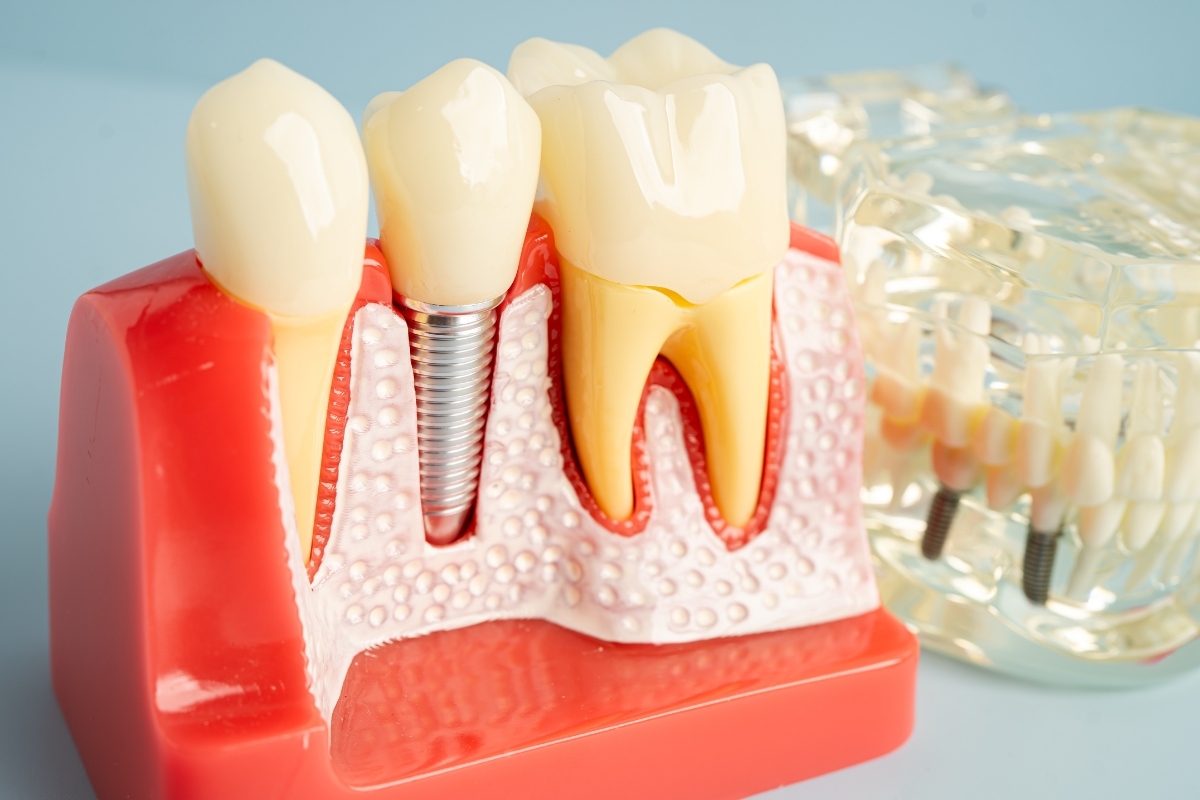
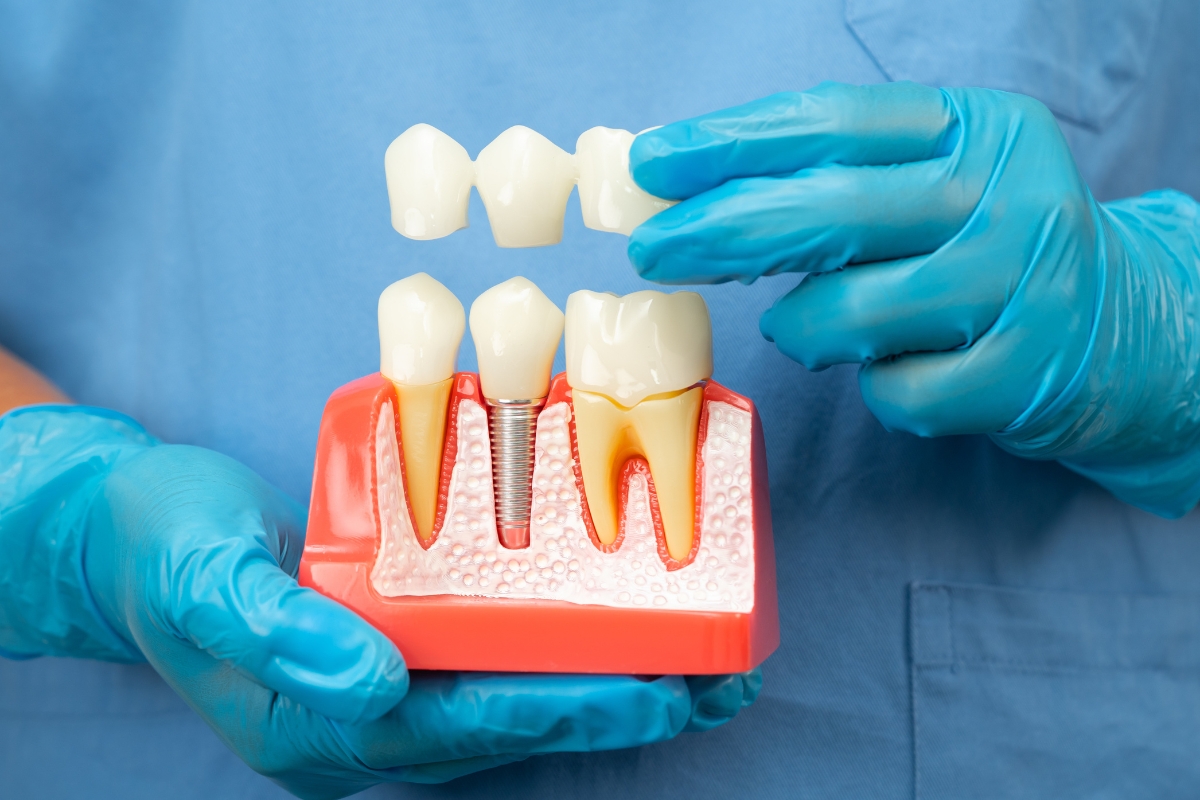
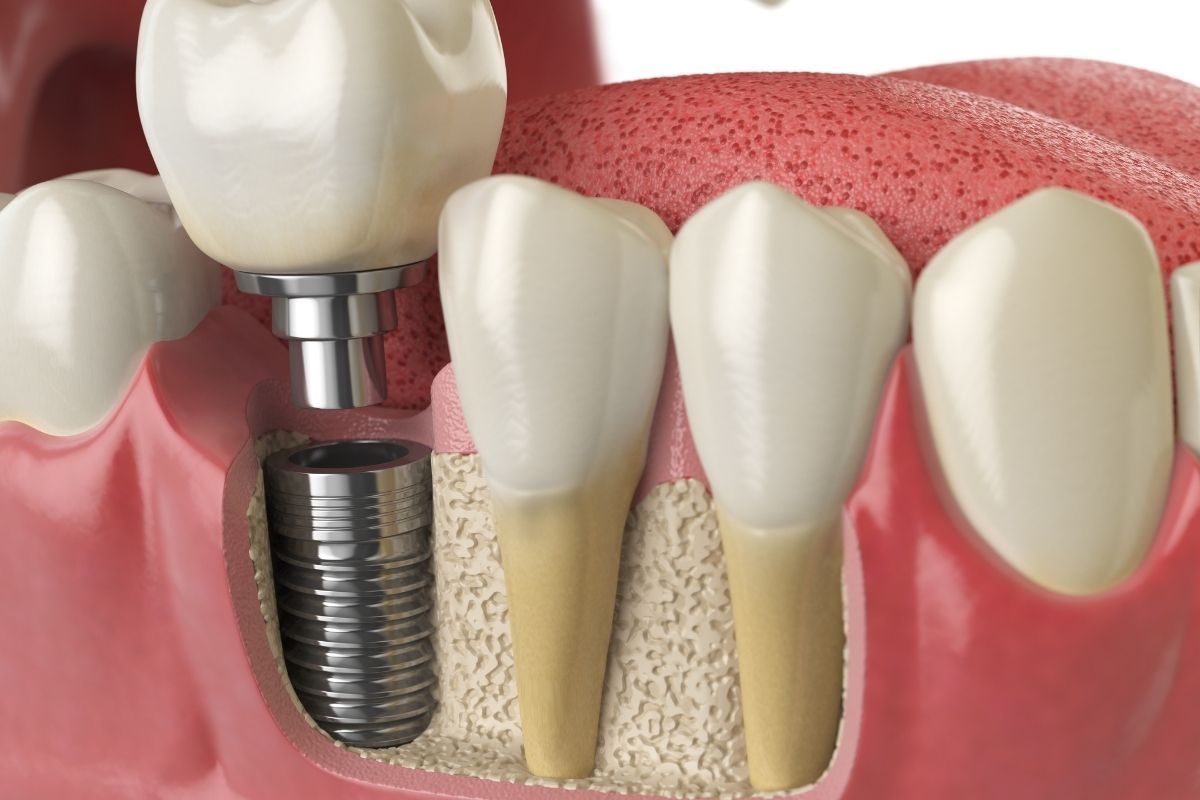
A dental implant is designed to replace the root portion of a missing tooth. Once the implant integrates with the surrounding bone and receives its restoration, it can provide stable support for the replacement tooth.
However, implant candidacy depends on your individual oral and general health.
For patients who have waited several years, our first question is not simply, “How long has the tooth been gone?” We also want to know how much bone remains, whether neighboring teeth have shifted, whether gum tissues are healthy, and how the planned restoration will fit into the bite.
This comprehensive approach helps us determine whether an implant can be placed directly or whether another procedure should come first.
What If You Have Already Waited a Long Time?
Do not let the length of time stop you from seeking an evaluation.
Even if a tooth has been missing for several years, modern implant planning may provide options. Depending on your situation, treatment could involve implant placement alone or preparatory care such as bone grafting.
The first step is a clinical and radiographic assessment.
We can evaluate the missing-tooth site, explain what has changed, and discuss the sequence of care. That gives you much more useful information than assuming treatment will be too difficult because you waited.
Why Careful Implant Planning Matters
A long-lasting implant result begins with appropriate diagnosis and planning.
The Dental Specialty Center of Falcon provides specialty services that include periodontics, oral and maxillofacial surgery, endodontics, bone grafting, and implant placement. Having multiple dental disciplines involved can be particularly valuable when tooth replacement requires management of bone, gums, surgery, or other complex dental concerns.
Our goal is not simply to place an implant into available bone. We consider the surrounding structures and how the final restoration needs to function.
That level of planning can be especially important when the tooth has been missing for an extended period, and the area has already undergone changes.
When Should You Schedule an Implant Evaluation?
Consider arranging an evaluation if:
- You recently lost or had a tooth extracted.
- A tooth has been missing for months or years.
- You notice teeth moving around an old gap.
- You consistently chew on one side.
- You were previously told you lacked enough bone for an implant.
- You want a fixed replacement option.
- You want to know whether bone grafting is necessary.
You do not have to wait until the missing tooth creates another noticeable problem. An evaluation can tell you what is happening now and help you make an informed decision about your next step.
Protect Your Smile Before More Changes Occur
A missing tooth may seem like an isolated problem, but your mouth continues to adapt after tooth loss. Bone can remodel, surrounding teeth may move, chewing patterns can change, and implant treatment may become more involved if the site changes substantially.
The encouraging news is that waiting does not automatically mean you have lost your opportunity for dental implants.
At The Dental Specialty Center of Falcon, we evaluate the entire implant site and develop treatment plans based on each patient’s bone, gums, bite, anatomy, and restorative needs. Whether your tooth was lost recently or has been missing for years, we can help you understand the steps needed to restore the space with a stable, long-lasting solution.
Schedule an implant consultation at our Falcon dental office and take the next step toward restoring your missing tooth, bite, and smile.
FAQs About Waiting to Replace a Missing Tooth
1. How long can I safely wait to replace a missing tooth?
There is no universal safe waiting period because bone, bite, and tooth movement differ among patients. An early dental evaluation can identify changes and help you understand the most appropriate timing for tooth replacement.
2. What happens to the bone when a tooth is missing?
After tooth loss, the jawbone around the former root begins remodeling because the tooth is no longer present. Over time, bone volume can decrease, potentially affecting the planning and placement of a future dental implant.
3. Can my other teeth move if I do not replace a missing tooth?
Yes, neighboring teeth can gradually tilt or drift toward an open space, although the amount varies between patients. The opposing tooth may also change position, potentially altering bite contacts and complicating later tooth replacement treatment.
4. Can I still get an implant years after losing a tooth?
Possibly. Many patients can receive implants years after tooth loss. Your dentist must first evaluate available bone, gum health, tooth positions, bite, medical history, and anatomy to determine whether preparatory treatment is needed beforehand.
5. Will I need a bone graft if I wait too long?
Not necessarily. Bone grafting depends on how much suitable bone remains at the implant site. Imaging and a clinical examination allow your dental team to determine whether sufficient bone exists or grafting may be recommended.
6. Is it necessary to replace a missing back tooth?
A missing back tooth may not be visible when smiling, but it contributes to chewing and your overall bite. Replacing it may restore function and help reduce unwanted changes involving neighboring teeth and the edentulous area.
7. What is the first step if I want a dental implant?
Start with an implant consultation. Your dental team can examine your gums, bone, bite, medical history, and missing-tooth site, then use appropriate imaging to determine whether implant placement is suitable and explain the treatment sequence.