You’ve done your research, had your consultation, and made the decision to move forward with dental implants. It’s a big step and for most people, it’s one of the best decisions they ever make for their smile. But somewhere between clicking through patient reviews and falling asleep the night before your procedure, a question creeps in: what if my body doesn’t accept it?
It’s a fair concern, and you’re not alone in asking it. So let’s talk about it honestly. Can dental implants be rejected? Technically, true “rejection”, the way your immune system might reject an organ transplant is extremely rare with dental implants, because titanium is biocompatible and doesn’t typically trigger an immune response. But implants can fail, and understanding why, what to watch for, and how to prevent it is exactly what this guide is here for.
Why Do Dental Implants Fail?
Implant failure and implant rejection aren’t quite the same thing, but the outcome can feel similar, the implant becomes unstable, painful, or simply doesn’t integrate the way it should. Here are the most common reasons why dental implants fail.
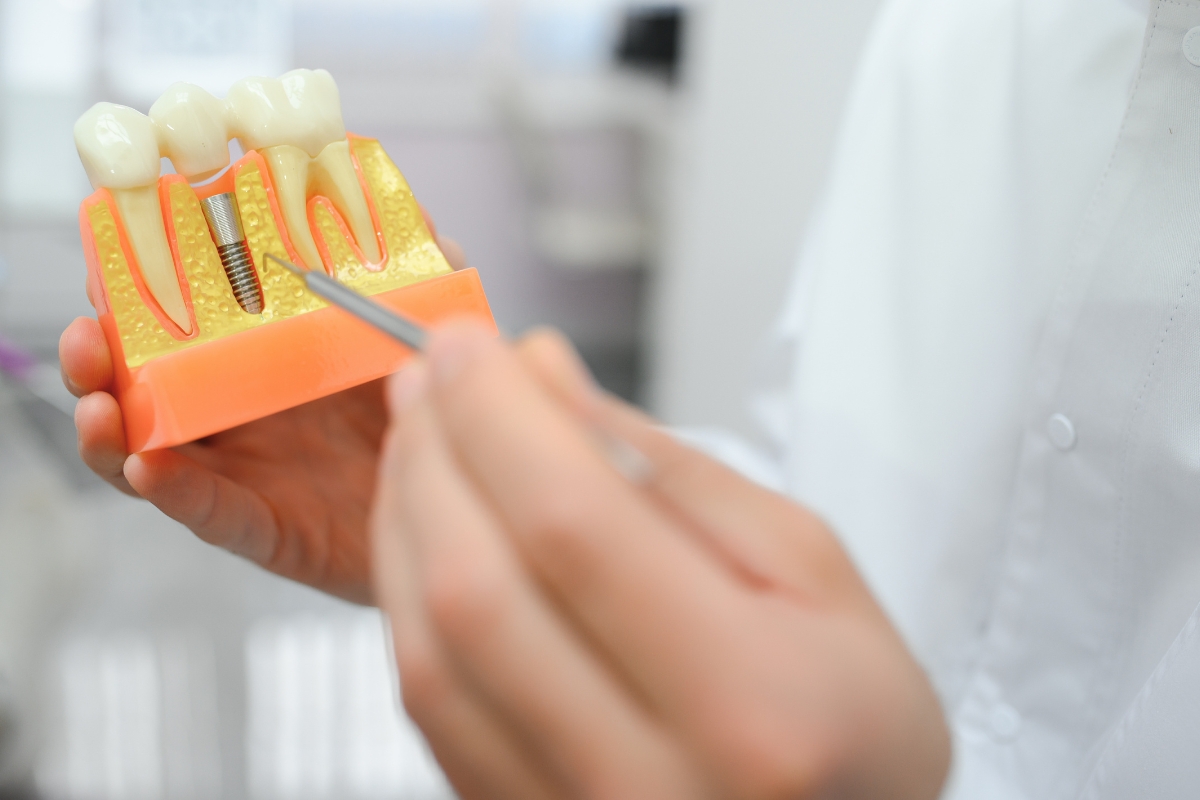
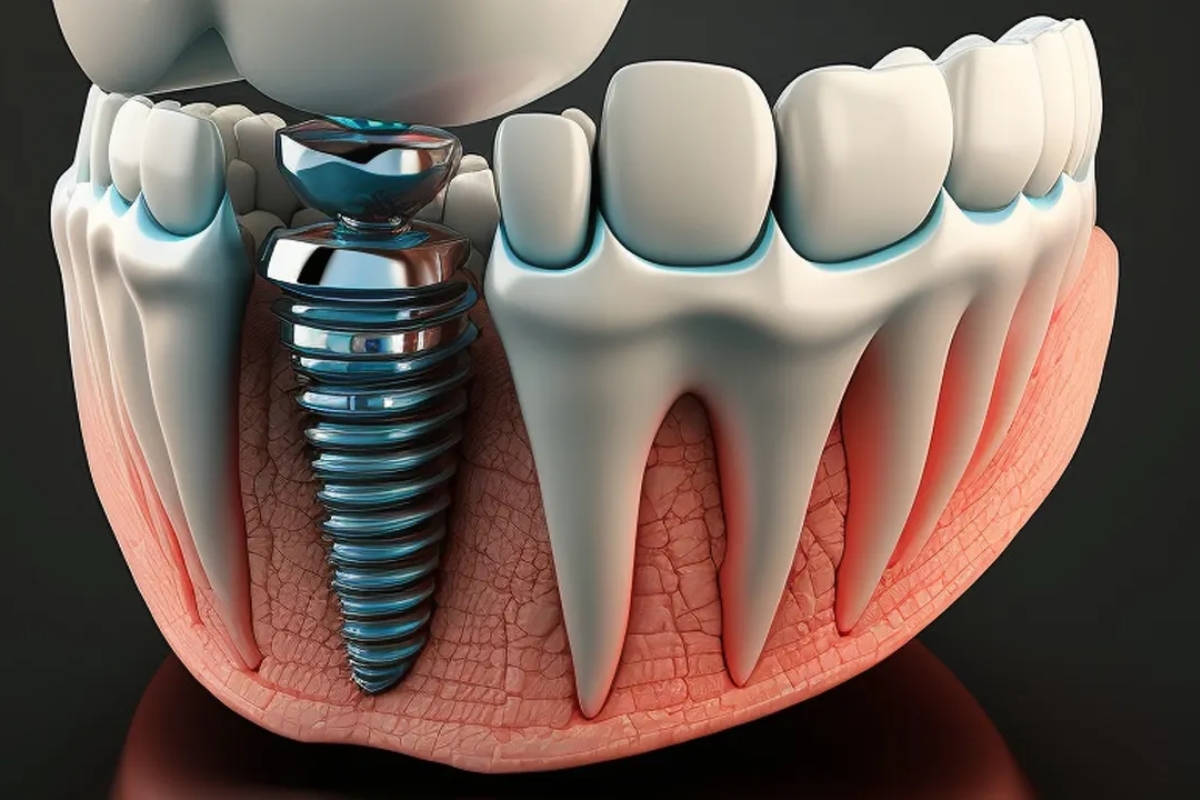
Poor osseointegration: It is the leading cause. This is the process by which the implant fuses with your jawbone. If this process is disrupted by infection, poor bone density, or insufficient healing time, the implant won’t anchor properly and may eventually loosen.
Infection (peri-implantitis): It is another major factor. Bacteria that accumulate around the implant site can cause inflammation of the surrounding gum and bone tissue, similar to gum disease around natural teeth. Left untreated, it can destroy the bone support the implant depends on.
Other contributing causes include:
- Smoking, which narrows blood vessels and undermines the body’s natural ability to recover after surgery
- Uncontrolled diabetes slows the body’s ability to recover from surgery
- Insufficient bone volume at the implant site prior to placement
- Certain medications that affect bone density or immune response
- Poor oral hygiene in the weeks and months following the procedure
- Teeth grinding (bruxism) puts excessive force on the implant before it has fully integrated
Understanding your personal risk factors before the procedure is part of why a thorough consultation matters so much.
What Happens If a Dental Implant Fails?
Knowing what to watch for can make all the difference in catching a problem early when it’s still very manageable. If a dental implant fails, here’s what you might experience:
- Persistent pain or discomfort at the implant site that doesn’t improve after the initial healing period
- Swelling, redness, or bleeding around the gum tissue near the implant
- The implant feeling loose or moveable, this should never happen with a properly integrated implant
- Difficulty chewing that develops after a period of normal function
- Receding gum tissue around the implant, exposing part of the post
- An unusual taste or lingering odor around the implant area that persists despite regular brushing and rinsing
Some mild soreness in the days immediately after surgery is completely normal. What you’re watching for is discomfort that persists or worsens beyond the expected healing window, or symptoms that appear months after the procedure seemed successful.
If you recognize one or more of these symptoms, scheduling an evaluation sooner rather than later gives your dentist the best chance to intervene effectively. Early intervention gives your dentist the best chance of addressing the issue before it requires more significant treatment.
Can Dental Implants Be Rejected Due to Allergies?
In rare cases, yes. Some individuals have a sensitivity or allergy to titanium or the alloy components used in certain implants. If you have a known metal sensitivity, it’s important to discuss this with your provider before treatment begins. Zirconia implants, a metal-free alternative are available and may be a suitable option for patients with titanium sensitivities.
Patients exploring their options should always share their full dental and medical history before proceeding. If you’re considering implant dentistry in Falcon, a comprehensive evaluation ensures the right implant material and placement approach is chosen from the very start, giving you the best possible foundation for long-term success.
How Dentists Fix Failed Implants
If your implant is showing signs of failure, all is not necessarily lost. How dentists fix failed implants depends on the underlying cause and how early the problem is caught.
For early-stage infection or peri-implantitis, treatment may involve deep cleaning of the implant site, antibiotics, and more frequent follow-up appointments to monitor healing. Caught early, many cases respond well to non-surgical management.
If the implant has lost significant bone support, bone grafting may be recommended to rebuild the area before a new implant is placed. This adds time to the process but restores the foundation needed for lasting results.
If the implant is fully failed or loose, it will need to be removed. After healing, your dentist can evaluate whether re-implantation is appropriate once the site has adequately recovered.
The key takeaway: failure doesn’t always mean the end of your implant journey. With the right intervention, many patients go on to have a second, successful implant placed.
How to Reduce Your Risk of Implant Failure
Prevention is always the better path, and most risk factors for implant failure are very manageable with the right preparation and habits.
Before your procedure:
- Be transparent with your dentist about your full medical history, including all medications
- If you smoke, work toward quitting or at minimum, stop for several weeks before and after surgery
- Ensure any existing gum disease is treated before implant placement begins
After your procedure:
- Follow all post-operative care instructions closely, especially in the first few weeks;
- Keep the implant area clean by brushing carefully with a soft-bristled toothbrush and making flossing part of your everyday routine;
- Attend every follow-up appointment, this is when your dentist checks integration progress;
- If you grind your teeth at night, ask about a custom night guard to protect the implant during healing;
Dental implants have a success rate of over 95% for good reason they work exceptionally well when the right groundwork is laid and the patient stays engaged in their recovery.
Have Questions About Dental Implants? The Dental Specialty Center of Falcon Can Help
Whether you’re considering dental implants for the first time or you’re noticing something that doesn’t feel quite right with an existing one, you deserve honest answers and expert care from a team that puts your health first.
At The Dental Specialty Center of Falcon, our experienced team takes a thorough, personalized approach to every implant case, carefully evaluating your unique health profile, walking you through all your options, and supporting you at every stage of treatment and recovery.
Don’t let uncertainty hold you back from the smile you deserve. Schedule your consultation with The Dental Specialty Center of Falcon today and take the first step toward lasting, confident results.
Frequently Asked Questions
Can your body reject a dental implant like an organ transplant?
True immune-based rejection is extremely rare because titanium is biocompatible and well-tolerated by the body. However, implants can fail due to infection, poor healing, or bone loss, which may feel similar to rejection but involve different causes and treatments.
Why do dental implants fail years after placement?
Late implant failure is most often caused by peri-implantitis, a progressive infection of the gum and bone surrounding the implant. It can also result from teeth grinding, gradual bone loss, or significant changes in a patient’s overall health.
What happens if a dental implant fails?
Not always, early-stage failure may be managed with antibiotics and improved oral hygiene without removal. If the implant has become fully unstable, removal may be necessary before the site can be reassessed for a replacement implant.
How do dentists fix a failed dental implant?
Treatment options range from deep cleaning and antibiotic therapy for infection to bone grafting and implant replacement for more advanced cases. Your dentist will recommend the right approach after a thorough clinical evaluation.
Is dental implant failure painful?
It can be. Persistent pain, pressure, or sensitivity at the implant site, especially if it develops after initial healing seems complete, is a key warning sign that should be evaluated by your dentist promptly.