Dental implants are widely considered one of the most reliable solutions for replacing missing teeth, with success rates above 95%. Beyond improving your appearance, they help maintain bone structure and allow you to eat and speak comfortably again.
Nevertheless, many patients with missing teeth in Falcon feel unsure about moving forward, mainly because they’re worried about pain. The good news is that modern implant dentistry focuses heavily on comfort. With advanced technology, careful planning, and options like sedation, most patients find the experience much easier than they originally expected.
This guide will walk you through how implants work, what the procedure involves, how recovery feels, and what you can do to stay comfortable every step of the way.
Key Takeaways
- The implant procedure itself is performed under anesthesia, so you won’t feel pain during treatment.
- Some soreness afterward is normal but usually mild and short-lived.
- Healing time depends on individual factors like overall health and treatment complexity.
- Choosing a proficient dental implant specialist in Falcon can make a significant difference in your comfort and results.
How Painful Are Dental Implants Really?
Is pain your main concern? You’re not alone. However, most patients are surprised by how manageable the process is.
During the procedure, the treatment area is completely numbed, so you won’t feel pain while the implant is placed. If you’re anxious, sedation options can help you stay relaxed throughout your visit.
Rather than pain, patients typically describe:
- A feeling of pressure
- Minor vibrations or movement
- An experience similar to other routine dental procedures
Afterward, it’s normal to have some tenderness as your body begins to heal, but this is usually mild and temporary.
In simple terms, dental implant treatment is far more comfortable than most people expect.
Dental Implants Procedure: Step-by-Step Breakdown
Knowing what happens during the procedure can make the experience feel much less intimidating.
1. Initial Consultation
Your dentist evaluates your oral health using exams and imaging to determine if implants are right for you.
2. Implant Placement
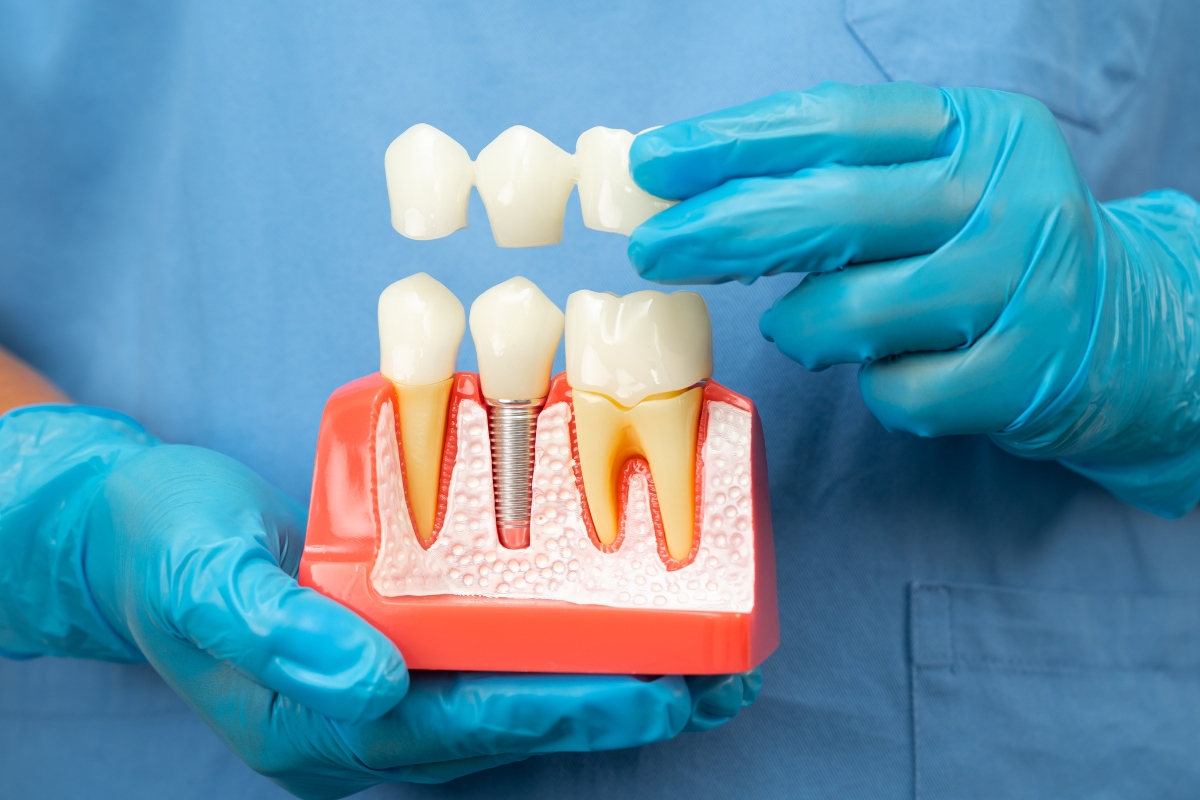
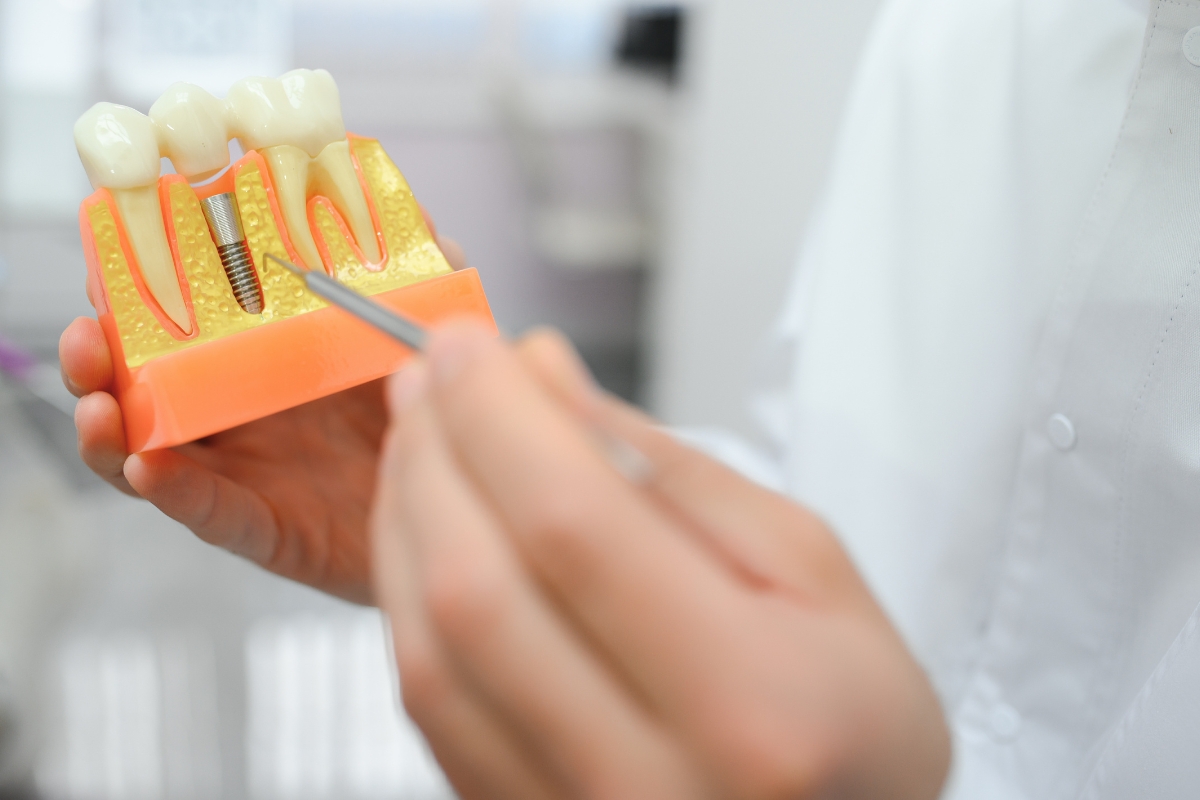
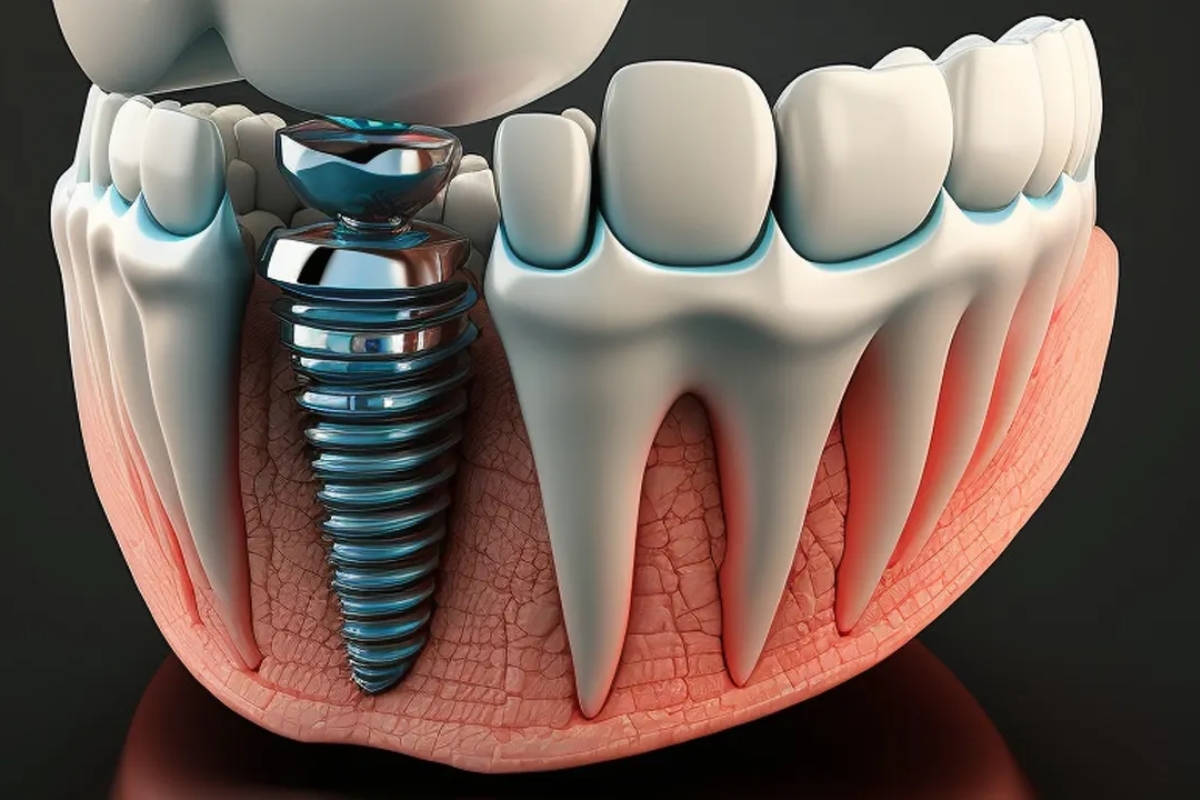
A small titanium post is placed into the jawbone to act as a replacement root.
3. Healing Phase
Over the next few months, the implant naturally bonds with your bone, creating a stable foundation.
4. Final Restoration
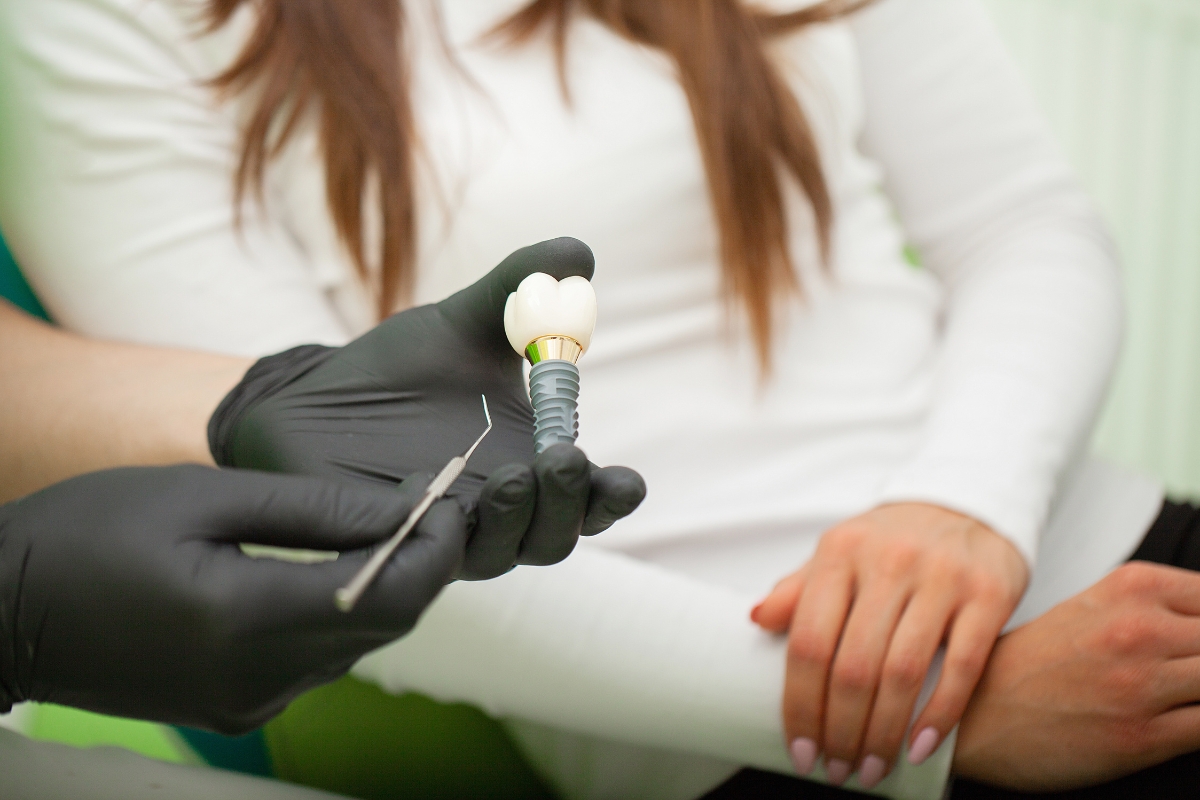
A custom crown is attached to complete your smile and restore function.
In some cases, additional treatments like bone grafting may be recommended to ensure long-term success.
Dental Implant Healing Stages
Understanding the recovery process helps set realistic expectations.
First Few Days
You may notice mild swelling, soreness, or slight bleeding. These symptoms are temporary and expected.
First Week
Discomfort begins to ease, and swelling reduces significantly.
Second Week
Most patients feel back to normal and resume daily routines.
Following Months
The artificial tooth root continues to integrate with the jawbone. This stage happens quietly in the background and doesn’t cause pain.
Many people are able to return to work within a day or two after the procedure.
Best Ways to Manage Discomfort After the Implant Treatment
Recovery is typically straightforward with a few simple steps:
Pain Relief Medication
Over-the-counter options are often enough to control discomfort and reduce inflammation.
Cold Compress
Applying ice packs during the first couple of days minimizes swelling.
Soft Foods
Choose easy-to-eat options like smoothies, yogurt, and mashed foods while your mouth heals.
Rest
Taking it easy and avoiding strenuous activity supports faster recovery.
Gentle Oral Hygiene
Keeping your mouth clean while being careful around the surgical area prevents complications.
Factors that Influence Your Comfort Level During the Treatment
Every patient’s experience is slightly different. Factors that can affect recovery include:
- The number of implants placed
- Whether additional procedures were needed
- Your overall health and healing ability
- Lifestyle habits such as smoking
- The skill and experience of your dental provider
Are Implants More Painful Than Tooth Extractions?
In many cases, patients report that implants are actually easier to recover from than extractions.
This is because implant placement is carefully planned and performed with minimal disruption to surrounding tissue. Additionally, there’s usually no infection-related discomfort beforehand, which is often present with extractions.
When Should You Reach Out to Your Dentist?
Some discomfort is part of the healing process, but certain symptoms should not be ignored. Contact your dental practitioner if you experience:
- Pain that worsens instead of improving
- Ongoing bleeding
- Fever or unusual swelling
- Signs of infection
Prompt care helps prevent complications and keeps your recovery on track.
Restore Your Smile with Expert Dental Implants
It’s completely normal to feel hesitant about dental procedures, especially when pain is a concern. However, implants are far more comfortable than most people expect, and the recovery is usually quick and manageable.
At Dental Specialty Center of Falcon, patient comfort is a top priority. Every step of the implant process is designed to be as smooth and stress-free as possible, using modern techniques and personalized care. Our team is here to guide you through every stage, from consultation to recovery, with a focus on comfort and long-term results. Whether you need a single implant or a more complex restoration, the goal is always the same: helping you regain your smile comfortably and confidently. Schedule a consultation to learn more about this long-lasting tooth-replacement treatment. Hurry, book your appointment now!
FAQs
How painful are dental implants after surgery?
Most people experience mild soreness for a few days, which gradually improves.
What part of the process is the most uncomfortable?
The slight tenderness after the procedure is typically the most noticeable, not the surgery itself.
How can I reduce discomfort after implants?
Medication, rest, cold compresses, and a soft diet can make recovery much easier.
How long does healing take?
Initial healing takes about one to two weeks, while full integration with the bone can take several months.