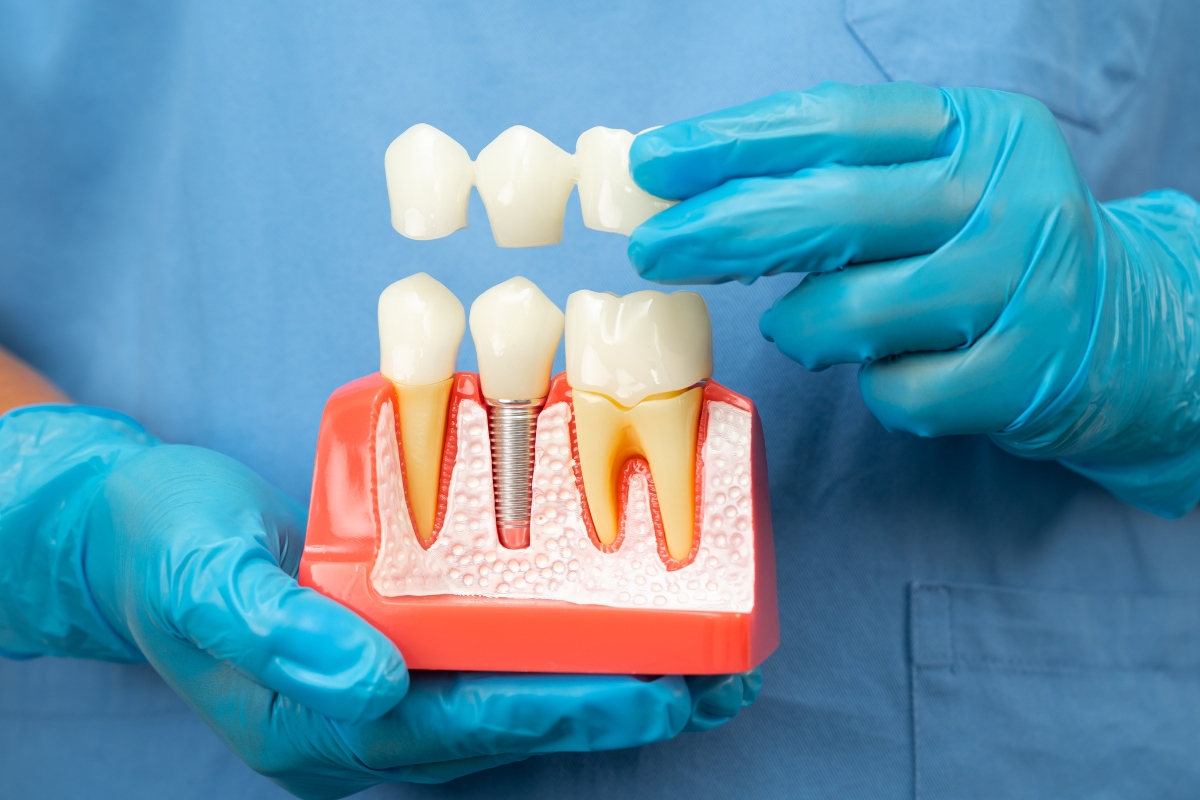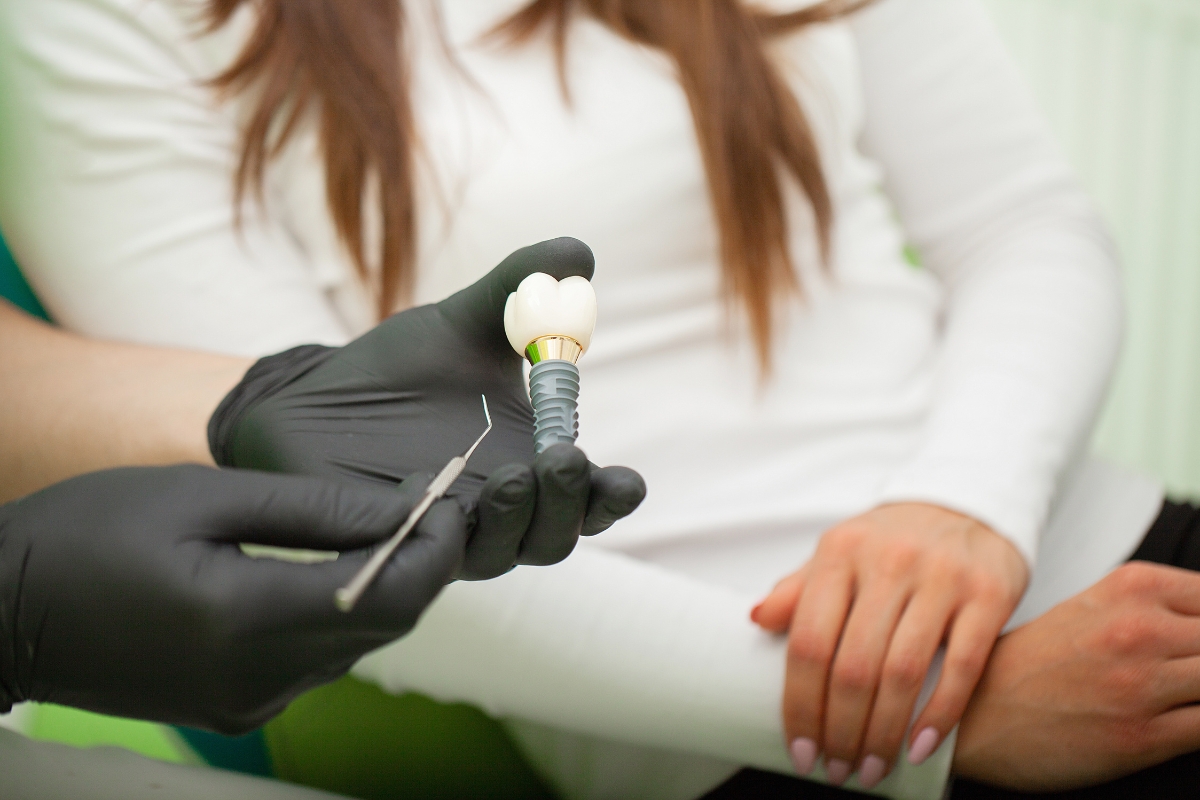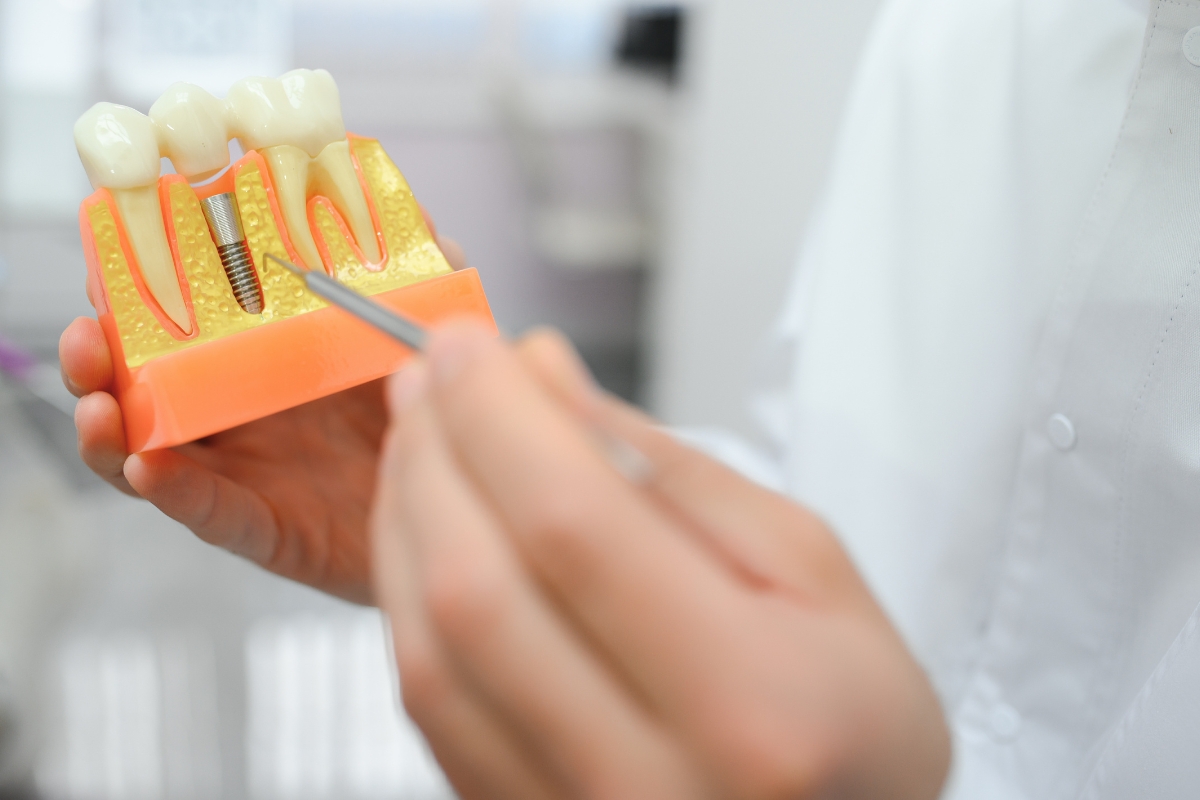
Dental implants are built to last, making them one of the most reliable solutions for replacing missing teeth. However, they aren’t something you can simply forget about after placement. Just like natural teeth, implants require routine maintenance to keep them clean, stable, and working correctly.
Many Falcon residents believe implants don’t require much maintenance, but your everyday habits have a direct impact on how long they last. Proper oral hygiene and routine checkups are essential to keeping your implant healthy.
In this guide, you’ll discover simple ways to care for your implanted tooth, along with common mistakes to avoid so your smile stays strong for years to come.
Key Takeaways
- With consistent care, dental implants can last for decades
- Implants won’t decay, but the surrounding gums are still vulnerable to infection
- Daily brushing and cleaning between teeth are essential
- Certain habits can shorten the lifespan of your implant
- Early attention to small issues helps prevent bigger problems
Why Dental Implant Care Is Important
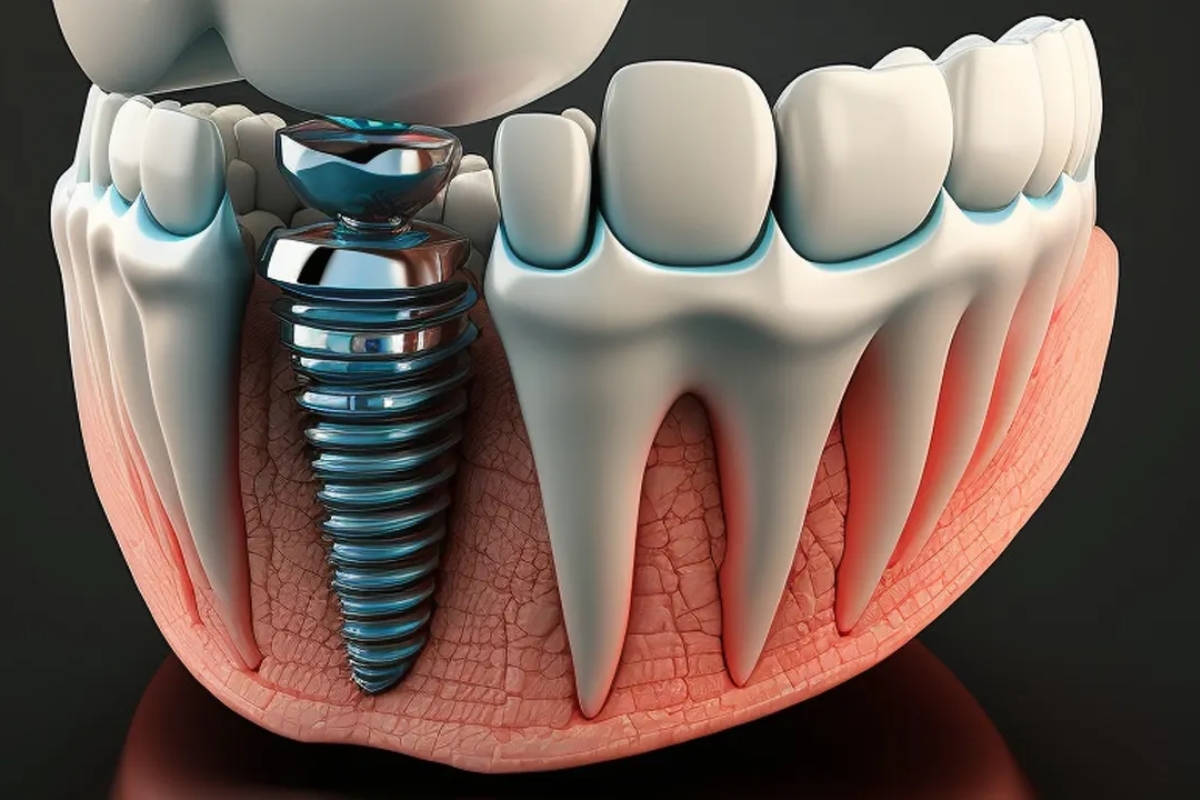
While implants are made from durable materials, they rely heavily on the health of the surrounding gum tissue and bone.
Unlike natural teeth, implants don’t have the same biological support system, which means infections can develop more quickly if plaque is allowed to build up. One of the most common concerns is peri-implantitis, a condition that leads to inflammation and bone loss if not addressed early.
Think of your implant as a structure supported by its surroundings. If the gums and bone weaken, the stability of the implant can be affected.
The encouraging part is that most complications can be avoided with consistent care, especially when guided by professionals offering Dental implants Treatment in Falcon.
Daily Habits for Healthy Dental Implants
Maintaining your implants doesn’t require complicated steps, just a reliable routine. Small daily actions can go a long way in preserving both your implant and overall oral health.
Brush Twice a Day
Brushing regularly removes plaque and debris that collects throughout the day.
- Use a soft-bristle brush to protect your gums
- Choose a gentle toothpaste that won’t scratch the surface of the crown
- Take your time—about two minutes is ideal
- Pay extra attention to where the implant meets the gum
A careful brushing routine keeps your mouth clean and reduces the risk of irritation.
Clean Between Teeth and Implants
Spaces between teeth are where bacteria tend to hide, so this step is essential.
- Use floss designed for dental work or implants
- A water flosser can help flush out debris more effectively
- Interdental brushes may be useful for certain areas
Cleaning between teeth helps prevent buildup that brushing alone can’t remove.
Add a Mouthwash to Your Routine
A mouth rinse can help reduce bacteria and support overall oral hygiene.
- Choose a gentle, alcohol-free option
- Use it once or twice daily
- Focus on rinsing around the implant area
This simple step helps keep your mouth fresh and balanced.
Be Mindful of What You Eat
Your food choices can affect how well your implants hold up over time.
Try to limit:
- Very hard foods that can damage the crown
- Sticky items that cling to surfaces
- Sugary drinks that encourage bacterial growth
Instead, focus on a balanced diet that supports oral health, including foods rich in calcium and protein.
Protect Your Teeth While You Sleep
Grinding or clenching your teeth at night can put extra pressure on your implant.
You might notice:
- Jaw soreness
- Morning headaches
- Increased tooth sensitivity
If needed, your dentist may recommend a night guard to reduce strain and protect your teeth.
Keep Up With Regular Dental Visits
Even with great at-home care, professional checkups are still important.
- Visit your dentist every six months
- Get regular cleanings to remove buildup
- Have your implant checked for stability
Routine appointments help detect potential issues before they become serious.
Common Mistakes That Can Harm Dental Implants
Some everyday habits can negatively affect your implants without you realizing it.
- Skipping daily cleaning can lead to plaque buildup
- Using stiff brushes or harsh toothpaste may damage surfaces
- Smoking can slow healing and increase complications
- Chewing on hard objects can cause cracks or stress
- Ignoring discomfort or changes can delay necessary treatment
Avoiding these habits can extend the life of your implant.
Signs Your Implant May Need Attention
It’s important to stay aware of any changes in your mouth.
Watch for:
- Bleeding around the gums
- Swelling or redness
- Ongoing bad breath
- Pain while chewing
- A feeling that something isn’t stable
If you notice any of these, it’s best to have them checked sooner rather than later.
A Simple Daily Routine for Implant Care
Keeping your implants in good condition doesn’t take much time, just consistency.
Morning Routine
Start your day with a clean, fresh mouth:
- Brush thoroughly for about two minutes
- Gently clean around your gums and implant
- Rinse your mouth to remove lingering bacteria
- Choose foods that support your oral health
Evening Routine
Nighttime care is especially important because bacteria can build up while you sleep.
- Clean between your teeth using floss or a water flosser
- Brush carefully, covering all areas
- Use a mouth rinse for added protection
- Wear a night guard if recommended
Spending a few extra minutes at night can make a big difference in preventing future issues.
A Perfect Smile Restoration is Just a Step Away
At Dental Specialty Center of Falcon, we focus on helping patients maintain strong, healthy implants through personalized care and guidance.
If you’re considering dental implants in Falcon, the best place to start is to schedule your consultation with our experienced team—we’ll create a care plan designed to keep your smile healthy, stable, and built to last.
FAQs About Dental Implant Care
How should I care for my dental implants daily?
Brush regularly, clean between teeth, and use a gentle mouth rinse to maintain good oral hygiene.
Can implants develop problems over time?
Yes, the surrounding gums can become inflamed if proper care isn’t maintained.
How long do implants typically last?
With good care, they can remain functional for many years, often decades.
Do I need special tools for cleaning?
Not necessarily, but certain tools like water flossers can make cleaning easier.
Are there foods I should avoid?
Hard, sticky, and sugary foods are best limited to protect your implant.