Missing a tooth can affect much more than your smile. It can change how you eat, speak, and feel about your appearance. Dental implants have become one of the most reliable solutions for replacing missing teeth because they are designed to function like natural tooth roots. However, many patients are surprised to learn that successful implant treatment depends just as much on healing as it does on the procedure itself.
One of the biggest misconceptions about implants is that recovery is complete once the discomfort disappears. In reality, the most important healing occurs beneath the gums, where the jawbone gradually bonds with the implant. Understanding what happens during each phase of healing can help you feel more confident and better prepared for the journey ahead.
At The Dental Specialty Center of Falcon, Dr. Hank Cole regularly educates patients about the healing process before implant placement because informed patients tend to have smoother recoveries and better long-term outcomes. Whether you are preparing for dental implant treatment in Falcon or monitoring your progress after surgery, our goal is to help you understand exactly what to expect. If you have questions about the dental implant recovery timeline or want to learn whether implants are right for you, visit our dental office and schedule a personalized evaluation.
Why Does Implant Healing Take Time?
Dental implants require time to heal as they need to biologically fuse with the jawbone. This process creates the stability that allows implants to function like natural teeth.
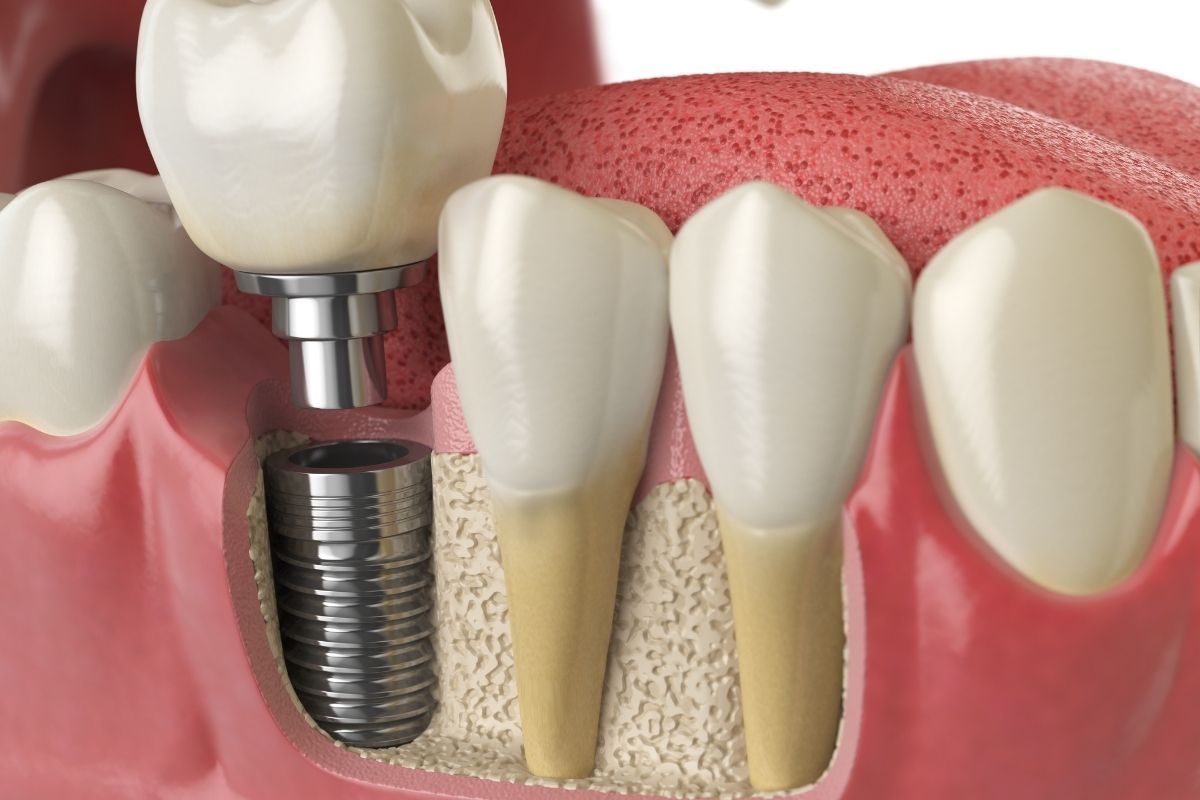
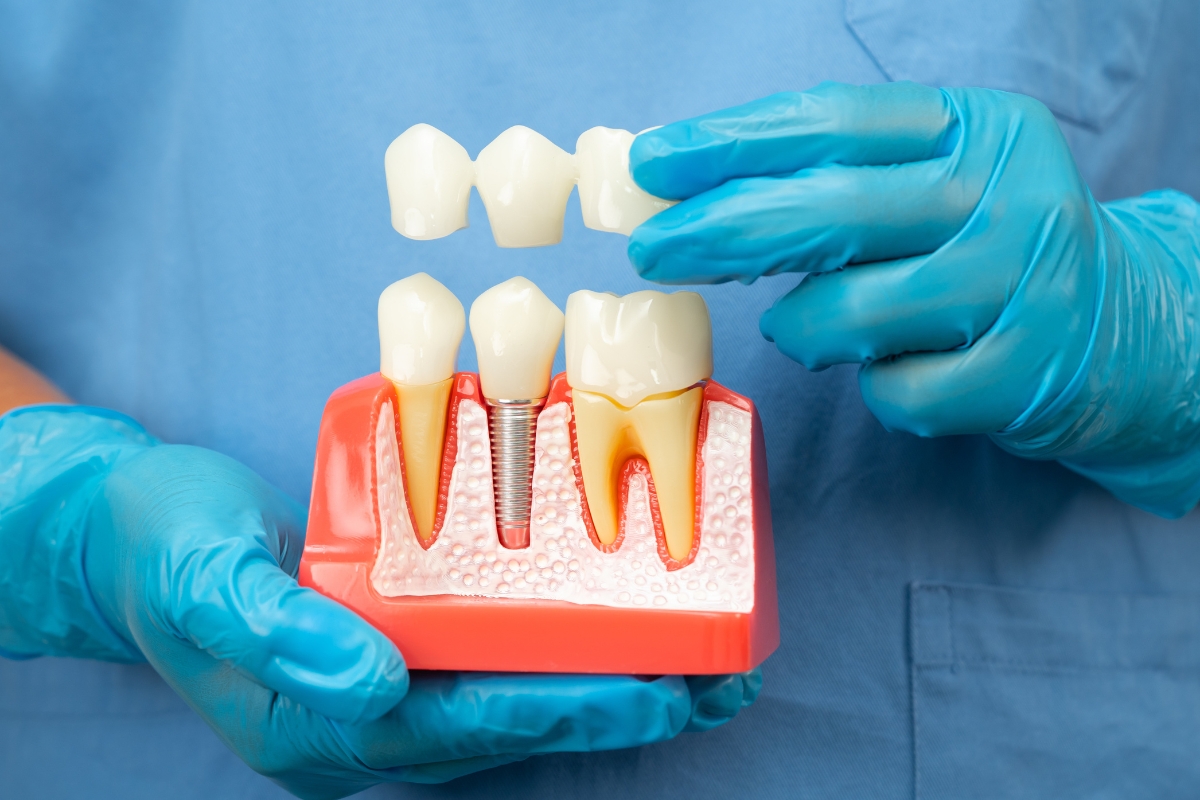
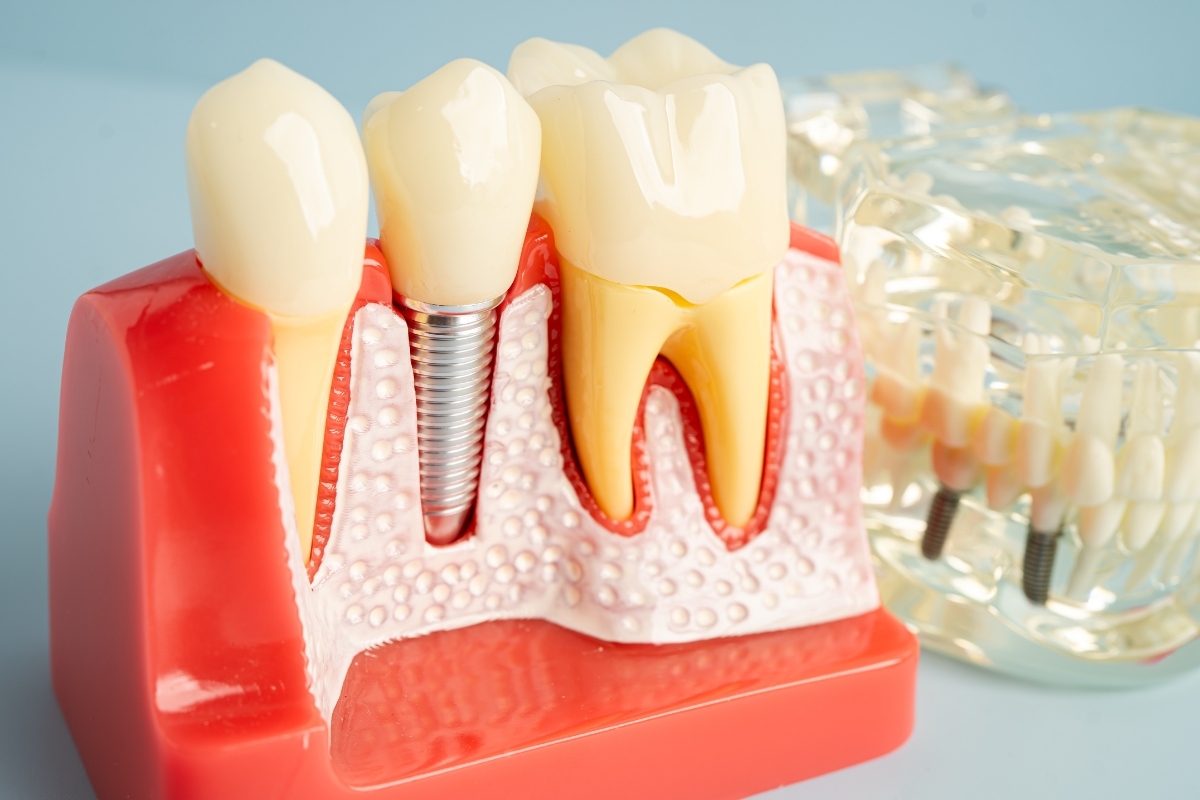
Unlike dentures or bridges that rest on top of the gums or rely on neighboring teeth, implants are placed directly into the jawbone. After placement, the body begins building new bone around the implant surface. This process, called osseointegration, is what makes implants exceptionally stable and durable.
Several factors can influence healing, including:
- Bone quality and density
- Overall health
- Smoking habits
- Oral hygiene practices
- Existing medical conditions
- Whether bone grafting was required
Understanding these factors helps explain why every patient’s recovery experience is slightly different.
What Happens During the First 72 Hours After Implant Surgery?
The first three days focus on protecting the surgical site and allowing the body to begin its natural healing response. Swelling, tenderness, and mild bleeding are common during this stage.
Immediately after surgery, your body forms a protective blood clot around the implant site. This clot acts as the foundation for new tissue development.
During this period, you may notice:
- Mild swelling
- Minor bleeding
- Tenderness around the gums
- Slight bruising
- Temporary chewing discomfort
Most swelling peaks between 48 and 72 hours, then gradually improves.
Recovery Tips for the First Few Days
- Apply cold compresses as directed
- Take prescribed medications
- Avoid smoking
- Stay hydrated
- Eat soft foods
- Avoid vigorous rinsing
Foods such as yogurt, applesauce, smoothies, mashed potatoes, and scrambled eggs are often well tolerated during this stage.
What Happens During the First Two Weeks?
The gums begin repairing themselves during the first two weeks. Most patients notice a significant improvement in comfort and appearance during this phase.
By the end of the first week, swelling and tenderness typically decrease. The surgical site begins to look healthier as soft tissues continue to close around the implant.
Signs of normal healing include:
- Reduced swelling
- Less tenderness
- Healthier gum appearance
- Improved ability to eat comfortably
Many local residents enjoy gathering at community events, exploring Falcon Regional Park, or dining at favorite local spots. During this early recovery phase, choosing softer menu options can help protect the surgical area while allowing healing to progress normally.
Why Might an Implant Feel Fine Before It Is Fully Healed?
Many patients assume healing is complete once discomfort disappears. However, bone integration continues long after the gums appear healed.
This is one of the most important concepts patients should understand.
Soft tissue generally heals faster than bone. While your gums may look healthy within a few weeks, the implant may still be undergoing critical integration beneath the surface.
This means:
- Healing is still occurring even when symptoms are gone
- Bone strength continues improving
- Excessive pressure should still be avoided
- Follow-up visits remain important
Patients who understand this stage are less likely to place unnecessary stress on a healing implant.
What Is Osseointegration and Why Is It Important?
Osseointegration is the process by which bone cells attach directly to the implant surface. This connection creates the stability that allows implants to function like natural tooth roots.
Without successful osseointegration, an implant cannot achieve long-term success.
During this stage, bone cells gradually:
- Grow around the implant
- Attach to the implant surface
- Strengthen the surrounding bone
- Create long-term support
This phase often takes several months and represents the most important part of the healing process.
What Is the Success Rate of the Implant Treatment?
Implants have one of the highest success rates in modern dentistry when placed appropriately and maintained properly. Long-term success depends on both surgical precision and patient care.
Several factors contribute to successful outcomes:
- Consistent oral hygiene
- Regular dental visits
- Healthy bone support
- Proper bite alignment
- Avoiding tobacco use
- Following recovery instructions
Patients exploring our advanced implant care options often appreciate learning that implants are designed to support both function and long-term oral health.
What Can Slow Down Healing?
Certain lifestyle habits and health conditions can interfere with the body’s ability to heal efficiently. Identifying these factors early helps improve outcomes.
Smoking
Smoking reduces blood flow to healing tissues and may increase the risk of implant complications.
Diabetes
Poorly controlled blood sugar levels can slow tissue repair and affect bone integration.
Poor Oral Hygiene
Bacteria around the implant site can lead to inflammation that interferes with recovery.
Bone Grafting Procedures
Patients requiring grafting may need additional healing time before the implant can fully integrate.
Understanding these risks allows patients to take proactive steps toward successful recovery.
How Can You Heal Faster After the Implant Surgery?
While healing follows a natural timeline, certain habits can help create the best possible environment for recovery. Consistency matters more than any single action.
To support healing after dental implant surgery:
- Brush carefully around the surgical site
- Follow dietary recommendations
- Stay hydrated
- Attend follow-up visits
- Get adequate sleep
- Avoid tobacco products
- Take medications as prescribed
Small daily decisions often make a significant difference throughout dental implant recovery.
How The Dental Specialty Center of Falcon Supports Your Recovery
Successful implant treatment extends far beyond the day of surgery. Ongoing monitoring helps ensure every stage of healing progresses properly.
At The Dental Specialty Center of Falcon, patients receive guidance throughout the entire recovery journey. From initial planning and implant placement to long-term maintenance, our team closely monitors healing and answers questions along the way. Whether you are replacing a single tooth or exploring comprehensive tooth replacement solutions, our focus remains on creating a stable foundation for long-term oral health.
Recover With Confidence and Protect Your Investment
Understanding the dental implant healing stages eliminates uncertainty and gives you realistic expectations for recovery. While visible healing often occurs within a few weeks, complete integration between the implant and jawbone requires patience, proper care, and professional monitoring.
Every patient’s anatomy, health history, and treatment plan are unique. The best way to understand your expected recovery is through a personalized evaluation that considers your specific needs and healing potential.
If you are considering the implant treatment or have questions about your dental implant recovery, visit our dental office to schedule a comprehensive diagnostic evaluation. Our team can assess your oral health, explain your expected healing timeline, and help you make informed decisions about your treatment.
Frequently Asked Questions
Can a dental implant fail during healing?
Most implants heal successfully, but complications can occur. Smoking, infection, inadequate bone support, or poor oral hygiene may interfere with successful integration.
How long does it take for a dental implant to fully heal?
Visible gum healing often occurs within a few weeks. Complete bone integration usually takes several months, depending on individual healing factors.
Why does my implant feel different from my natural teeth?
Dental implants do not contain nerves like natural teeth. However, the surrounding tissues still respond to pressure and healing changes.
Is swelling normal after dental implant surgery?
Yes, mild swelling is expected during the first few days. Most swelling peaks around day three before gradually improving.
How long should I sleep with my head elevated after surgery?
Many patients benefit from sleeping with their head elevated for the first few nights. This may help reduce swelling and improve comfort.
When can I return to normal eating habits?
Most patients gradually reintroduce regular foods as healing progresses. Your provider will recommend a timeline based on your recovery.
How do I know if my implant is healing properly?
Decreasing swelling, improved comfort, healthy gum tissue, and successful follow-up evaluations are all positive signs of normal healing.