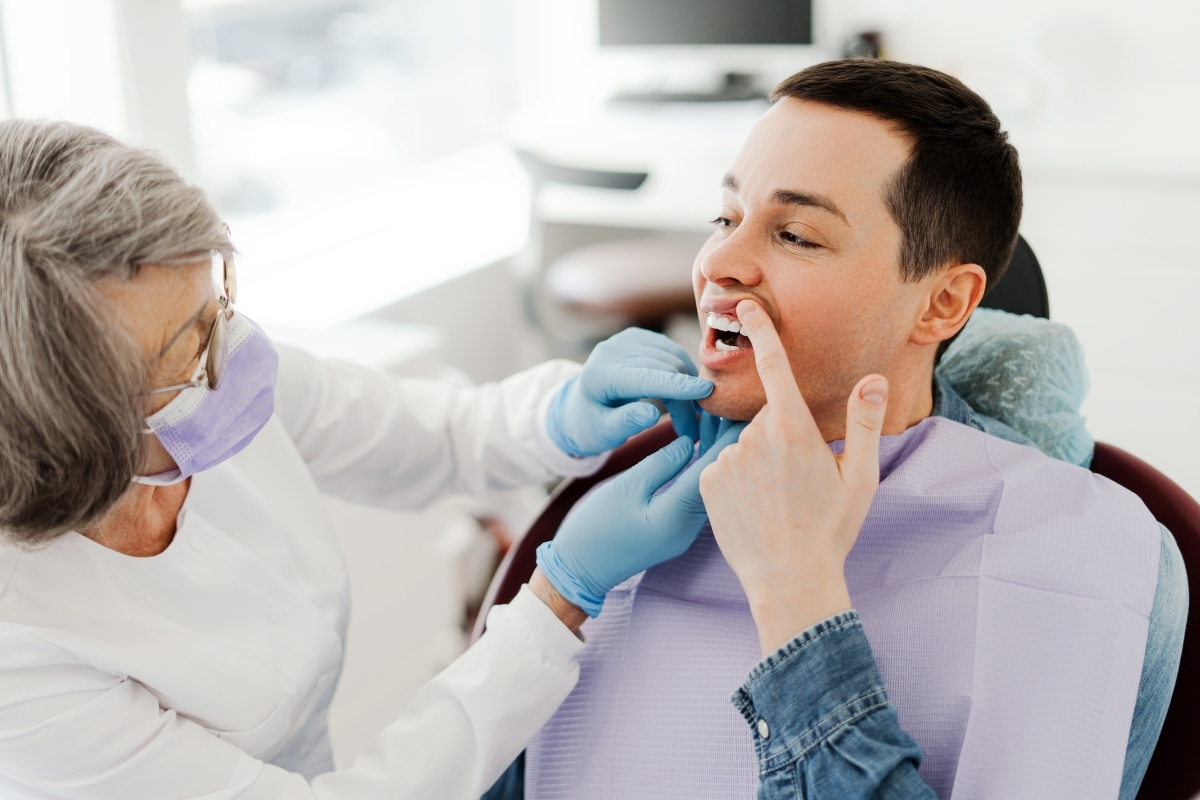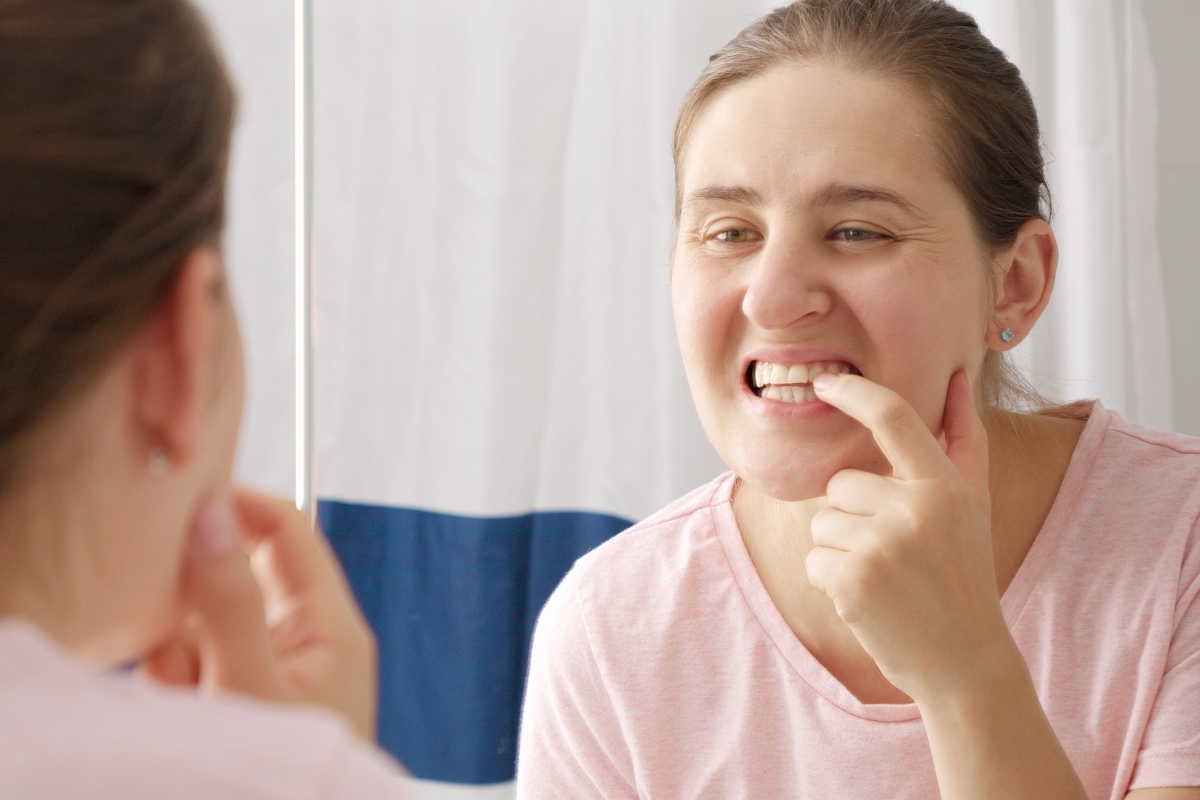
When the sun sets behind the foothills, many residents across our community look forward to a peaceful evening relaxing at home. However, for those dealing with underlying oral health issues, the evening hours can trigger a frustrating and painful phenomenon: a sudden, throbbing spike in dental discomfort.
Understanding the physiological changes that occur when you lie down is the first step toward reclaiming your night. At The Dental Specialty Center of Falcon, our dentists, Dr. Jonny Haller, Dr. Scott Whitney, and Dr. Hank Cole, work together to diagnose the root causes of severe nighttime oral discomfort and provide advanced specialty care. If a nagging ache or intense pressure is keeping you awake, we encourage you to visit our dental office today.
The Physiology of Nighttime Toothaches: Why the Throbbing Intensifies
Nighttime dental pain intensifies primarily because lying down flat increases blood pressure in your head, which exerts intense hydrostatic pressure on the sensitive nerves inside a compromised tooth. Additionally, the lack of cognitive distractions during quiet evening hours allows your brain to focus more acutely on pain signals.
When you are awake and upright, gravity helps pull blood away from your head, maintaining a balanced circulatory flow. However, the moment you lie down to sleep, this gravitational advantage disappears. Blood rushes toward your upper body and head, significantly increasing the fluid pressure within the vessels supplying your jaw. Inside a compromised tooth, where an inflamed nerve is already trapped within a hard, unyielding chamber of dentin and enamel, this extra fluid influx creates an intense, throbbing sensation. This circulatory shift is the primary physical explanation for why tooth pain is worse at night when you are trying to rest.
During the day, your mind is constantly occupied by work, family, and the general bustle of life. These external stimuli act as a natural volume control for pain, effectively distracting your nervous system. When you turn off the lights and the room goes quiet, those distractions vanish. With nothing else to focus on, your brain dials into the sensory inputs coming from your trigeminal nerve, making the underlying discomfort feel much more acute and overwhelming.
Common Specialty Causes Behind Nighttime Dental Discomfort
Nighttime toothaches are typically caused by deep bacterial decay invading the inner dental pulp, severe gum disease, or unconscious teeth grinding (bruxism). Identifying the specific type of pain helps our specialists determine whether you need endodontic treatment to save the tooth or periodontic therapy to resolve deep tissue inflammation.
Advanced Tooth Decay and Pulpitis
When a cavity penetrates past the outer protective enamel and enters the sensitive inner dentin, it approaches the dental pulp, the living tissue inside your tooth containing nerves and blood vessels. If bacteria infect this space, it triggers pulpitis (inflammation of the dental pulp).
As the pulp is enclosed in a rigid structure, the tissues cannot expand as they swell. When you lie down at night, the combination of internal inflammation and increased cranial blood pressure explains exactly why tooth pain is worse at night for patients dealing with deep decay.
Nocturnal Bruxism (Teeth Grinding)
Many individuals unconsciously clench their jaws or grind their teeth while asleep. This condition, known as nocturnal bruxism, places massive structural strain on the periodontal ligaments supporting your teeth and exerts immense pressure on the temporomandibular joints (TMJ).
If you wake up with a dull, radiating ache across your entire jaw or notice that your teeth feel unusually sore in the morning, nocturnal clenching is often the culprit. Over time, this habit can wear down enamel and expose the highly sensitive dentin layer underneath.
Hidden Cracks or Fractures
Microscopic fractures in a tooth can easily fly under the radar during normal daytime activities. However, as the jaw relaxes later in the evening, the microscopic segments of a cracked tooth can shift slightly, irritating the internal nerve tissue and causing sudden, sharp jolts of pain. This structural issue often triggers nighttime tooth pain that can escalate rapidly if left unexamined.
How Regional Environmental Factors Impact Your Teeth
Living in a high-altitude, semi-arid environment can accelerate dehydration during sleep, reducing natural saliva flow and leaving sensitive oral tissues vulnerable to irritation. Additionally, rapid shifts in barometric pressure can alter pressure equilibrium within the sinuses, directly aggravating the root nerves of your upper teeth.
The dry air characteristic of our high plains region can accelerate fluid loss while you sleep, especially if you tend to breathe through your mouth at night. A lack of hydration reduces saliva production, leading to dry mouth (xerostomia). As saliva acts as your mouth’s natural defense mechanism, neutralizing acids and washing away debris, a dry oral environment allows bacterial acids to irritate sensitive tissues and exposed root surfaces more aggressively.
Furthermore, our proximity to the mountains means we experience frequent shifts in atmospheric pressure. For individuals with underlying sinus congestion or pockets of chronic inflammation beneath a dental root, these subtle pressure changes can alter the equilibrium within the maxillary sinus cavities. Because the roots of your upper teeth sit directly beneath the sinus floors, sinus pressure can mimic or worsen an existing dental ache as the evening cools down.
Proactive Steps: How to Relieve Tooth Pain at Night
To temporarily alleviate dental pain before bed, keep your head elevated with multiple pillows to reduce localized pressure in the jaw. Additionally, applying a cold compress and performing a thorough, gentle cleaning can help soothe inflamed tissues until you can see a specialist.
Keep Your Head Elevated
Prop up your head with extra pillows while resting. Keeping your head elevated above your heart prevents excessive blood pooling in your facial vessels, which directly minimizes the throbbing pressure inside the affected tooth structure.
Practice Meticulous Evening Oral Hygiene
Before heading to bed, gently brush with a soft-bristled toothbrush and floss thoroughly around the problematic area. Removing trapped food debris reduces the localized bacterial activity that can cause inflammatory irritation throughout the night.
Apply a Cold Compress
Wrap an ice pack in a clean cloth and apply it to the outside of your cheek for 15 minutes on and 15 minutes off. This helps constrict local blood vessels, which reduces localized swelling and temporarily numbs the nerve pathways transmitting pain signals. Learning how to relieve tooth pain at night can help you get through the night comfortably, but it is not a permanent cure.
Recognizing a True Emergency Tooth Pain Scenario
Dental pain accompanied by facial swelling, a high fever, or difficulty swallowing constitutes a medical emergency that requires immediate professional intervention. These symptoms indicate a spreading bacterial infection, such as an abscess, which cannot be resolved with at-home remedies.
Not all dental discomfort can wait for a standard weekday appointment. It is essential to understand the dividing line between a condition that can be managed overnight and a true clinical crisis that demands immediate attention.
If your nighttime tooth pain is accompanied by visible swelling in your gums, cheek, or lymph nodes under your jaw, you may be facing an emergency tooth pain scenario. An undressed dental abscess represents a serious infection that requires prompt specialist intervention to prevent the infection from moving into deeper facial spaces.
Why Specialty Intervention is the Only Permanent Solution
Attempting to ignore a recurring nighttime ache in the hope that it will resolve on its own is a highly risky strategy. While temporary home remedies can alter your perception of pain for a few hours, they cannot eliminate the bacterial pathways or structural defects causing the underlying issue.
If you are experiencing persistent discomfort, finding an experienced endodontist or periodontist by searching for a specialist or dentist near me is the most reliable way to secure a permanent solution. Modern diagnostic technology, such as 3D CBCT imaging, allows our team to view the microscopic canals and structural integrity of your teeth with exceptional precision.
Whether your condition requires advanced root canal therapy to save an infected tooth, periodontal treatment to restore damaged supporting bone, or a precise surgical intervention, professional care targets the structural source of the problem. This clear clinical approach is the only reliable way to achieve lasting comfort and protect your long-term health.
Schedule Your Diagnostic Evaluation Today
If you are tired of losing sleep to recurring discomfort and want to discover exactly what is causing your symptoms, our specialized team is here to help. At The Dental Specialty Center of Falcon, we combine clinical expertise in endodontics, periodontics, and oral surgery with a patient-first approach to help you maintain a healthy, pain-free smile.
We invite you to take the first step toward lasting oral health by arranging a comprehensive dental visit in Falcon. Our specialists will perform a detailed structural evaluation, utilize advanced digital diagnostics, and craft a personalized treatment plan tailored to your unique anatomy. Contact our supportive team today to schedule your diagnostic visit.
Frequently Asked Questions
Why does my tooth only hurt when I lie down to go to sleep?
Lying flat changes your body’s blood circulation, causing more blood to flow to your head. This increases pressure on the sensitive nerves inside an inflamed or damaged tooth, triggering a throbbing ache.
Can a sinus infection cause severe nighttime tooth pain?
Yes, because the roots of your upper teeth sit directly beneath your maxillary sinuses. When sinus pressure builds up at night, it can press down on these dental nerves, mimicking a true toothache.
What should I do if my nighttime tooth pain suddenly stops entirely?
A sudden loss of pain usually means the nerve inside the tooth has died from an advancing infection. The bacteria are still active, however, and will continue damaging surrounding bone without professional treatment.
How does a dry mouth during the night make dental pain feel worse?
A lack of saliva allows natural oral acids and bacteria to accumulate without being neutralized. This environment irritates exposed root surfaces and inflamed gum tissues, increasing your overall discomfort.
Is throbbing tooth pain at night considered a dental emergency?
If the throbbing pain is accompanied by swelling in your face or jaw, a fever, or difficulty swallowing, it indicates an advanced infection that requires immediate emergency care.
Can clenching my jaw at night cause pain in multiple teeth?
Yes, nocturnal bruxism puts intense, repetitive pressure on your jaw joints and periodontal ligaments. This structural strain often leaves you with a widespread, dull ache across your teeth by morning.
How do digital X-rays help diagnose the cause of mysterious nighttime toothaches?
Advanced digital imaging allows specialists to see deep between teeth and beneath the gumline. This helps identify hidden fractures, bone loss, or internal infections that are invisible during a standard visual exam.