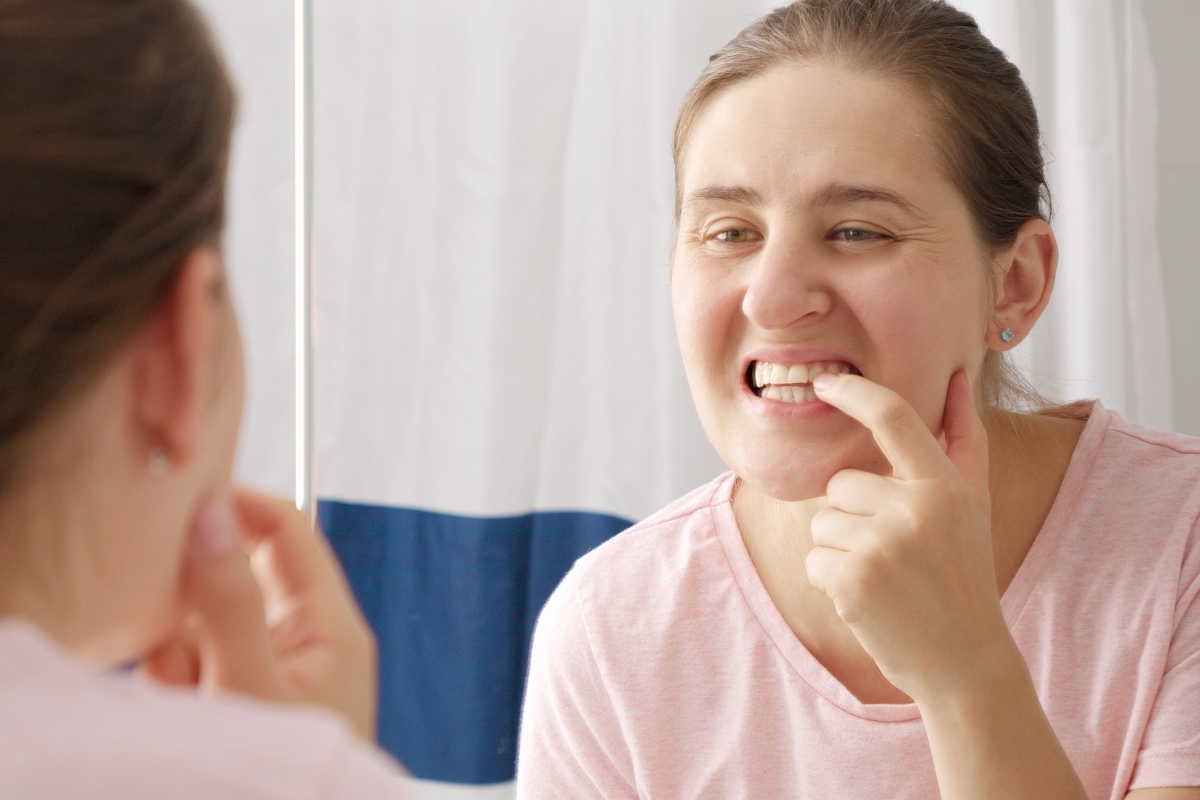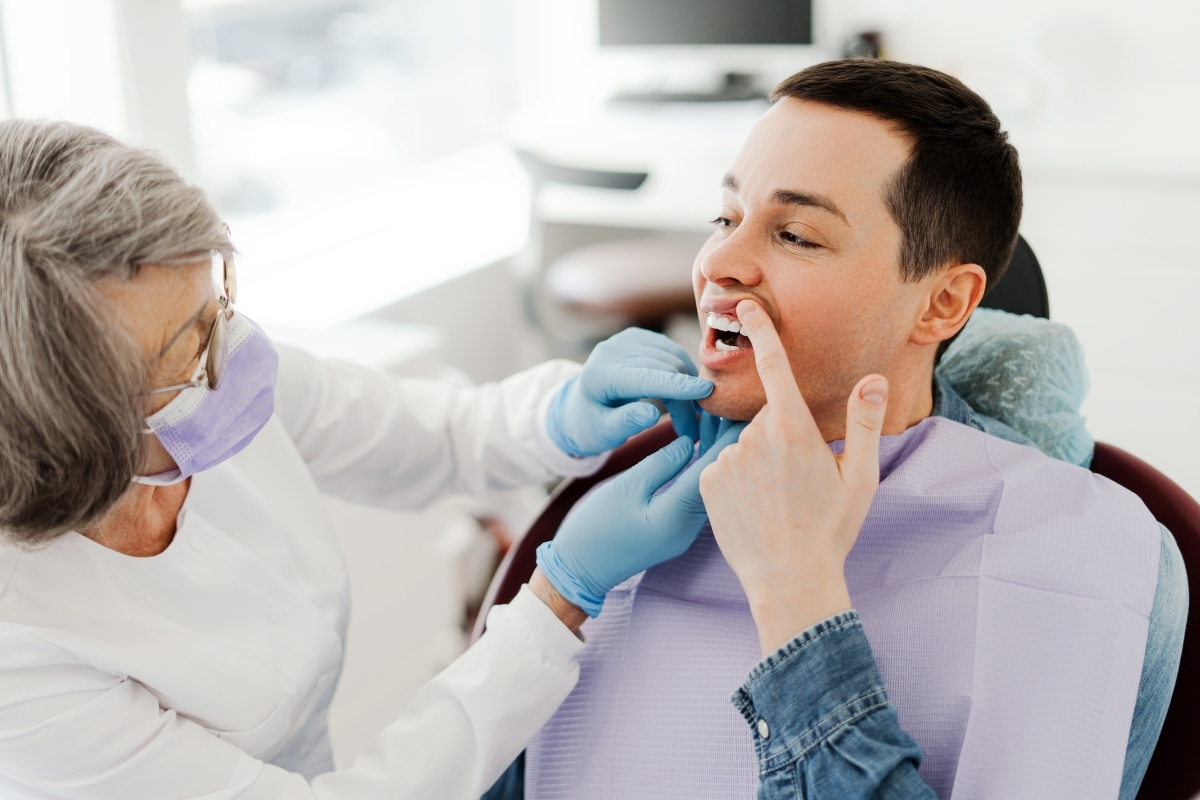
Dental pain is one of the most persistent and uncomfortable experiences you can face, yet pinpointing its exact cause isn’t always straightforward. Two of the most common causes of localized dental distress are cavities and cracked teeth. While both conditions can start with subtle sensitivity, they involve completely different structural issues within the tooth and require distinct clinical interventions.
Understanding what is happening inside your mouth is the first step toward getting relief and preserving your natural teeth. At The Dental Specialty Center, Dr. Jonny Haller, Dr. Hank Cole, and Dr. Scott Whitney focus on advanced diagnostic techniques and specialized treatments to identify the precise source of your discomfort and restore your oral health.
Below, we break down the physiological differences between a cracked tooth and a cavity, outline their unique symptoms, explain how specialists diagnose them, and detail the distinct care pathways available to restore your smile.
Understanding the Basics: Structures and Pathologies
To understand why a cracked tooth behaves differently than a cavity, it helps to examine basic tooth anatomy.
A natural tooth consists of three main layers:
- Enamel: The hard, outer protective shell composed primarily of minerals.
- Dentin: The softer, porous layer beneath the enamel containing microscopic tubes leading directly to the nerve.
- Pulp: The innermost chamber housing blood vessels, connective tissues, and sensitive nerve fibers.
What Is a Cavity?
A cavity (dental caries) is a structural deficit caused by bacterial decay. When oral bacteria feed on sugars from food, they produce acidic byproducts that progressively demineralize enamel. Over time, this erosion forms a hole or pit in the tooth structure. Cavities are static decay processes that gradually advance from the surface inward toward the pulp.
What Is a Cracked Tooth?
A cracked tooth is a mechanical fracture within the tooth’s structure. Unlike a cavity, which is caused by bacterial erosion, a fracture is typically the result of physical stress, such as chronic teeth grinding (bruxism), sudden trauma, biting down on hard objects, or structural weakness around large, aged fillings. A crack creates dynamic movement within the tooth structure, causing the fractured sections to shift slightly under pressure.
The Nature of Cavity Pain
Cavity pain is typically progressive. In its early stages, a cavity inside the enamel causes no symptoms at all. Once decay breaches the enamel and enters the dentin, you may feel lingering sensitivity to sugary foods, ice cream, or hot beverages. As the cavity expands toward the nerve center, the discomfort transitions into a persistent, dull ache or constant throbbing that doesn’t fade quickly after the stimulus is removed.
The Nature of Cracked Tooth Pain
Cracked tooth pain is notoriously erratic. The classic hallmark of a tooth fracture is sharp tooth pain when biting down on food, or more specifically, the sudden burst of sharp pain right as you release your bite.
When you bite down, pressure forces the crack open, irritating the underlying dentin and pulp. When you open your mouth, the crack snaps shut, causing a rapid hydrostatic shift in the microscopic fluids of the dentin tubules. This sudden movement triggers sharp nerve irritation. If you experience erratic toothache when biting crisp or chewy foods, a fracture is often the primary suspect.
Causes and Common Risk Factors
Identifying the underlying risk factors helps prevent future damage and gives context to your current symptoms.
Primary Risk Factors for Cavities
- Inadequate Plaque Removal: Infrequent brushing or flossing allows bacterial biofilm to rest against tooth enamel.
- Dietary Factors: Frequent consumption of sugary drinks, sticky carbohydrates, or acidic juices.
- Dry Mouth (Xerostomia): Reduced salivary flow deprives teeth of natural buffer minerals that neutralize plaque acids.
- Exposed Roots: Receding gums expose root dentin, which decays significantly faster than enamel.
Primary Risk Factors for Cracked Teeth
- Chewing High-Impact Foods: Frequently chewing ice, hard candies, unpopped popcorn kernels, or hard nuts.
- Bruxism and Clenching: Nighttime jaw grinding applies hundreds of pounds of excessive force per square inch across enamel planes.
- Large, Legacy Fillings: Old metal fillings can act as wedges inside teeth over decades, expanding and contracting with temperature shifts until the surrounding natural cusp fractures.
- Age: Teeth naturally endure micro-fatigue over decades; fractures are particularly common in patients over 50.
How Dentists Diagnose the Issue
Because a cracked tooth can be nearly invisible, often hiding underneath gum lines or inside internal tooth structures, diagnosing it requires a specialized clinical approach compared to evaluating a standard cavity.
Diagnosing Cavities
- Visual and Exploratory Inspection: Dentists check for discoloration, structural pits, and softening of enamel using precise dental instruments.
- Digital Radiographs (X-rays): Standard bitewing X-rays clearly highlight shadows where mineral density has been lost due to bacterial decay.
Diagnosing Fractures
- Transillumination: Passing high-intensity fiber-optic light through the tooth structure reveals dark line disruptions where light cannot cross a fracture plane.
- Bite Stick Testing: Having you bite down on a specialized plastic instrument (like a Tooth Slooth) one cusp at a time helps pinpoint the exact location of tooth pain when biting.
- Staining Solutions: Applying diagnostic dyes highlights fine stress lines across enamel.
- 3D CBCT Imaging: Cone Beam Computed Tomography provides three-dimensional, high-resolution views of the root and surrounding bone to check for deep vertical root fractures.
Treatment Options: Restoring Your Tooth
Once an accurate diagnosis is established, targeted restorative care is essential to eliminate pain and stop further structural damage.
Treating Cavities
- Composite Dental Fillings: For mild-to-moderate decay, the dentist removes decayed structure and bonds a tooth-colored resin material into the void.
- Inlays & Onlays: When decay is too extensive for a standard filling but doesn’t require a full crown, custom porcelain restorations replace the damaged tooth cusps.
- Root Canal Treatment: If decay penetrates deep into the inner pulp, root canal therapy is performed to clean out infected nerve tissue, sanitize the internal canal network, and seal the chamber, preserving your natural root structure.
Treating Cracked Teeth
- Full-Coverage Dental Crowns: Unlike cavities, a cracked tooth needs external structural support to prevent the fracture line from spreading. A high-strength ceramic or zirconia crown encases the entire visible tooth, holding the cracked sections together and absorbing bite forces.
- Root Canal Procedure Combined with a Crown: If the fracture extends deep into the dentin and reaches the pulp, the tissue becomes inflamed and painful. Root canal treatment removes the traumatized pulp tissue before a crown is placed to stabilize the exterior.
- Extraction: If a fracture line extends vertically down through the root underneath the gumline (a vertical root fracture), the tooth cannot be saved and must be extracted to protect the surrounding jawbone. It is then replaced with a durable dental implant.
When to Seek Professional Care in Falcon & Colorado Springs
Delaying care for either condition increases the risk of severe complications. A minor cavity can turn into an emergency root canal infection, and a small superficial enamel crack can split the tooth completely in two.
If you live in Falcon, Colorado Springs, or surrounding El Paso County communities, paying close attention to localized dental symptoms is vital. High-altitude environments and seasonal weather shifts in the Pikes Peak region can sometimes heighten tooth sensitivity. Furthermore, active lifestyle habits, such as mountain biking, high-impact sports, or high-stress schedules that contribute to jaw-clenching, increase the risk of dental fractures.
If you notice sharp tooth pain when biting, persistent aching, or sensitivity when enjoying hot or cold drinks, scheduling a thorough specialty evaluation immediately protects your natural smile from irreversible damage.
Frequently Asked Questions (FAQs)
How can I tell if my tooth pain is from a crack or a cavity?
Cavities usually cause constant aches or sweet sensitivity. Cracked teeth typically produce sharp, momentary pain specifically when biting down or releasing pressure on hard foods. Professional diagnostic testing confirms the exact cause.
Will a cracked tooth show up on a standard dental X-ray?
Not always. Standard 2D X-rays often miss thin, vertical cracks running parallel to the film. Specialists use high-intensity transillumination, bite force testing, and 3D CBCT imaging to accurately detect hidden tooth fractures.
Can a cavity cause a tooth to crack?
Yes. Deep cavities eat away at internal enamel and dentin support, hollow out the tooth, and create structural weak points. Unaddressed bacterial decay significantly increases the risk of a tooth cracking under normal chewing pressure.
Does a cracked tooth always require a root canal?
No. If the fracture is confined to the outer enamel and dentin without irritating the pulp nerve, a full-coverage crown is sufficient. If the crack reaches the pulp, root canal therapy is necessary.
Can a cracked tooth heal on its own over time?
No, human teeth cannot naturally regenerate enamel or heal structural cracks. Unlike bones, tooth enamel lacks living cellular tissue to repair fractures, so professional restorative treatment is required to prevent deeper splitting.
What happens if I ignore a minor tooth crack?
Ignoring a cracked tooth allows bite forces to drive the fracture line deeper into the root. Over time, this exposes pulp tissues to bacteria, causing severe infection, bone loss, and eventual loss of the tooth.
How do dentists treat a cavity that reaches the tooth nerve?
When bacterial decay penetrates the nerve space, specialists perform root canal to remove infected pulp tissue. The interior canals are disinfected, sealed, and reinforced with a protective crown to fully restore tooth function.