Blog Summary:
This blog explains how dentists plan the placement of dental implants to ensure long-term success. You’ll learn why proper planning matters, how single-tooth and multiple-tooth replacements differ, what tests and scans are used, how bone and gum health affect placement, and what patients should expect before surgery. The blog also shares helpful facts many patients don’t know and highlights expert implant care options in Falcon, CO.
If you are missing a tooth or several teeth, you may already know how much it can affect your daily life. Simple things like eating comfortably, speaking clearly, or smiling with confidence can become challenging. Many patients in Falcon, CO, lose teeth due to decay, injury, gum disease, or past dental problems, and they often start searching for a solution that feels permanent and natural.
Dental implants are one of the most trusted tooth replacement options available today. But what many patients don’t realize is that a successful dental implant starts long before the surgery itself. The most important step is careful planning. Where the implant is placed, how deep it goes, and how it lines up with your bite all play a major role in how well it works and how long it lasts.
In growing communities like Falcon, where families, working professionals, and retirees all depend on strong, healthy smiles, proper implant planning helps ensure that the replacement tooth feels comfortable, looks natural, and supports long-term oral health. Whether you need a single-tooth replacement or multiple teeth replaced, understanding how dentists plan implant placement can help you feel more confident, informed, and prepared to take the next step.
Ready to Take the Next Step? Schedule Your Consultation Today!

Thanks for taking the time to learn more about the careful planning that goes into the placement of dental implants! We hope this guide has given you a clearer picture of what to expect and why proper planning is so important for long-term success. At The Dental Specialty Center, Dr. Jonny Haller, Dr. Hank Cole, and Dr. Scott Whitney are passionate about helping patients regain confidence, comfort, and a natural-looking smile.
Your consultation is always personalized, and our team will walk you through every step of the process—from advanced 3D imaging to creating a treatment plan tailored just for you. So why wait? Let’s work together to restore your smile and get you enjoying life comfortably and confidently again! Schedule an appointment today.
Why Planning Is So Important for Dental Implants
Dental implants are placed into the jawbone, where they act like natural tooth roots. If an implant is not planned properly, it can lead to problems such as pain, poor bite alignment, or implant failure.
Careful planning helps to:
- Place the implant in the safest position
- Make sure the jawbone is strong enough
- Protect nearby teeth and nerves
- Create a natural-looking final result
- Improve long-term success and comfort
According to U.S. public health dental sources, dental implants have high success rates often over 95% when properly planned and placed by trained dental professionals.
Single-Tooth vs Multiple-Tooth Replacement: What’s the Difference?
Dental implant planning depends largely on how many teeth are missing and where they are located in the mouth. Replacing a single tooth requires a different approach than replacing several teeth because each situation affects the jawbone, bite alignment, and overall oral function in unique ways. Understanding these differences helps patients see why personalized planning is essential for long-term implant success.
Single-Tooth Replacement
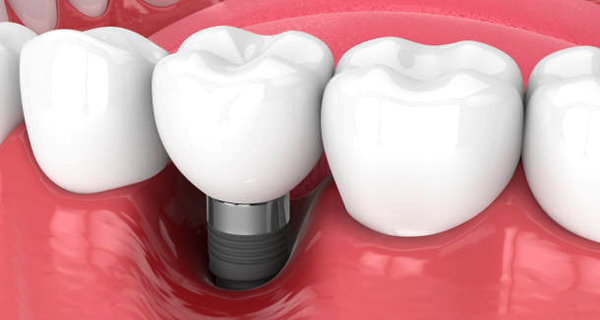
Single-tooth replacement is recommended when one tooth is missing and the surrounding teeth are healthy. A dental implant replaces the missing tooth root and supports a custom-made crown that is designed to look and function like a natural tooth. One of the biggest advantages of this approach is that it does not rely on or damage nearby teeth, unlike traditional bridges.
Proper planning ensures the implant is placed at the correct angle and depth so it blends naturally with the surrounding teeth. According to the U.S. National Institute of Dental and Craniofacial Research (NIDCR), jawbone loss can begin soon after a tooth is lost because the bone is no longer stimulated. A well-planned implant helps reduce bone loss, keeps nearby teeth from shifting, and supports long-term jaw health while restoring comfort when chewing and speaking.
Multiple-Tooth Replacement
When two or more teeth are missing, implant planning becomes more complex. Dentists must consider how to restore strength and balance across the jaw while protecting the remaining teeth and bone. Multiple-tooth replacement may involve placing individual implants, using implants to support a bridge, or restoring a full section of teeth with fewer implants, depending on the patient’s needs.
Careful planning is critical in these cases because chewing pressure must be evenly distributed. Without proper planning, excess force on certain areas of the jaw can lead to discomfort or future implant problems. A well-designed treatment plan helps improve chewing efficiency, speech clarity, and facial support while reducing the risk of further bone loss.
The staff is friendly and helpful. They have a great doctor that helps your needs. They are very helpful to my wife that needs dental implant. They made sure in every process, they are on top of it. – K Doenges
See our care through the eyes of our patients by reading our Google reviews.
What Dentists Look at During Implant Planning
Before placing dental implants, dentists carefully evaluate several important factors to ensure the treatment is safe, effective, and long-lasting. This planning phase plays a major role in patient comfort and overall success.
Jawbone Health
Jawbone strength is one of the most important requirements for dental implants. The bone must be dense and thick enough to hold the implant securely. If bone loss has occurred, a bone graft may be recommended before implant placement to rebuild the area and create a stable foundation. This step improves implant stability and helps protect the long-term health of the jaw.
Gum Health
Healthy gums are essential for supporting dental implants. Dentists examine the gums for signs of inflammation or infection before moving forward with treatment. Treating gum issues early lowers the risk of complications and helps ensure proper healing after implant placement.
Tooth Position and Bite Alignment
Implants must be placed so they align correctly with the patient’s bite. Dentists carefully plan the position of each implant to ensure balanced chewing and natural movement of the jaw. Proper alignment helps prevent jaw strain, uneven wear on teeth, and long-term discomfort.
Nerves and Sinuses
Advanced imaging technology is used to locate nerves in the lower jaw and sinus cavities in the upper jaw. This planning step helps dentists avoid sensitive areas during implant placement, reducing the risk of numbness, pain, or sinus-related complications. Careful evaluation allows for safer, more precise implant placement and smoother recovery.
Trusted Implant Care at The Dental Specialty Center
At The Dental Specialty Center in Falcon, CO, patients can feel confident knowing their dental implant treatment is planned with care, precision, and experience. Before implant placement, the team performs a thorough exam, reviews your medical and dental history, and uses advanced 3D imaging to plan the safest and most accurate placement possible.
Every treatment plan is personalized, clearly explained, and designed to support long-term comfort and success. By focusing on careful planning, modern technology, and open communication, The Dental Specialty Center helps patients move forward with trust and peace of mind.
What Patients Often Don’t Know About Implant Planning
Many people think implants are placed “where the tooth was,” but that’s not always true. Dentists sometimes adjust placement slightly to:
- Improve strength
- Protect bone
- Create better-looking results
- Ensure the crown sits naturally
This behind-the-scenes planning is one of the main reasons implants can last many years when done correctly.
Worried that missing teeth could shift the rest of your smile out of place? Discover how dental implants play a crucial role in keeping teeth aligned here.
What to Expect Before Implant Placement
Before dental implant surgery, careful preparation takes place to ensure the treatment is safe, comfortable, and successful. This planning phase helps dentists understand your oral health needs and allows patients to feel informed and confident before moving forward.
Comprehensive Dental Examination
Your dentist will begin with a full dental exam to evaluate your teeth, gums, and jaw. This exam helps identify any issues such as gum disease, tooth decay, or bite problems that may need to be treated before implant placement. By addressing these concerns early, dentists can reduce the risk of complications and create a strong foundation for the implant.
Advanced 3D Imaging and Scans
Modern dental implant planning often includes 3D imaging or cone beam CT scans. These detailed images allow dentists to see the jawbone, nerves, and sinus areas clearly. Using this technology helps determine the best location, angle, and depth for implant placement, improving accuracy and safety while supporting long-term success.
Review of Medical and Dental History
Your dentist will also review your medical and dental history in detail. This includes discussing any medical conditions, medications, or past dental treatments that could affect healing. Understanding your overall health helps dentists plan treatment safely and tailor the procedure to your individual needs.
Personalized Treatment Timeline
Once all information is gathered, your dentist will explain a clear treatment timeline. This outline includes each step of the process, from preparation and implant placement to healing and final restoration. Knowing what to expect at each stage helps patients feel more comfortable and prepared throughout the journey.
A Calm and Informed Experience
This step-by-step approach allows patients to ask questions, understand their options, and feel confident in their treatment plan. Proper preparation not only improves implant success but also creates a smoother, more reassuring experience from start to finish.
Conclusion
Planning the placement of dental implants is what turns a tooth replacement into a long-term success. From evaluating jawbone and gum health to using advanced 3D imaging and carefully aligning the implant with your bite, every step of the planning process plays an important role in comfort, function, and durability. Whether you are missing a single tooth or several teeth, proper planning helps protect your oral health, prevent future problems, and create results that look and feel natural.
For patients in Falcon, CO, choosing a dental team that values careful evaluation and personalized care can make a meaningful difference in their implant experience. With the right planning and expert guidance, dental implants can restore more than just missing teeth—they can restore confidence, comfort, and quality of life. If you are considering dental implants, taking the time to understand the planning process is the first step toward a healthier, stronger smile that lasts for years to come.