Blog Summary:
“This blog explains everything you need to know about gingivectomy — from what the procedure involves and how it feels, to what you can expect afterward and how to ensure a smooth recovery. It also clears up common concerns about pain, healing time, and results. By the end, you’ll understand how this treatment restores gum health and confidence, and why The Dental Specialty Center is the best choice for the full scope of gingivectomy with advanced care and comfort.”
Introduction
Hearing that you need a gingivectomy can sound intimidating, especially if you’re worried about pain or recovery. But with modern dental technology, advanced numbing techniques, and expert care, the procedure is far more comfortable than most patients imagine.
According to the National Institute of Dental and Craniofacial Research (NIDCR), nearly half of American adults over age 30 show signs of gum disease, which, if untreated, can lead to gum recession, tooth loss, and other serious complications. A gingivectomy is often a key treatment in preventing these outcomes, restoring gum health, and improving the appearance of your smile.
This guide will walk you through what a gingivectomy is, why it’s performed, what happens during the procedure, how it feels, and what recovery is really like.
What Is a Gingivectomy?
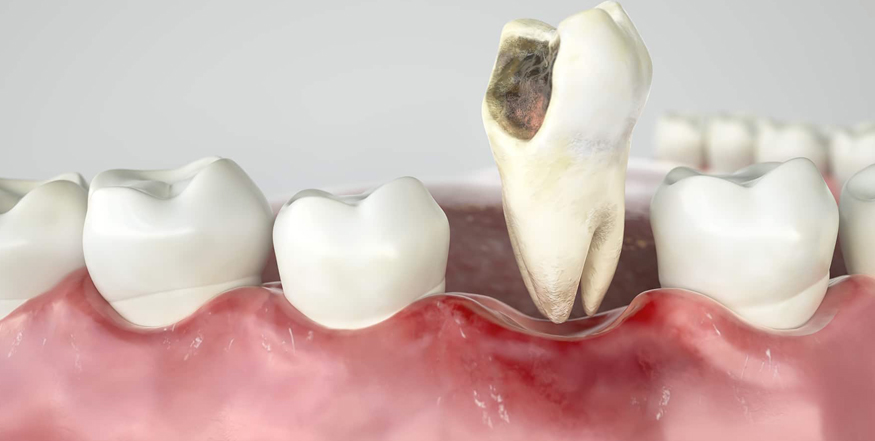
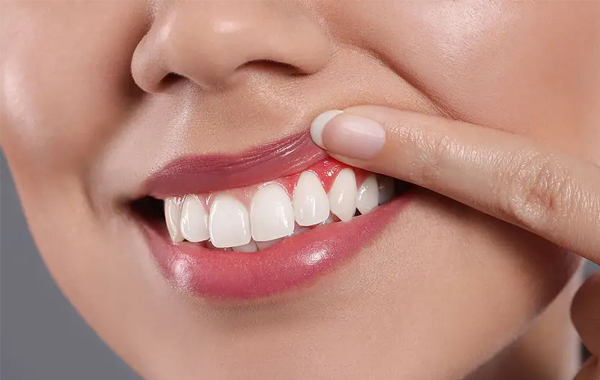
A gingivectomy is a minor dental surgery that removes diseased, overgrown, or excess gum tissue. The goal is to eliminate bacteria hiding under the gums, reduce infection, and restore proper gum contour around the teeth.
Dentists usually recommend a gingivectomy in cases of moderate to severe gum disease, when deep cleaning alone isn’t enough to remove infected tissue. By trimming away the damaged areas, the dentist allows the remaining gums to reattach more securely to the teeth, reducing the risk of future bacterial buildup.
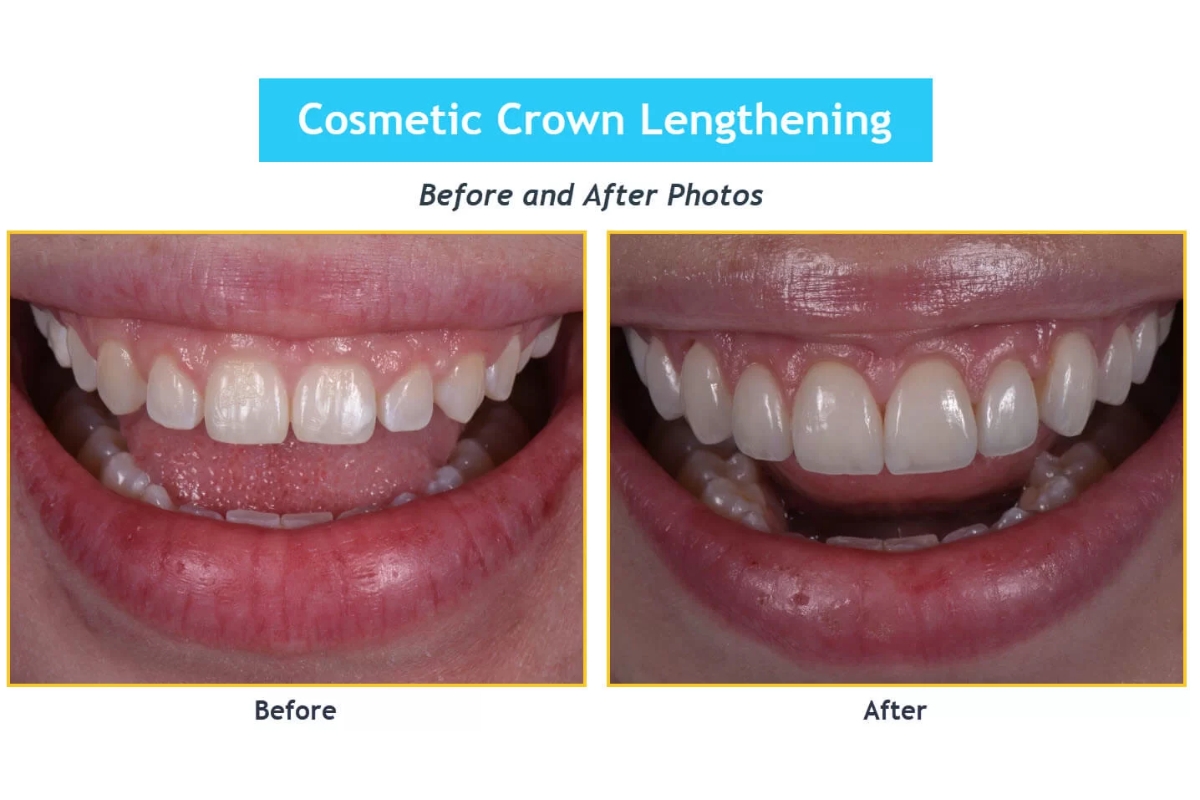
In addition to treating gum disease, gingivectomy is also used for cosmetic improvements. Some people have gums that cover too much of their teeth, creating what’s known as a “gummy smile.” In these cases, the procedure can reshape the gumline to make teeth appear longer and more balanced, dramatically enhancing the overall smile.
Is a Gingivectomy Painful?
One of the most common concerns patients have is whether the procedure will hurt. Fortunately, the answer is no — not during the procedure.
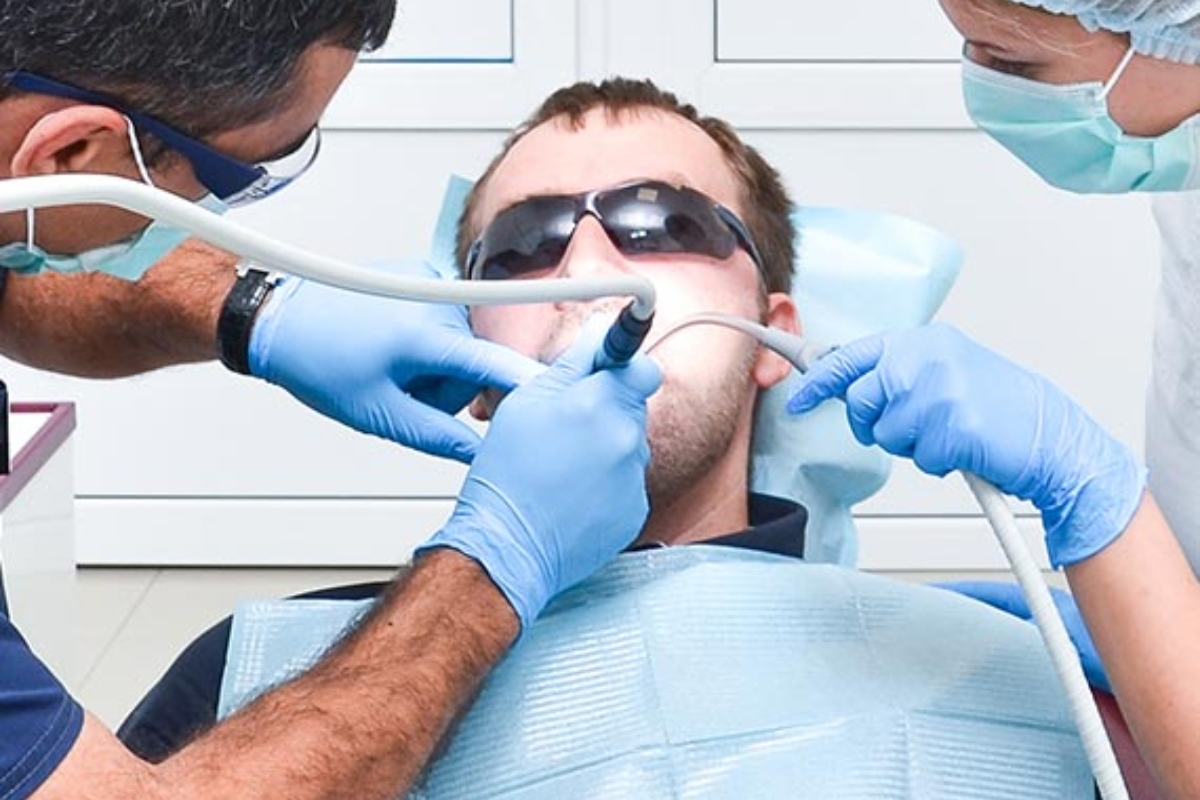
Before starting, your dentist applies a local anesthetic to completely numb the area being treated. This ensures you won’t feel any pain, though you might sense some pressure or gentle movement while your dentist works.
Some practices also offer sedation options such as nitrous oxide (“laughing gas”) or oral sedatives to help you relax, especially if you feel anxious about dental treatments.
After the anesthesia wears off, it’s normal to experience mild tenderness, swelling, or sensitivity around the treated area. However, this discomfort is short-lived and easily managed with prescribed pain medication, over-the-counter pain relievers, and home remedies like cold compresses. Most patients report that recovery feels more like having sore gums after dental cleaning rather than severe pain.
Don’t just take our word for it — check out our happy patients’ Google reviews ✩✩✩✩✩ and see why so many people trust The Dental Specialty Center for their dental care.
What Happens During a Gingivectomy?
A typical gingivectomy usually takes 30 to 60 minutes, depending on the number of teeth or areas being treated. The procedure is carefully planned to ensure maximum precision, comfort, and safety for the patient. Before starting, your dentist will review your treatment plan, explain every step, and answer any last-minute questions to help you feel confident and relaxed.
Here’s what typically happens during a gingivectomy procedure:
Numbing the Area
To begin, your dentist will apply a local anesthetic to completely numb the gums around the treatment area. This ensures that the procedure is entirely pain-free. For patients who feel anxious about dental procedures, sedation options such as nitrous oxide (laughing gas) or oral sedatives may be offered to help you remain calm and comfortable. During this step, your dentist will confirm that the area is fully numb before proceeding, so you won’t feel any sharp sensations—only light pressure or vibration.
Removing Excess or Infected Tissue
Once you are comfortable, the dentist will begin carefully removing diseased, inflamed, or overgrown gum tissue. Depending on the case, your dentist may use scalpel instruments or advanced soft-tissue lasers.
Laser-assisted gingivectomy has become a preferred choice because it allows for greater precision, minimal bleeding, and reduced swelling. The laser seals small blood vessels as it works, which not only keeps the area clean but also shortens recovery time. This step helps eliminate bacteria and reduces the deep pockets that form between teeth and gums—one of the leading causes of ongoing gum disease.
For patients receiving gingivectomy for aesthetic reasons, this stage focuses on gently removing the excess gum tissue covering part of the tooth’s surface to expose more of the natural enamel, creating a more proportionate and attractive smile.
Reshaping the Gumline
After the infected or overgrown tissue has been removed, your dentist will precisely reshape the gumline to create a smooth, natural contour around each tooth. This step is crucial not only for cosmetic appearance but also for functional health.
Proper gum contouring helps ensure there are no uneven areas or deep crevices where bacteria can hide and plaque can accumulate. This also makes future brushing and flossing much easier and more effective.
In aesthetic cases, reshaping the gumline can significantly improve the symmetry and balance of your smile—revealing more of your teeth and giving them a more proportional look.
Cleaning and Sterilizing the Area
Once the gum line has been sculpted, your dentist will thoroughly clean and sterilize the treated area using an antimicrobial solution. This step helps eliminate any residual bacteria and reduces the risk of postoperative infection. It also promotes a healthy environment for your gums to heal and reattach properly to your teeth.
In some cases, the dentist may apply a special healing gel or medication to support tissue regeneration and speed up recovery.
Applying a Protective Dressing
After cleaning and disinfection, a protective periodontal dressing—a soft, putty-like material—is gently placed over the surgical site. This dressing acts as a temporary “bandage” for your gums, shielding them from irritation caused by food particles or brushing. It also helps control minor bleeding and makes eating and speaking more comfortable during the initial healing phase.
Your dentist will provide detailed post-operative instructions, including how to keep the area clean, what foods to avoid, and when to return for a follow-up visit.
What to Expect After Treatment
Healing after a gingivectomy is generally smooth and straightforward if you follow your dentist’s instructions. Here’s what most patients experience:
Mild Discomfort and Sensitivity
It’s normal for your gums to feel tender or swollen for a few days after the procedure. Most patients describe it as mild irritation rather than sharp pain. Your dentist may recommend soft foods, like soup, yogurt, or mashed potatoes, while your gums heal.
Slight Bleeding or Swelling
A small amount of bleeding or swelling is common for the first 24 hours. Using a cold compress for 10–15 minutes at a time can help minimize swelling and discomfort.
Oral Hygiene Adjustments
Keeping your mouth clean is essential, but you’ll need to be gentle around the treated area. Your dentist might recommend a prescription antimicrobial mouth rinse to prevent infection and aid healing instead of brushing directly on the surgical site for a few days.
Dietary Care
Avoid spicy, crunchy, or acidic foods that can irritate healing gums. Stick to soft, cool meals and drink plenty of water to stay hydrated.
Follow-Up Appointments
A follow-up visit is usually scheduled within a week so your dentist can check your healing progress, remove any dressing if necessary, and ensure everything is healing properly.
Most patients recover within 7 to 14 days, after which the gums feel comfortable, firm, and healthy.
The Full Scope of Gingivectomy and Its Benefits
The full scope of gingivectomy covers both medical and cosmetic goals — it’s not just about removing tissue but about rebuilding a healthier, more attractive smile. Some of the key benefits include:
Better Gum Health: By removing infected or damaged tissue, the risk of recurring gum disease drops significantly.
Enhanced Aesthetics: Gingivectomy reshapes your gum line to create a balanced, natural smile that complements your teeth.
Easier Cleaning: Healthier, properly contoured gums make it easier to brush and floss effectively.
Prevention of Future Damage: Eliminating deep gum pockets helps protect bone and tissue from further loss.
Boosted Confidence: A cleaner, healthier smile often translates to greater confidence in daily interactions.
For many patients, a gingivectomy can be life-changing — improving both oral health and self-esteem.
How to Care for Your Gums After a Gingivectomy
Following good post-operative care ensures the best results:
Follow Instructions Carefully: Always follow your dentist’s aftercare directions regarding medications, rinses, and diet.
Use Ice Packs: Apply cold compresses in short intervals to reduce swelling.
Avoid Smoking or Alcohol: Both can delay healing and increase infection risk.
Keep Up with Gentle Cleaning: Brush and floss carefully once your dentist approves.
Eat Nutritious, Soft Foods: Choose foods rich in vitamins A and C to promote tissue repair.
Stay Consistent with Follow-Ups: Regular checkups allow your dentist to track your recovery and maintain results long-term.
Why Choose The Dental Specialty Center
When it comes to gum health, expertise and precision matter. At The Dental Specialty Center, patients receive personalized care using state-of-the-art technology for the full scope of gingivectomy—whether it’s for treating gum disease or enhancing your smile.
Our experienced team of specialists focuses on minimizing discomfort, promoting fast healing, and achieving beautiful, long-lasting results. From diagnosis to recovery, every step of your treatment is handled with compassion and advanced clinical skill.
If you’re experiencing swollen, bleeding, or uneven gums, The Dental Specialty Center offers a safe, effective way to restore both function and aesthetics through professional gingivectomy care.
Conclusion
While the idea of a gingivectomy may feel intimidating at first, modern dental techniques and expert care make the procedure far more comfortable than many expect. From precise tissue removal and gum reshaping to careful post-operative care, a gingivectomy can effectively restore gum health, improve oral hygiene, and enhance the appearance of your smile.
With proper follow-up and at-home care, recovery is typically smooth and straightforward, allowing you to enjoy healthier, more confident gums in just a week or two. At The Dental Specialty Center, our experienced team is dedicated to guiding you through every step of the process, ensuring your treatment is safe, effective, and as comfortable as possible. Your path to a healthier, more beautiful smile starts here.
Ready to Smile? Schedule Your Appointment!

Thank you for taking the time to learn more about how you can restore and enhance your gum health! At The Dental Specialty Center in Falcon, Colorado, Dr. Jonny Haller, DDS, Dr. Hank Cole, Dr. Scott Whitney and our expert team combine advanced technology, years of specialist training, and patient‑first care to deliver comfortable, precise treatment — from diagnosis to recovery.
So what are you waiting for? Let’s get started on the path to a healthier, more confident smile — schedule your appointment today!