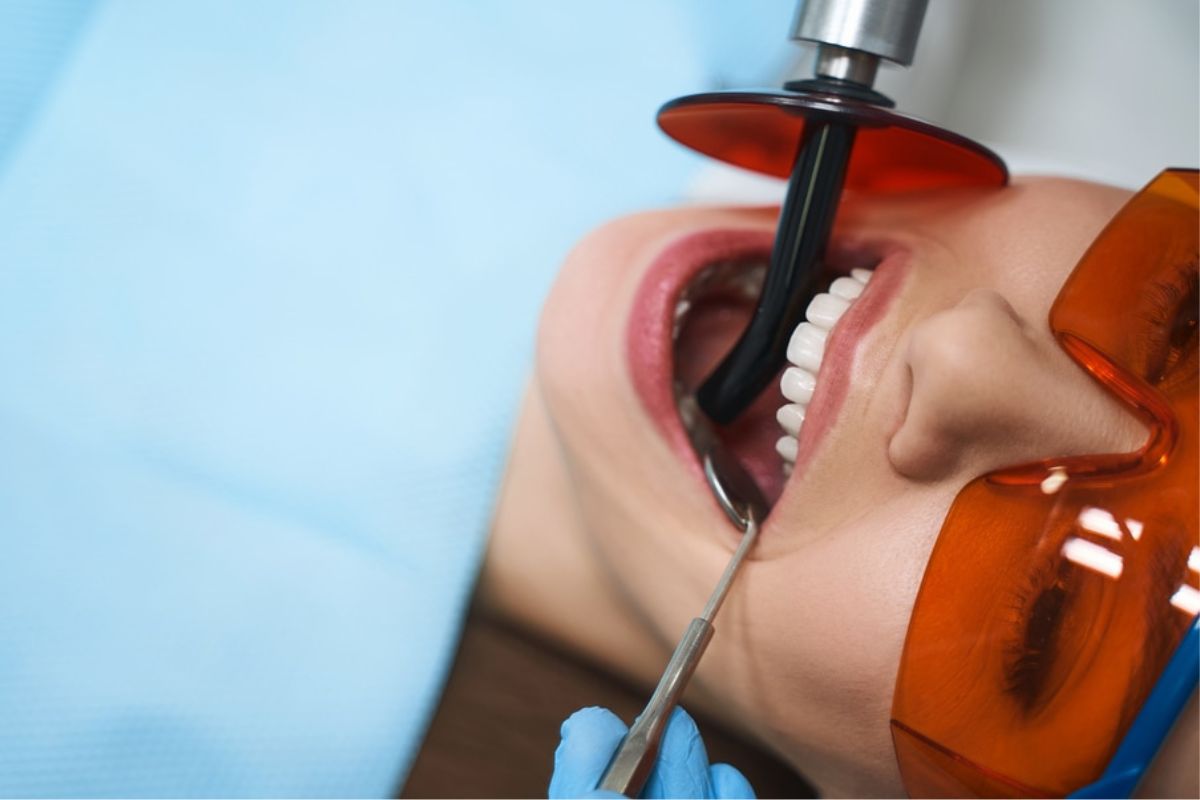
Root canal procedures save damaged teeth and prevent further complications, but mild pain often follows the treatment. Understanding how to manage this discomfort is key to a smooth recovery. Post-treatment soreness is temporary, yet taking proactive steps can make the healing process easier and less stressful. Find out some practical tips to ease discomfort and ensure faster recovery after a canal procedure.
How Long Does the Pain Last After a Root Canal?
Pain after a root canal is typically short-lived and manageable. Most patients experience tenderness lasting one to two days. Some may notice mild sensitivity for a week, which gradually subsides. Severe or prolonged pain is rare and may indicate an issue needing professional attention. Understanding what to expect can help you stay prepared and relaxed during recovery.
Effective Tips to Ease Post-Treatment Discomfort
Apply a Cold Compress
Apply an ice pack or a cold compress to the affected area to reduce swelling and numb lingering pain. Apply for 10–15 minutes, then give the area a break before reapplying. Cold therapy helps constrict blood vessels, reducing inflammation and calming nerve endings.
Rinse With Warm Saltwater
In case of a mouth rinse, mix a teaspoon of salt in a glass of warm water. Now, swish it gently throughout your mouth for 20 to 30 seconds. That rinse reduces inflammation, cleans it, and accelerates the healing process. Be careful not to rinse aggressively because it might irritate the treated tooth and surrounding gums.
Elevate Your Head
Sleeping with your head elevated helps to reduce blood flow to the affected area, which minimizes swelling and pain. Use extra pillows to ensure your head stays propped up during rest. Avoid lying flat, as it may increase discomfort and prolong the healing process.
Avoid Eating Immediately After Treatment
Refrain from eating until the numbing effect from anesthesia fully wears off. This precaution prevents accidental biting or irritation of the treated area. When you’re ready to eat, stick to soft foods like mashed potatoes, soups, and yogurt. Avoid chewing on the side of your mouth where the root canal was performed to reduce strain on the healing tooth.
Try Clove Oil for Relief
Clove oil possesses natural anesthetic and anti-inflammatory properties, and it is useful for post-treatment pain relief. Soak a cotton swab in clove oil and apply it gently on the gum above the treated tooth.
Do Not Smoke
Smoking is likely to inflame the delicate tissues surrounding the treated tooth, causing the healing to be delayed. Besides, smoking creates a risk for infection and complications by seeding the mouth with harmful bacteria.
Avoid Cold Drinks and Alcohol
It is not uncommon for teeth and gums in the treated area to feel more sensitive to cold beverages, which create more discomfort than necessary. Alcohol also disrupts the healing process and irritates the inflamed tissues.
Maintain Gentle Oral Hygiene
It is important to keep your mouth clean after a canal procedure, but you should avoid irritating the treated area. A soft-bristled toothbrush is recommended to brush gently around the tooth, avoiding vigorous movements or excessive pressure.
A Smooth Recovery With Proper Care
Post-treatment discomfort of a root canal is manageable with simple yet effective practices. Prioritizing care for your treated tooth ensures faster healing and long-lasting results. If the pain persists or worsens, consult our dentist immediately. For a smooth recovery and expert care, always seek our professional guidance. Don’t hesitate to schedule a follow-up if needed.