You’ve been meaning to schedule that dental appointment for months, maybe even years. But every time you pick up the phone, that familiar knot forms in your stomach and you put it off again. If this sounds like you, you’re far from alone. Studies show that roughly 36% of people experience dental anxiety, and for many, that fear quietly leads to skipped appointments and worsening oral health. The good news? Sedation dentistry exists precisely for moments like these and it has helped millions of people finally get the care they need, comfortably and without fear.
Whether you need a routine cleaning or a more involved procedure, there’s a sedation option designed to make your experience easier from start to finish.
What Is Sedation Dentistry?
Sedation dentistry uses carefully chosen medications and techniques to help patients feel calm and relaxed before and during dental treatment. It covers a wide spectrum from mild relaxation with laughing gas to deeper sedation that allows you to sleep through a lengthy procedure entirely.
More dental offices are now offering sedation dentistry options in Falcon because the benefits go far beyond comfort. Sedation helps patients with dental anxiety, a strong gag reflex, sensitive teeth, or complex treatment needs get the care they deserve without the dread.
What Types of Sedation Are Used in Dentistry?
There are four primary types of sedation used in dental settings today. Each works differently and is suited to different situations. Here’s what you need to know about each one:
1. Nitrous Oxide (Laughing Gas)
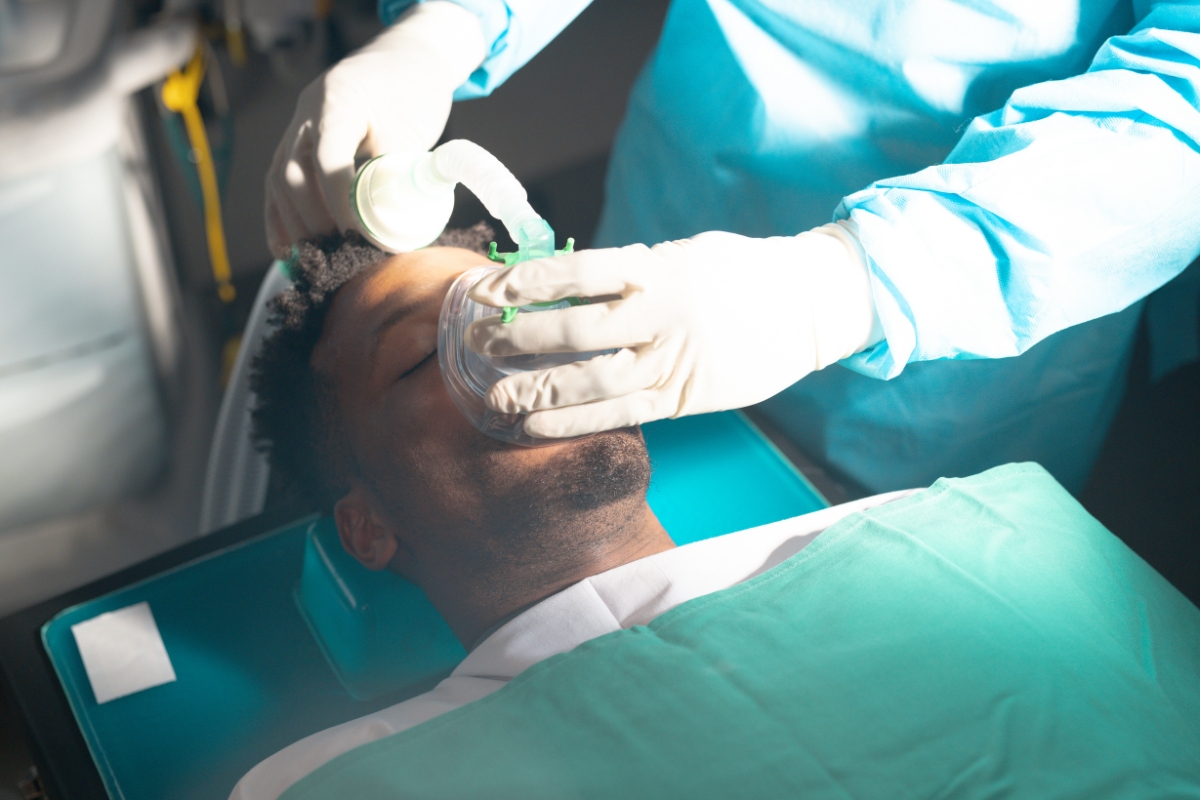
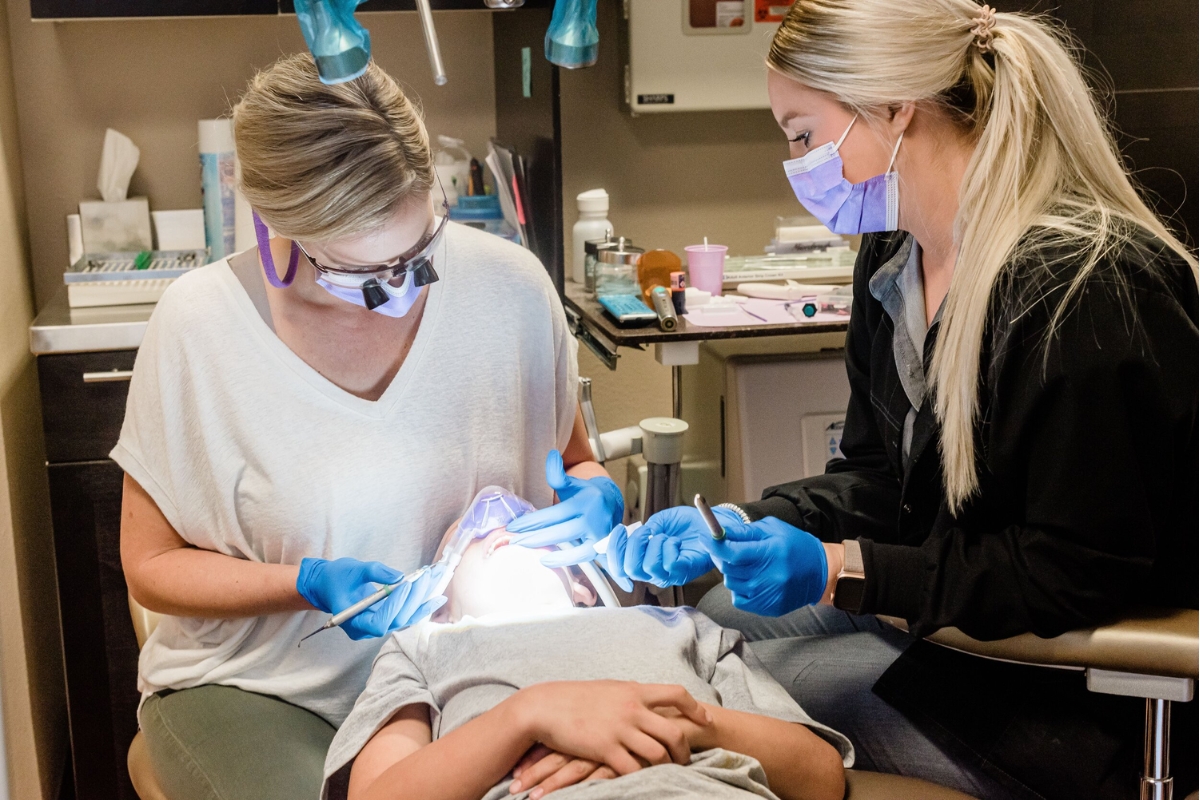
Nitrous oxide, commonly called laughing gas, is one of the most widely used and well-known forms of dental sedation. It’s delivered through a small mask placed gently over your nose, and within minutes, you’ll notice a pleasant, calm feeling wash over you.
You remain fully conscious and can still respond to your dentist throughout the procedure. What changes is how you feel, the anxiety fades, the tension eases, and the appointment passes much more comfortably than you expected.
Best for: Patients with mild dental anxiety, those with a sensitive gag reflex, and routine procedures like cleanings or fillings.
One of the biggest advantages of nitrous oxide is how quickly the effects wear off. Most patients are clear-headed within minutes of the mask being removed, meaning you can safely drive yourself home afterward.
2. Oral Conscious Sedation
Oral conscious sedation involves taking a prescribed sedative pill, usually about an hour before your appointment. By the time you settle into the dental chair, you’ll feel noticeably calm and relaxed, though still awake and able to respond to your dentist’s instructions.
The level of sedation can range from mild to moderate depending on the dosage. Some patients feel so relaxed that they drift in and out of a light sleep, though they can be gently roused if needed.
Best for: Patients with moderate dental anxiety, those undergoing longer procedures, or anyone who struggles with a strong gag reflex.
Because the sedative stays in your system for several hours, you’ll need a trusted friend or family member to drive you home after your appointment.
3. Intravenous (IV) Sedation
IV sedation delivers sedative medication directly into the bloodstream through a small needle, typically placed in the arm or hand. Because it enters the bloodstream immediately, the effect is fast-acting and highly controllable, your dentist can adjust the level of sedation throughout the procedure as needed.
With IV sedation, you’ll enter a deeply relaxed state. Most patients have little to no memory of the procedure afterward, even though they weren’t fully unconscious. It’s a powerful option for those who need dental treatment under sedation but don’t require complete unconsciousness.
Best for: Patients with significant dental anxiety or phobia, those undergoing lengthy or complex procedures, and patients with a particularly sensitive gag reflex.
As with oral sedation, you will need someone to drive you home and stay with you for a few hours after treatment.
4. General Anesthesia
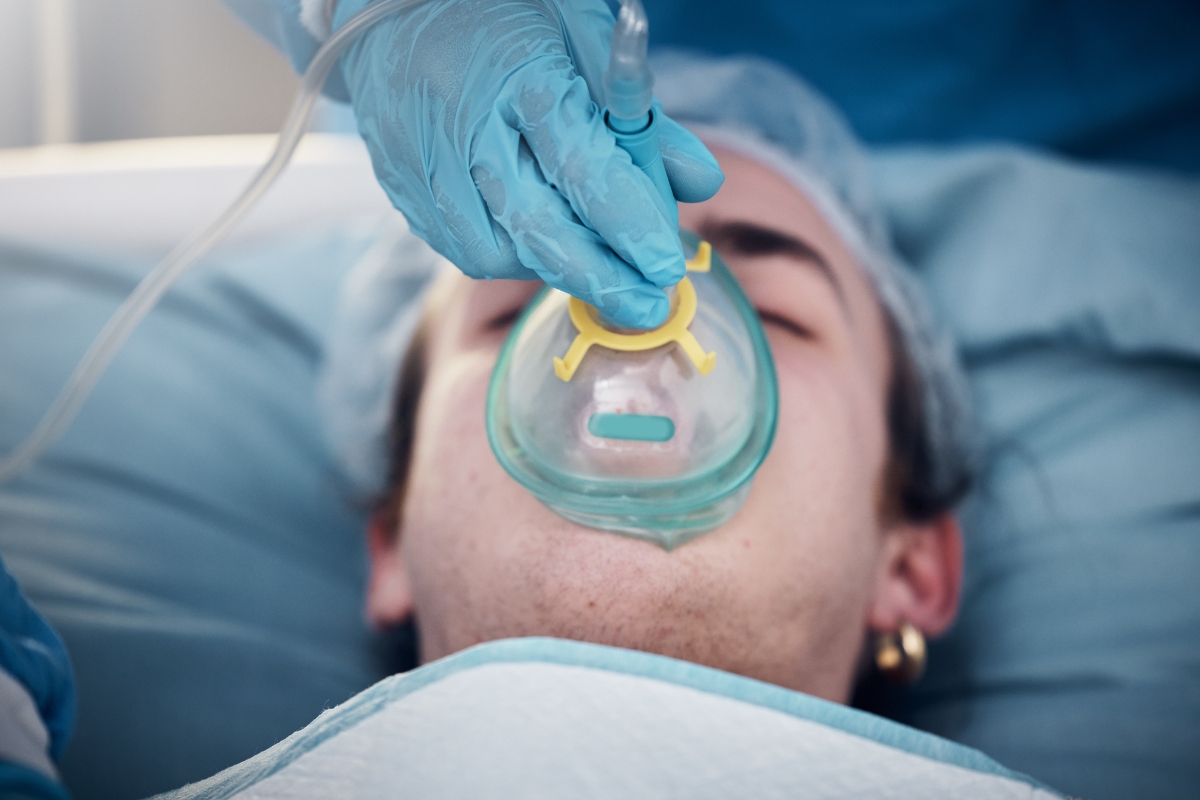
General anesthesia is the deepest form of sedation available in dentistry. Under general anesthesia, you are completely unconscious and will feel nothing throughout the procedure. It’s typically administered through a combination of inhaled gases and IV medications and requires a licensed anesthesiologist to be present.
Because of its intensity, general anesthesia is reserved for cases where other forms of sedation are not sufficient or safe.
Best for: Extensive oral surgeries, patients with extreme dental phobia, individuals with special needs who cannot remain still, or young children requiring significant dental work.
Important note: Your medical history, current health conditions, and the nature of your dental procedure all play a role in determining which sedation type is right for you. Always discuss these factors openly with your dental team.
When Is Each Type of Sedation Used?
Minimal Sedation — Nitrous Oxide
Nitrous oxide is the go-to choice for patients with mild dental anxiety or those undergoing shorter, routine procedures. The effects are gentle, fast-acting, and wear off within minutes, making it the only sedation option that allows you to drive yourself home afterward.
Mild to Moderate Sedation — Oral Sedation
Oral sedation works best when a patient needs more than just a light relaxing effect. It’s well-suited for moderate anxiety, longer appointments, or situations where a sensitive gag reflex makes treatment more challenging. Because the medication lingers in your system, you’ll need someone to drive you home.
Deep Sedation — IV Sedation
IV sedation is recommended for patients with significant dental anxiety, complex procedures, or those who haven’t responded well to lighter sedation methods. The fast-acting, adjustable nature of IV sedation gives your dentist precise control over your comfort level throughout the entire visit.
Complete Sedation — General Anesthesia
General anesthesia is reserved for the most intensive cases, extensive oral surgeries, patients with extreme dental phobia, individuals with special needs, or young children who are unable to cooperate during treatment. A licensed anesthesiologist is present throughout to monitor and ensure your safety.
Benefits of Sedation Dentistry
Choosing sedation isn’t just about comfort during the appointment, the benefits extend well beyond the chair:
- Reduces anxiety and fear. Sedation helps even the most anxious patients feel calm enough to receive the care they need, breaking the cycle of avoidance that leads to more serious dental problems.
- Controls the gag reflex. A sensitive gag reflex can make dental work genuinely difficult. Sedation relaxes the reflex response, making procedures smoother for both patient and dentist.
- Minimizes pain and discomfort. Sedation dentistry is particularly helpful for patients with sensitive teeth or a low pain threshold, making procedures feel virtually pain-free.
- Allows more treatment in fewer visits. Because sedation helps you tolerate longer appointments, your dentist can often complete multiple procedures in a single visit saving you time and reducing the number of appointments overall.
- Makes lengthy procedures more bearable. Time feels different under sedation. Procedures that might feel overwhelming can pass quickly and without distress.
Don’t Let Fear Stand Between You and a Healthy Smile
Don’t Let Fear Stand Between You and a Healthy Smile
Dental anxiety is real, and it’s more common than most people realize. But it doesn’t have to be the reason you postpone the care your smile deserves. With the right sedation option, your next dental visit can be genuinely comfortable — and maybe even something you no longer dread.
At Dental Specialty Center, our team is experienced in helping patients of all comfort levels receive the treatment they need in a calm, supportive environment. If you’ve been putting off a visit because of anxiety or fear, we’d love to help you take that first step.
Call us today at +1(719)985-6541 to speak with our team and find out which sedation option is right for you. A stress-free dental experience is just one phone call away.
Frequently Asked Questions
Q: Is sedation dentistry safe?
Yes, when administered by a trained dental professional and tailored to your health history, sedation dentistry is very safe. Your vital signs are monitored throughout the procedure to ensure your well-being.
Q: Will I be unconscious during sedation dentistry?
Not necessarily — it depends on the type used. Nitrous oxide and oral sedation keep you conscious but relaxed. Only general anesthesia makes you completely unconscious throughout the procedure.
Q: Can I eat before a sedation dentistry appointment?
Guidelines vary by sedation type. For IV sedation and general anesthesia, you’re typically asked to fast for several hours beforehand. Your dental team will give you specific instructions in advance.
Q: How long does sedation dentistry last?
Nitrous oxide wears off within minutes. Oral and IV sedation can leave you feeling groggy for several hours. General anesthesia recovery takes longer and requires monitoring before you’re cleared to leave.
Q: Is sedation dentistry only for people with anxiety?
No. While it’s especially helpful for anxious patients, sedation is also used for those with a strong gag reflex, low pain tolerance, special needs, or anyone undergoing long or complex dental procedures.