Blog Summary:
Full mouth extraction is a serious dental procedure where all remaining teeth are removed, usually when other treatments are no longer possible. In this blog, you will learn why someone might need it, what conditions lead to it, what the process looks like, and what options are available after treatment. If you live in Falcon or Colorado Springs, this guide will help you understand when this step may be considered and what to expect moving forward.
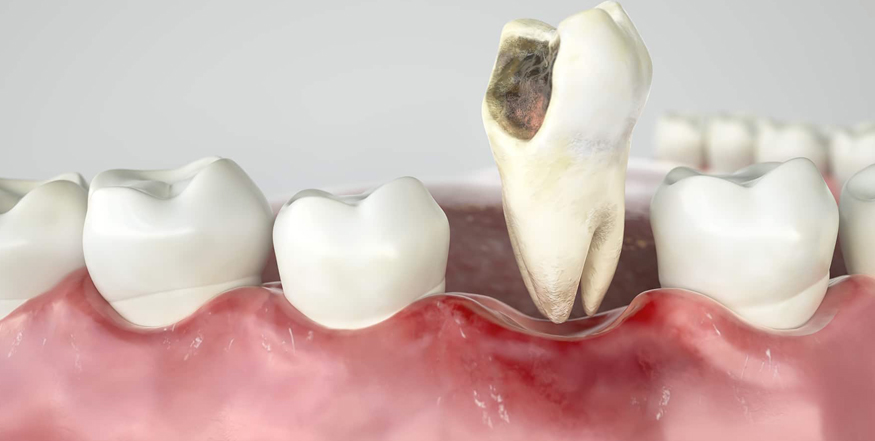
A full mouth extraction means removing all the teeth in the upper and lower jaws. This is not something dentists recommend lightly. It is usually considered only when teeth cannot be saved through treatments like fillings, crowns, or gum care.
The goal is to remove infection, relieve pain, and create a healthier starting point for future dental solutions.
Ready to Take the Next Step Toward Better Oral Health? Call Today!

Thanks for taking the time to learn when full mouth extraction may be necessary and what your options are. We hope this guide has helped you better understand the causes, signs, and treatment paths available when dental issues become too advanced to manage with routine care. Taking action at the right time can relieve pain, stop infection, and give you a fresh start for a healthier smile.
At The Dental Specialty Center, Dr. Hank Cole is dedicated to providing thoughtful, patient-focused care for individuals in Falcon and Colorado Springs. Every consultation is personalized to your needs, with clear guidance on whether extraction is necessary and what replacement options will work best for your lifestyle.
If you are experiencing ongoing dental problems, don’t wait for them to get worse. Call today to schedule your appointment and take the first step toward comfort, confidence, and long term oral health.
Common Reasons for Full Mouth Extraction
Severe Tooth Decay
When cavities are left untreated for a long time, they can destroy large portions of the teeth. In some cases, there is not enough healthy structure left to support fillings or crowns.
If most or all teeth are affected, removing them may be the only way to stop ongoing pain and infection.
Advanced Gum Disease
Gum disease can damage the bone that supports your teeth. As the condition progresses, teeth may become loose or shift out of place.
In advanced stages, saving the teeth becomes difficult, and extraction may be needed to protect overall oral health.
Multiple Broken or Damaged Teeth
Accidents, grinding, or years of wear can lead to cracked or broken teeth. When damage affects many teeth at once, repairing each one may not be practical.
In these situations, removing the teeth and replacing them with a full restoration can be a more stable option.
Ongoing Infection or Abscess
Repeated infections or untreated abscesses can spread and affect surrounding areas. This can lead to swelling, pain, and even impact general health.
Removing the source of infection becomes necessary when other treatments no longer work.
Failed Previous Dental Work
Sometimes, older dental work such as crowns, bridges, or root canals may fail over time. If multiple teeth with previous treatments begin to fail together, it may lead to a situation where extraction is considered.
Signs That You May Need This Treatment
Many people do not realize how serious their dental condition has become until symptoms start affecting daily life.
Common signs include constant tooth pain, difficulty chewing, bleeding gums, loose teeth, and frequent infections. If these issues are happening across most of your mouth, it is important to get a full evaluation.
What Happens During the Procedure
The process usually starts with a detailed exam, including X-rays and a review of your dental history.
On the day of the procedure, your dentist or oral surgeon will use local anesthesia or sedation to keep you comfortable. The teeth are removed carefully, and the gums are managed to support healing.
After the procedure, you will receive instructions on how to care for your mouth as it heals.
Recovery and Healing
Healing time can vary, but most people start feeling better within a few days. Swelling and mild discomfort are common at first.
Following aftercare instructions, eating soft foods, and keeping the area clean can help the healing process go smoothly.
Tooth Replacement Options After Extraction
Removing teeth is only one part of the process. Replacing them is important for function and appearance.
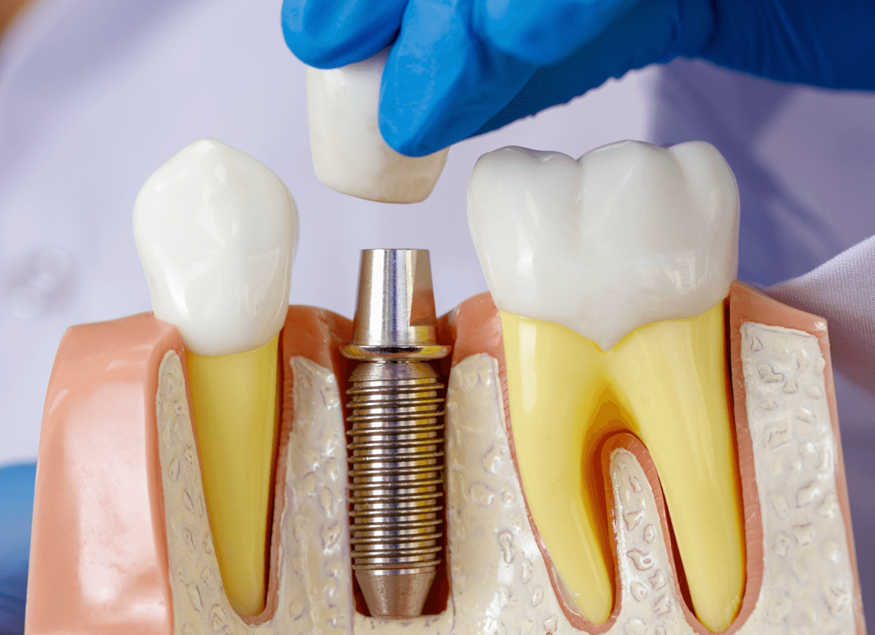
Options may include dentures, implant supported dentures, or full arch dental implants. Your dentist will help you choose what fits your needs and lifestyle.
Life in Falcon and Colorado Springs With Dental Care Needs
In growing communities like Falcon and Colorado Springs, many people balance busy schedules, outdoor activities, and family life. Dental problems can sometimes be delayed due to these routines.
However, ignoring ongoing dental issues can lead to more serious conditions over time. Having access to local dental care makes it easier to address problems early and avoid complex treatments when possible.
When Full Mouth Extraction Becomes Necessary
There are cases where saving the teeth is no longer possible, even with advanced dental treatments. At that point, removing the teeth can help stop pain and improve overall health.
Patients who have gone through this process often feel relief once the source of discomfort is removed and they can move forward with a new smile.
It is important to remember that full mouth extraction is typically considered a last resort after all other options have been explored. For those in Falcon and nearby Colorado Springs, clinics like The Dental Specialty Center provide evaluations and guidance to help patients understand when this step may be necessary and what comes next.
Conclusion
Full mouth extraction is not a first step in dental care, but it can be the right decision in certain situations. Severe decay, gum disease, and ongoing infections are some of the main reasons it may be needed.
If you are dealing with multiple dental issues, getting a proper evaluation can help you understand your options. For residents in Falcon and Colorado Springs, staying informed and seeking timely care can make a significant difference in long term oral health.
Find Comfort and a Fresh Start at The Dental Specialty Center

Dealing with severe dental issues can affect your daily life, but the right treatment can help you move forward with comfort and confidence. Understanding when full mouth extraction is necessary is the first step toward relieving pain and improving your oral health. At The Dental Specialty Center, Dr. Hank Cole provides personalized care to help you explore the best treatment and replacement options for your needs.
We welcome new patients from Falcon, Colorado Springs, and nearby communities to experience compassionate and expert dental care. If you are ready to take the next step, call today to schedule your appointment and start your journey toward a healthier, more comfortable smile.
FAQs
What does a full mouth extraction involve?
It involves removing all remaining teeth in the upper and lower jaws, usually under local anesthesia or sedation.
How do I know if I need a full mouth extraction?
A dentist will evaluate your teeth, gums, and bone condition. If most teeth cannot be saved, this option may be discussed.
What can I eat after full mouth extraction?
Soft foods like soups, yogurt, mashed potatoes, and smoothies are recommended during the early healing period.
How long does it take to recover?
Initial healing may take a few days to a couple of weeks, but full healing of the gums can take longer.
What are my options after full mouth extraction?
Common options include dentures, implant supported dentures, and full arch implants, depending on your needs.