Summary:
“This blog explains what happens when a tooth cracks, whether it can heal naturally, and what types of cracks require professional dental care. It also covers symptoms to watch for, treatment options, and prevention tips to help you protect your teeth and respond quickly to dental issues.”
Understanding Cracked Teeth and Why They Matter
A cracked tooth might start as a small issue — a tiny line you barely notice — but it can quickly become something more serious if ignored. Many people wonder, “Can a cracked tooth heal on its own?” Unfortunately, unlike bones, teeth cannot regenerate or repair deep cracks naturally.
According to the Centers for Disease Control and Prevention (CDC), dental injuries and fractures are common, with millions of Americans experiencing tooth damage every year. While enamel is the hardest substance in the body, once it’s cracked, it cannot repair itself because it lacks living cells. That’s why early detection and professional treatment are key to saving your tooth and avoiding future pain or infection.
Can a Cracked Tooth Heal on Its Own?
The short answer is no — a cracked tooth cannot heal on its own. Teeth are made of hard mineralized tissue that does not contain the same type of regenerative cells found in bone. Once a tooth is cracked, that damage remains until it’s treated by a dentist.
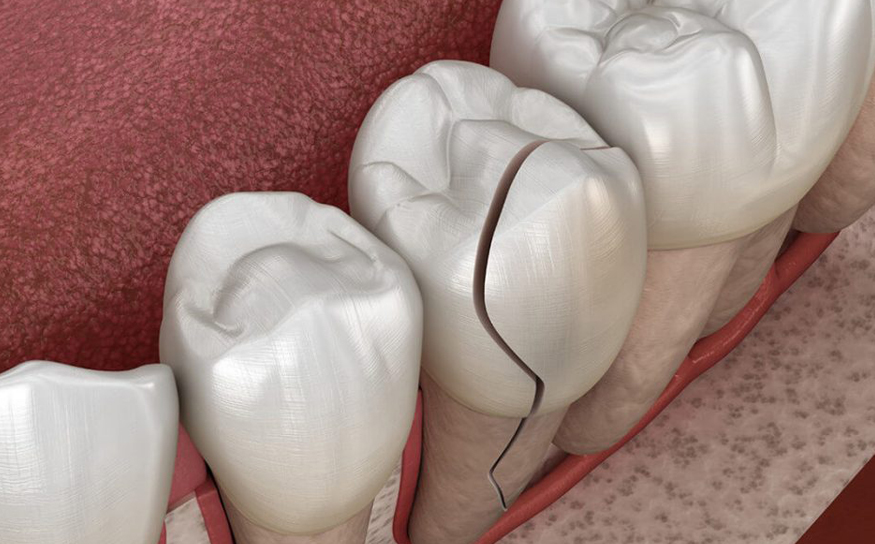
However, some surface-level cracks, known as craze lines, may not require treatment. These tiny lines on the outer enamel don’t usually cause pain or structural damage. But deeper cracks that extend into the inner layers of the tooth (the dentin or pulp) need immediate professional care to prevent further problems.
Are you experiencing tooth pain but unsure of the cause? If you can’t recall any recent dental issues, a cracked tooth might be the reason. Learn to understand what causes a cracked tooth and why you shouldn’t ignore it.
Common Causes of Cracked Teeth
- Chewing hard foods such as ice, nuts, or hard candy
- Bruxism (teeth grinding), especially at night
- Large fillings that weaken the remaining tooth structure
- Sudden temperature changes (like eating hot food and drinking cold water)
- Accidents or injuries to the mouth
- Aging, since enamel wears down over time
Symptoms of a Cracked Tooth
Cracked teeth don’t always hurt, but they can cause noticeable discomfort, especially when chewing or exposed to temperature changes. Common signs include:
- Sharp pain when biting or chewing
- Sensitivity to hot or cold foods
- Intermittent tooth pain that comes and goes
- Swelling or tenderness around the tooth
- A visible line or crack on the tooth surface
If you experience any of these symptoms, schedule a dental evaluation right away. Delaying treatment can allow bacteria to enter the crack and infect the pulp, leading to more serious issues like abscesses or tooth loss.
Don’t just take our word for it—see what our real patients have to say by checking out our Google reviews ☆☆☆☆☆, and then decide to trust us with your smile!
How Dentists Treat Cracked Teeth
The treatment depends on the type and severity of the crack:
Bonding or Filling: Minor cracks can often be sealed with composite resin to prevent further damage.
Dental Crown: For larger cracks, a crown can cover and protect the tooth from pressure or bacteria.
Root Canal Treatment: If the crack has reached the pulp, a root canal is performed to remove the infected tissue before sealing the tooth.
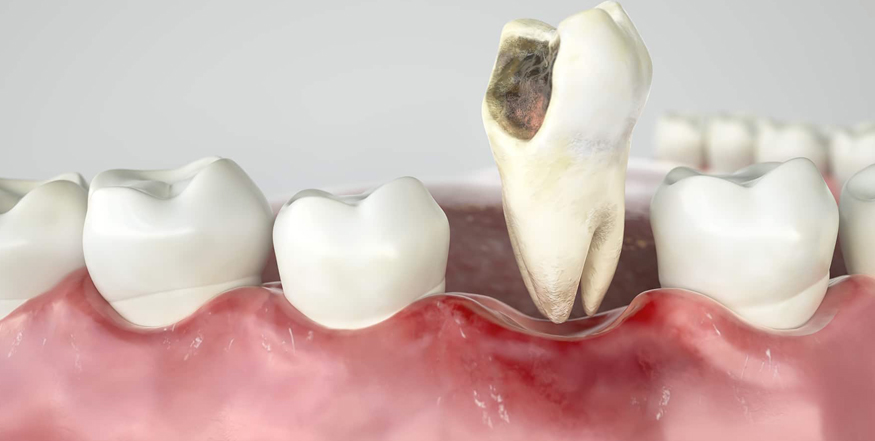
Extraction: In cases where the tooth is severely fractured, it may need to be removed to prevent further complications.
Can You Prevent Cracked Teeth?
While not all cracks are avoidable, there are steps you can take to reduce the risk:
- Avoid chewing on hard foods or objects.
- Wear a mouthguard if you grind your teeth or play contact sports.
- Don’t use your teeth to open bottles or packaging.
- Maintain regular dental visits to catch small issues early.
- Practice good oral hygiene to keep enamel strong and healthy.
What Happens If a Cracked Tooth Is Left Untreated?
Ignoring a cracked tooth can lead to serious complications. The crack can deepen, allowing bacteria to reach the inner pulp and cause an infection. This can result in:
- Severe pain or abscess
- Gum swelling or bone loss
- Tooth decay around the crack
- Complete tooth loss
Seeking prompt care can help prevent these issues and save your natural tooth.
Why Choose The Dental Specialty Center for Cracked Tooth Care
If you suspect you have a cracked tooth in Falcon, CO, The Dental Specialty Center provides expert care and advanced dental treatments to restore your smile. Our experienced team offers comprehensive cracked tooth repair, including dental crowns, root canals, and restorative options tailored to your needs.
With a patient-centered approach and advanced technology, We help prevent further damage while ensuring your comfort throughout treatment.
Final Thoughts
A cracked tooth won’t heal on its own — but with timely and professional treatment, it can be saved. Whether your tooth has a small surface line or a deeper fracture, getting the right care early can make all the difference in preserving your natural smile.
If you’re in Falcon, CO, and suspect you have a cracked tooth, reach out to The Dental Specialty Center. Our skilled team can help diagnose the problem, relieve your discomfort, and restore your oral health with lasting results.