You’re enjoying your favorite snack or sipping something cold—and suddenly, there’s a jolt of pain in your mouth. You check the mirror, but nothing looks too unusual. What you may be experiencing is more common than you’d expect: a cracked tooth.
According to the American Association of Endodontists (AAE), cracked teeth are a leading cause of tooth loss in the U.S. for adults. Yet many people ignore early signs or confuse it with tooth sensitivity or minor discomfort. If left untreated, a cracked tooth can lead to serious problems like infection, nerve damage, and even tooth extraction.
In this blog, we’ll walk you through everything you need to know about cracked teeth—what they are, how they happen, what types exist, and what to do if you suspect you have one.
What Is a Cracked Tooth?
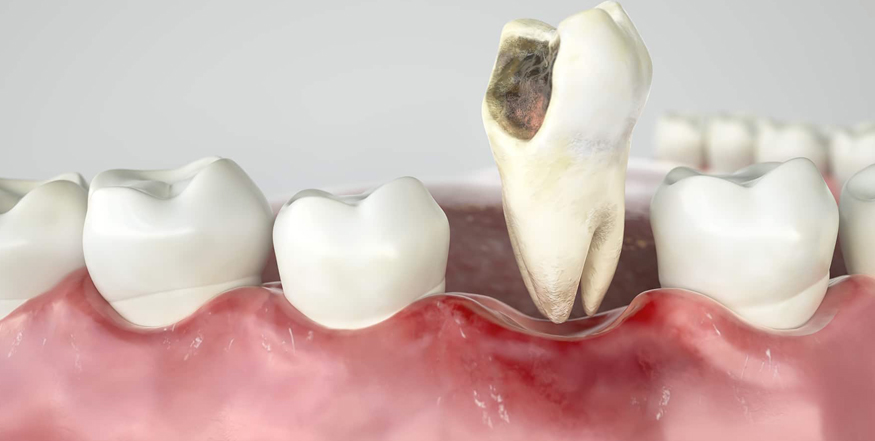
A cracked tooth occurs when a break or fracture forms in the hard enamel of your tooth. Cracks can be minor and only affect the surface, or they can go deeper into the root and pulp, where the nerves and blood vessels are located. Not all cracks are visible to the naked eye, and sometimes, you may not feel anything until it worsens.
Common symptoms include:
- Pain while chewing or biting
- Sensitivity to hot, cold, or sweet foods
- Swelling around the affected tooth
- Intermittent tooth pain
What Causes a Cracked Tooth?
There are many reasons your teeth can crack. Some of the most common include:
- Biting down on hard foods like ice, hard candy, or nuts
- Grinding or clenching your teeth (often during sleep)
- Large fillings that weaken the tooth structure
- Sudden temperature changes in the mouth (like eating something hot then drinking cold water)
- Injury or trauma from accidents or sports
- Age — older adults are more likely to experience tooth cracks due to wear and tear
Types of Cracked Teeth
Craze Lines
These are tiny cracks in the outer enamel and usually painless. They are cosmetic and don’t require treatment.
Fractured Cusp
This occurs when a piece of the tooth’s chewing surface breaks off. It typically doesn’t affect the pulp and may not be painful.
Cracked Tooth
A crack that extends from the chewing surface down toward the root. If left untreated, it can worsen and possibly reach the gum line or beyond.
Split Tooth
Often the result of a cracked tooth left untreated, the tooth splits into distinct segments. A split tooth may require extraction or extensive dental restoration.
Vertical Root Fracture
These cracks begin in the root and move upward. They may not show symptoms until the tooth becomes infected.
Why Our Patients Keep Coming Back
Went in for the dreaded root canal, very welcoming reception team, very compassionate dental staff with state of the art equipment. Dr. Whitney performed a painless, other than first shot of Novocain, root canal procedure. I had been told for years that this procedure was horrible, in fact it was way better than getting a tooth filled. Highly recommend this practice – Eric Reinhardt
What People Are Saying About Their Experience
Cracked Tooth vs Chipped Tooth: What’s the Difference?
A chipped tooth typically affects just the enamel and may cause roughness or sharp edges but not always pain. A cracked tooth, on the other hand, can run deeper and may cause sensitivity, pain when chewing, and higher risks of infection.
Both should be looked at by a dentist, but a cracked tooth often needs quicker, more urgent care.
Home Remedies Before You Visit Your Dentist
While you wait for your dental appointment, here are a few things you can do to ease discomfort:
- Rinse your mouth with warm saltwater to reduce bacteria
- Avoid chewing on the side with the cracked tooth
- Apply a cold compress outside the cheek if there’s swelling
- Take over-the-counter pain relievers (like ibuprofen) if needed
- Avoid extreme temperatures in food and drink
These steps are only temporary. It’s important to see a dentist as soon as possible to prevent further damage or infection.
Don’t Neglect a Broken Tooth – Contact Us Today
Leaving a cracked tooth untreated can lead to serious dental issues, including:
- Infection or abscess
- Tooth loss
- Gum disease
- Spread of infection to nearby areas
If you’re in Falcon, CO, you can trust The Dental Specialty Center for high-quality, compassionate treatment. Our team specializes in diagnosing and treating cracked teeth using the latest dental technology. Whether it’s a minor crack or a serious split tooth, we offer personalized treatment options to save your smile.
Frequently Asked Questions About Cracked Teeth
What can be done for a cracked tooth?
Treatment options include bonding, crowns, veneers, or root canals—based on how deep the crack is. Reattaching broken pieces or using custom restorations are also common approaches.
Can a cracked tooth heal on its own?
No. Unlike bones, teeth cannot repair themselves. The crack needs to be treated by a dentist to prevent further complications.
Is a cracked tooth an emergency?
Yes, especially if you experience pain, swelling, or signs of infection. Even if it doesn’t hurt yet, it can quickly worsen without treatment.
What happens if a tooth cracks?
If untreated, bacteria can enter the crack and cause infection. This can lead to nerve damage, abscesses, or loss of the tooth.
Can you fix cracks in your teeth?
Yes, modern dental techniques can restore cracked teeth using bonding, crowns, or root canal therapy depending on the damage.
Is it okay to live with a cracked tooth?
It’s risky. Even painless cracks can worsen and lead to serious issues over time. Early treatment can help
What is the best thing to do with a cracked tooth?
See a dentist right away. Avoid chewing on it and follow home care steps until your appointment.
How to remineralize a cracked tooth?
Remineralization works for early enamel damage, not deep cracks. Using fluoride toothpaste and a healthy diet can help strengthen enamel, but cracks still need professional care.
Cracked teeth are more common than you think—and they’re often easy to ignore until they become a bigger problem. Whether you’ve noticed pain, sensitivity, or an unusual feeling when you bite down, don’t wait.
With proper care and timely treatment, you can restore your smile and avoid long-term dental complications. If you’re in Falcon, CO, reach out to The Dental Specialty Center for expert cracked tooth care and a stress-free dental experience.