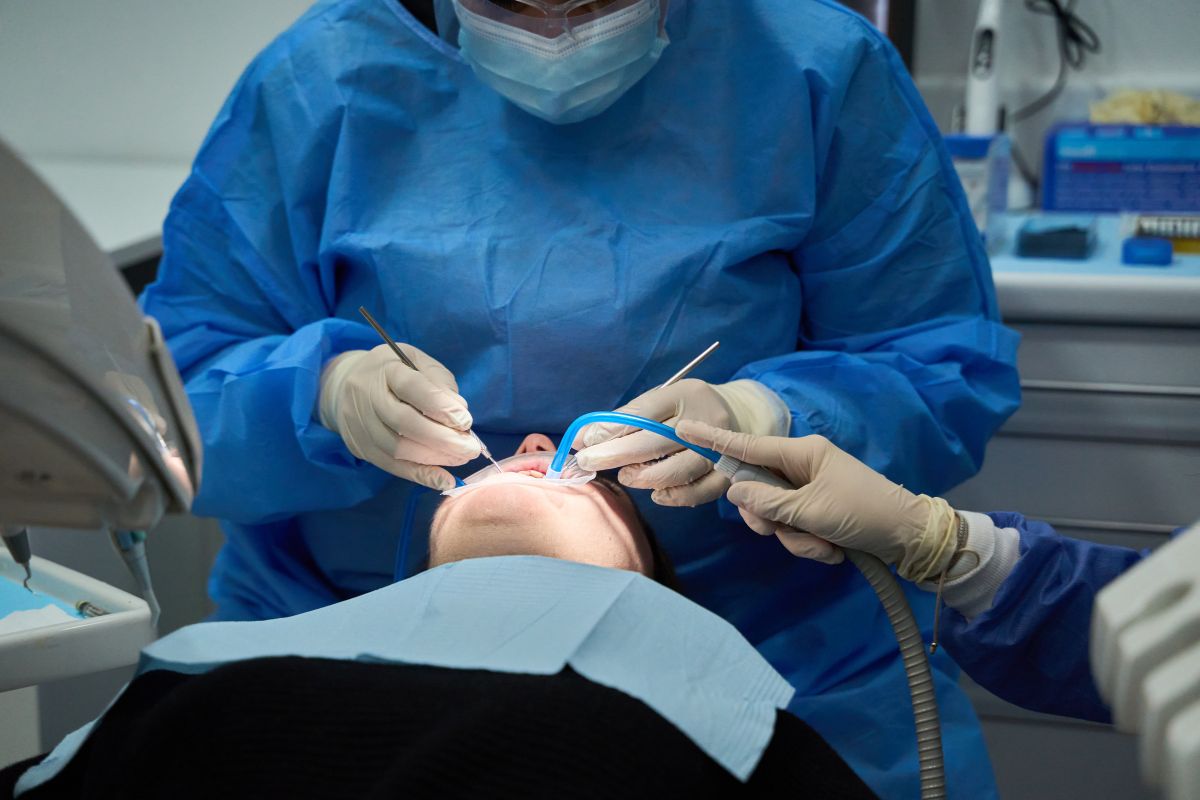
If you’ve been feeling ongoing pain in your jaw or noticed something unusual with your teeth, you’re not alone. Many people delay treatment hoping it’ll go away, but sometimes, what seems small can turn into something that needs expert attention. If you’re searching for answers about oral surgery in Falcon, understanding when it’s time to take action is important.
Whether it’s a problem tooth or chronic discomfort, oral surgery isn’t just for complex procedures—it’s often the key to preventing more serious issues. Let’s explore five signs that might mean it’s time to visit a dentist and discuss oral surgery options nearby.
Why Oral Surgery Matters
Oral surgery involves procedures like tooth extraction, dental implants, bone grafts, and treatment for jaw-related issues. In Falcon and other parts of Colorado, access to quality dental care means patients can address problems before they worsen.
According to the American Dental Association (ADA), delaying oral issues can lead to complications such as infection, bone loss, or even damage to surrounding teeth. That’s why knowing the signs can make a major difference in your long-term oral health.
1. Persistent Tooth Pain or Sensitivity
If you’re dealing with ongoing tooth pain that won’t subside with over-the-counter pain relief, it may be more than a cavity. Sometimes, severe decay reaches the root, leading to infections that might require a root canal or even extraction.
When to Act:
- Sharp or throbbing pain that lasts for days
- Increased sensitivity to hot or cold
- Swelling around the tooth or gums
Ignoring the pain can lead to abscesses or bone damage. A trusted dentist in Falcon can help determine if oral surgery is the best option.
2. Impacted Wisdom Teeth
Wisdom teeth, especially in young adults, often grow in at awkward angles. If they don’t have enough room, they can become impacted—trapped beneath the gum or pushing against neighboring teeth.
Signs of Trouble:
- Swelling or tenderness at the back of the mouth
- Jaw stiffness
- Difficulty opening your mouth fully
Oral surgery for impacted teeth is common and often recommended before complications like crowding or infection arise.
3. Jaw Pain or Clicking Sounds
Do you feel a clicking or popping when chewing? Do you sometimes wake up with jaw stiffness or discomfort? These symptoms could point to TMJ disorders, which sometimes require surgical intervention to realign the jaw or relieve pressure.
In places like Falcon, where many residents lead active lifestyles, jaw pain can affect daily life and sleep. Consulting a dentist early can help diagnose whether oral surgery is needed to correct the joint or bite alignment.
4. Gum Infection or Receding Gums
Gum issues often start small—maybe just some bleeding when brushing—but can escalate quickly. Severe gum disease can lead to bone loss, tooth instability, and the need for surgical procedures like flap surgery or bone grafting.
Don’t Ignore These Warning Signs:
- Gums pulling away from teeth
- Loose teeth
- Persistent bad breath or pus around the gum line
Prompt care from a Falcon-area dentist can prevent the need for more complex surgery down the line.
5. Tooth Loss or Preparing for Dental Implants
Losing a tooth due to injury or decay can be more than a cosmetic concern. Over time, the jawbone begins to deteriorate, changing your bite and even your facial structure. Oral surgery can restore function and appearance through dental implants, which require placing a post into the jawbone.
This is one of the most common reasons people pursue oral surgery in Falcon—especially those seeking long-term solutions instead of removable dentures.
Local Insight: Oral Surgery in Falcon, CO
Falcon, located just northeast of Colorado Springs, has a growing number of families and retirees who rely on accessible dental services. With many residents commuting to nearby areas or working remotely, having a dependable dentist nearby for surgical consultations adds convenience and peace of mind.
From extraction clinics to full-service dental offices, Falcon offers several options for those seeking professional care close to home.
Frequently Asked Questions (FAQs)
Is oral surgery painful?
Modern anesthesia and sedation methods make most procedures comfortable. Mild discomfort afterward is normal and typically managed with medication and rest.
How long is the recovery from oral surgery?
It depends on the procedure. Wisdom tooth extraction may require a few days, while implant healing could take a few months. Your dentist will provide a clear timeline.
Can I go back to work after oral surgery?
Many people take one to two days off for recovery, especially after extractions. Your dentist will advise you based on the complexity of your case.
Does insurance cover oral surgery?
Most dental insurance plans cover medically necessary procedures. It’s best to check with your provider or your dental office for specific coverage details.
Final Thoughts
Oral health issues don’t always announce themselves loudly. Often, they start as mild discomfort, a small change in your bite, or jaw tension that seems like no big deal. But when these signs point toward something more serious, knowing when to seek help is key.
If you’re noticing any of these symptoms—or even if you’re just unsure—talking to a local dentist in Falcon can help you get clarity and peace of mind. They’ll walk you through the next steps and let you know if oral surgery is necessary.
Schedule an Appointment
Don’t wait for symptoms to worsen. A timely consultation could make all the difference.