Understanding When It’s Time for Wisdom Teeth Removal
Wisdom teeth, also known as third molars, usually emerge in the late teens or early twenties. While some people have no issues with their wisdom teeth, many experience complications that require removal. If left untreated, these issues can lead to infections, pain, and even damage to surrounding teeth. Knowing the warning signs can help you take action before serious problems arise.
If you’re unsure whether your wisdom teeth need to be extracted, watch out for these seven key signs that indicate a potential problem.
1. Persistent Jaw Pain and Discomfort
One of the most common signs that your wisdom teeth are causing trouble is ongoing pain in the jaw. This discomfort can feel like a dull ache or sharp pain, especially in the back of your mouth. The pain may also radiate toward your ears or temples, making everyday activities like chewing and talking uncomfortable. If you’re experiencing persistent pain, it may be time to consult a dental professional.
2. Swollen or Bleeding Gums
When wisdom teeth don’t have enough space to emerge properly, they can irritate the surrounding gum tissue. This often leads to redness, swelling, and tenderness in the gums. In some cases, you may even notice bleeding when brushing or flossing near the affected area. Swollen gums can be a sign of an infection or an impacted tooth, both of which require prompt attention.
3. Difficulty Opening Your Mouth
If you find it difficult to open your mouth fully or experience stiffness in your jaw, your wisdom teeth may be to blame. This happens when impacted wisdom teeth put pressure on your jaw joint, causing discomfort and restricting movement. In severe cases, this can even lead to temporomandibular joint (TMJ) disorders, making it painful to eat or speak.
4. Frequent Headaches or Ear Pain
Many people don’t realize that wisdom teeth issues can contribute to headaches and ear pain. Because the jaw, ears, and head are closely connected, pressure from impacted wisdom teeth can create tension and discomfort in these areas. If you’re experiencing recurring headaches or unexplained ear pain, it’s worth considering whether your wisdom teeth could be the cause.
5. Crowding or Shifting Teeth
Even if your wisdom teeth aren’t causing pain, they can still lead to problems by pushing your other teeth out of alignment. If you’ve noticed recent changes in the positioning of your teeth, such as crowding or shifting, your wisdom teeth may be exerting pressure on your existing dental structure. This can undo years of orthodontic work and create alignment issues that may require additional treatment.
6. Persistent Bad Breath or Unpleasant Taste
Impacted or partially erupted wisdom teeth create pockets where food and bacteria can become trapped. Over time, this buildup can lead to persistent bad breath, an unpleasant taste in your mouth, or even an infection called pericoronitis. If regular brushing and flossing aren’t resolving the issue, your wisdom teeth may be the root cause.
7. Signs of Infection or Cysts
In some cases, wisdom teeth can develop cysts or abscesses, which can damage the surrounding bone and teeth. Symptoms of infection include severe pain, swelling, pus, and fever. If left untreated, infections can spread to other areas of your mouth and body, leading to more serious health concerns. Seeking care from an oral surgeon in Falcon can help prevent these complications before they worsen.
When to Seek Professional Help?
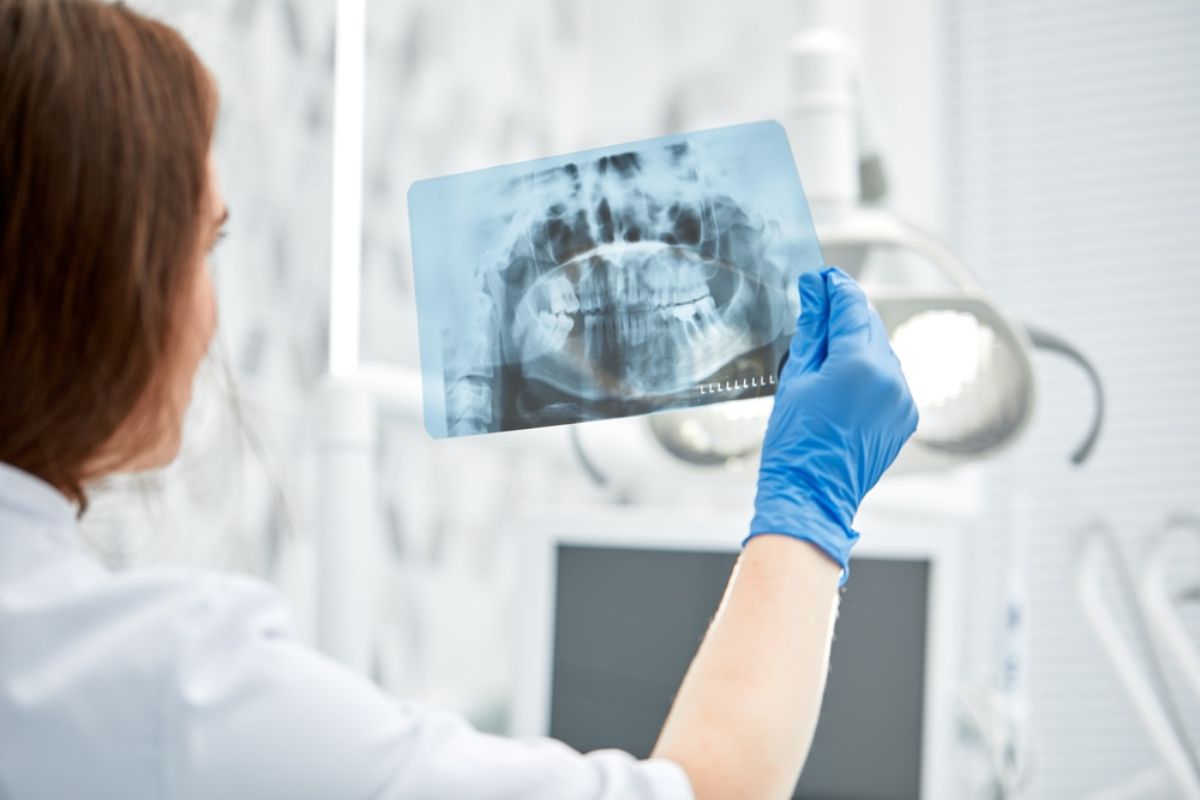
If you’re experiencing one or more of these symptoms, it’s essential to consult a dental professional as soon as possible. A thorough evaluation, including X-rays, can determine whether your wisdom teeth need to be removed. Delaying treatment can lead to more significant dental issues, including damage to adjacent teeth and infections that require emergency care.
What to Expect During Wisdom Teeth Removal?
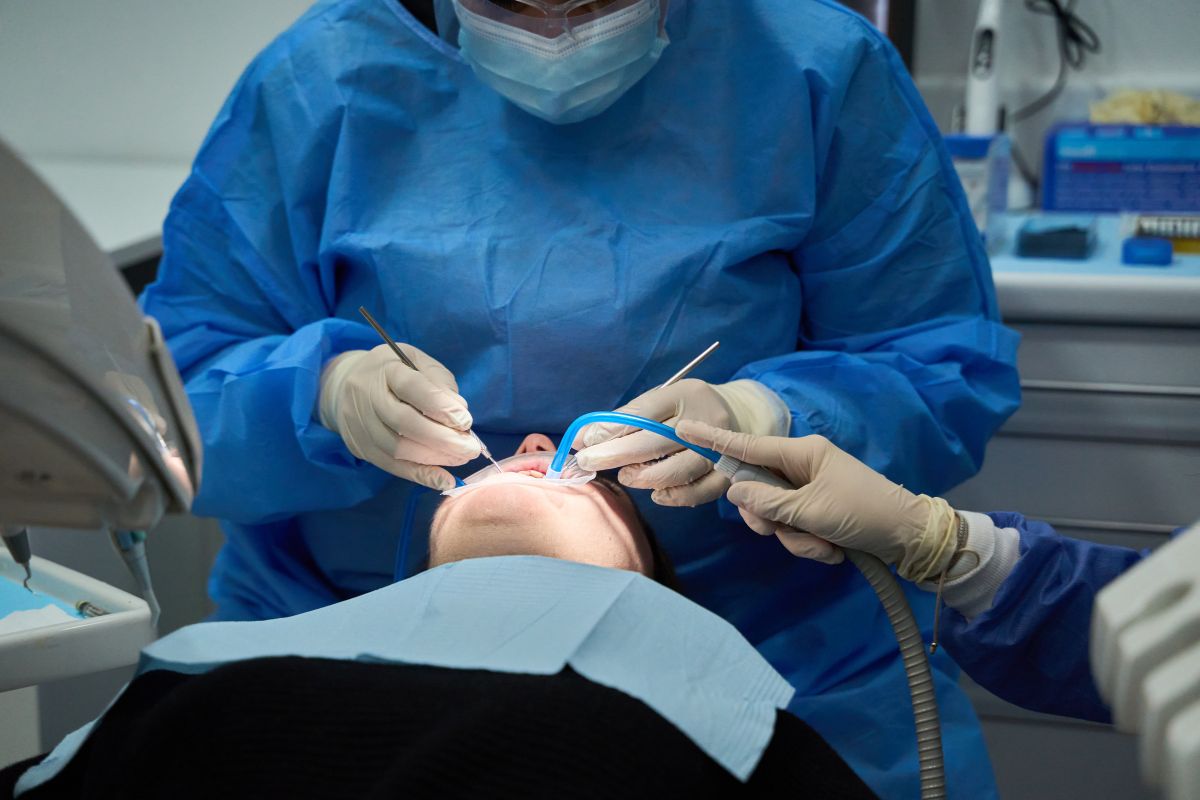
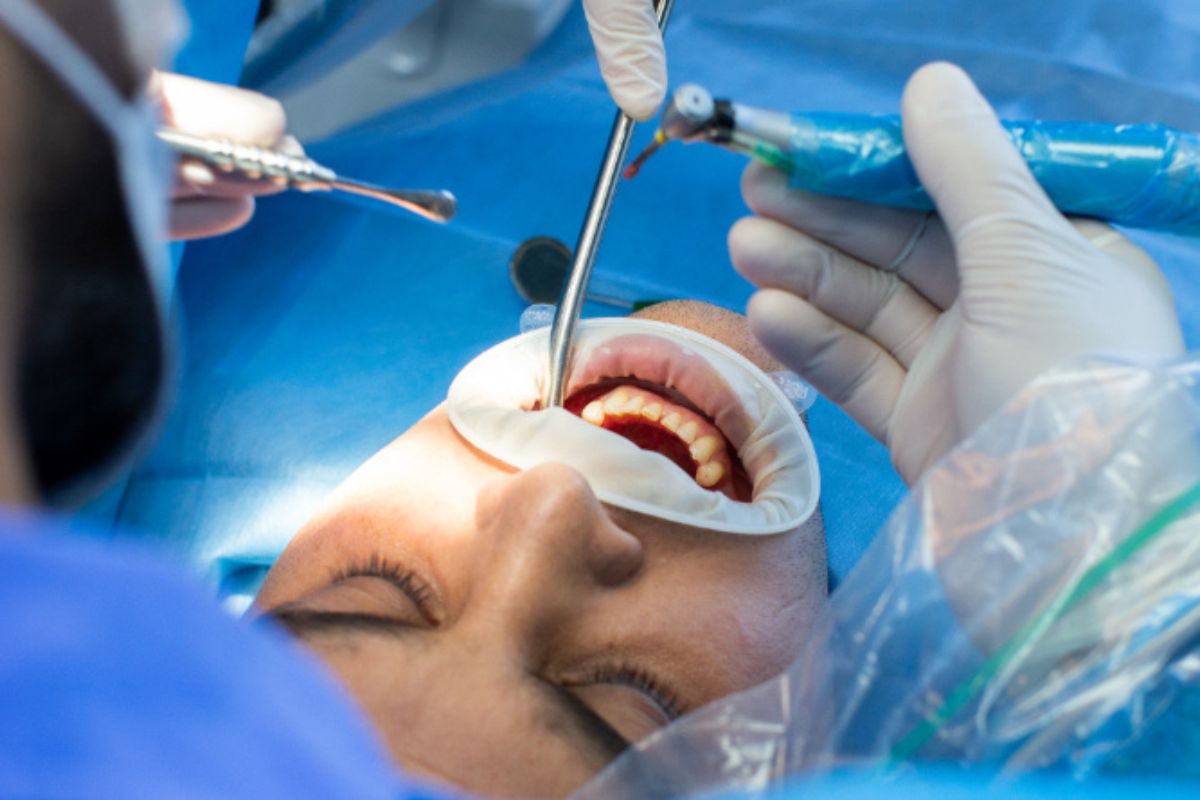
Wisdom teeth removal is a common and safe procedure performed by oral surgeons. Depending on the complexity of your case, your dentist may recommend local anesthesia, sedation, or general anesthesia for comfort. Recovery typically takes a few days, during which you’ll need to follow post-operative care instructions to ensure proper healing.
If you’re experiencing any of the signs mentioned above, don’t wait for the pain to worsen—visit our office for a consultation to determine the best course of action for your oral health.
Protect Your Oral Health with Timely Wisdom Teeth Removal
Ignoring wisdom teeth problems can lead to serious oral health complications. If you suspect your wisdom teeth are causing discomfort, swelling, or dental misalignment, seeking professional care is crucial. A skilled oral surgeon can assess your condition and recommend the best treatment option. By addressing wisdom teeth issues early, you can prevent long-term dental problems and maintain a healthy smile.
If you’re experiencing any of these warning signs, schedule an appointment today to discuss your options. Taking proactive steps now can save you from unnecessary pain and protect your overall oral health.