Good oral health is more than just having a beautiful smile. It plays a crucial role in your overall well-being. Poor oral hygiene can lead to various dental issues, such as gum disease, tooth decay, and even systemic health problems. By adopting effective oral care habits and regularly visiting a dentist, you can maintain healthy teeth and gums for a lifetime. In this blog, we will guide you through the best practices to keep your mouth in excellent condition and explain why regular dentist visits are essential.
The Basics of Daily Oral Care
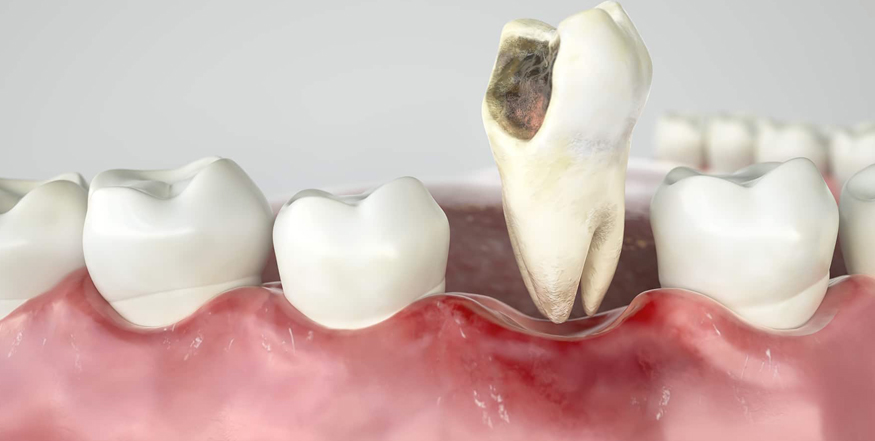
Maintaining healthy teeth and gums starts with consistent daily habits. Brushing your teeth twice a day with fluoride toothpaste and flossing regularly are essential steps in preventing plaque buildup and avoiding cavities. Plaque is a sticky film of bacteria that can form on your teeth, leading to tooth decay if not removed promptly. It’s also essential to brush your tongue, as bacteria can accumulate there too.
When brushing, make sure to use a soft-bristled toothbrush to avoid damaging your gums. Hold the toothbrush at a 45-degree angle to your gums and gently brush in circular motions. Brushing for at least two minutes will ensure that you thoroughly clean your teeth and gums. Furthermore, replace your toothbrush every three to four months, or sooner if the bristles are worn.
The Importance of Regular Flossing
Flossing plays a critical role in removing plaque and food particles from between your teeth that your toothbrush may miss. It is recommended to floss at least once a day to prevent gum disease and cavities. Flossing can be tricky for some, but with a little practice, it becomes easier. Make sure to gently slide the floss between your teeth and curve it around each tooth to remove plaque and debris.
If traditional floss is difficult to use, there are alternative tools such as floss picks, water flossers, and interdental brushes that can help. Regardless of the tool, the key is consistency. Flossing regularly helps to ensure that your teeth are free from buildup and contributes to healthier gums.
How Diet Affects Oral Health?
What you eat plays a significant role in your oral health. Foods high in sugar and acids can erode tooth enamel, making them more vulnerable to cavities. Sweets, soda, and sticky snacks can contribute to plaque buildup, leading to tooth decay. On the other hand, eating foods rich in fiber, such as fruits, vegetables, and whole grains, can help keep your teeth clean by stimulating saliva production, which naturally washes away food particles and bacteria.
Drinking plenty of water throughout the day is also crucial for maintaining oral health. Water helps rinse away food and bacteria, and staying hydrated helps your body produce enough saliva. If you drink acidic beverages like coffee, tea, or citrus juices, it’s a good idea to rinse your mouth with water afterward to neutralize acids and protect your enamel.
Why Should You Visit Our Dental Office Regularly?
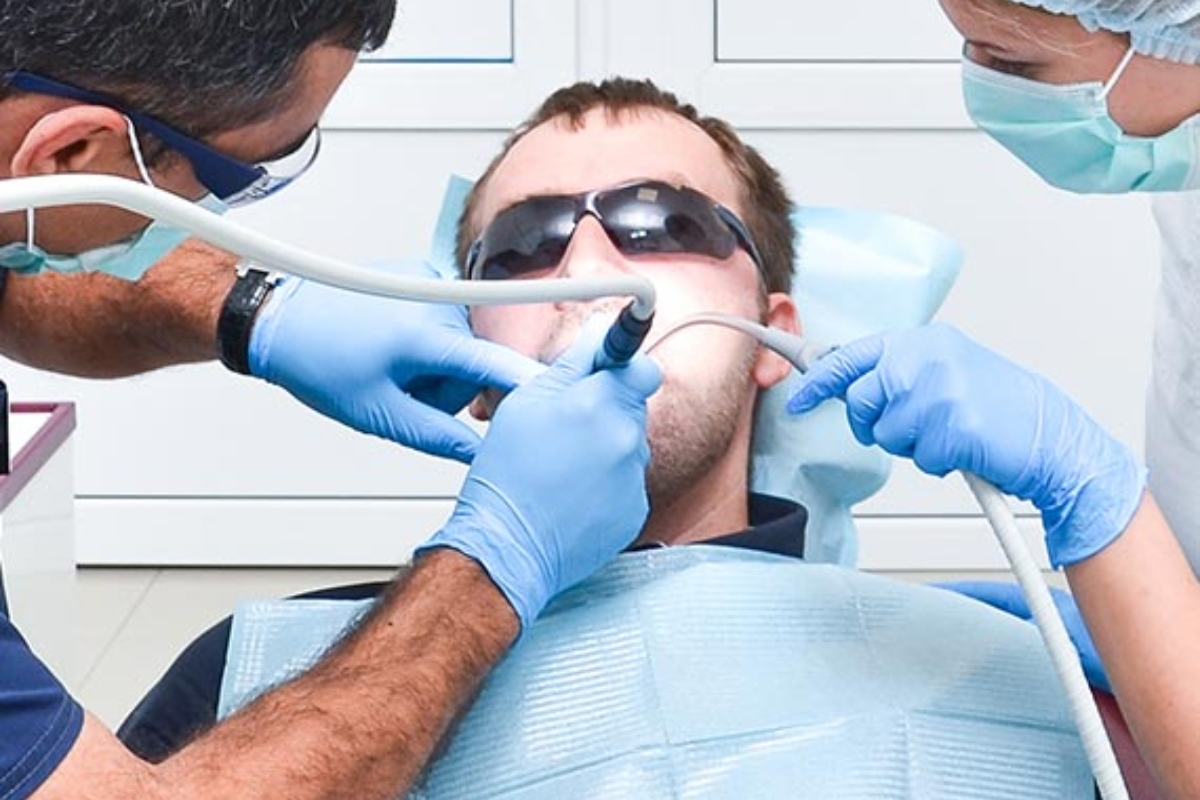
One of the most important steps in maintaining good oral health is scheduling regular checkups with your dentist. Regular visits allow them to detect issues early, such as cavities, gum disease, or oral cancer, before they become serious problems. During these visits, they will also perform professional cleanings to remove plaque and tartar buildup that may have accumulated despite your best efforts at home.
A routine dental exam typically includes an X-ray, a visual inspection of your teeth and gums, and a discussion of any issues or concerns. They may also provide personalized advice on how to improve your oral hygiene routine. If you haven’t had a dental checkup recently, don’t wait—schedule your appointment today and give your smile the care it deserves.
The Role of Prevention in Oral Health
Preventing dental problems before they occur is key to maintaining a healthy mouth. Aside from brushing, flossing, and visiting our dental office, using mouthwash can help fight bad breath, reduce plaque, and prevent gingivitis. Look for a mouthwash that contains fluoride or antibacterial agents to maximize its benefits.
Additionally, consider wearing a mouthguard if you play contact sports or grind your teeth at night. These simple preventive measures can save you from costly dental procedures and ensure that your teeth remain strong and healthy.
Conclusion
Incorporating the right habits into your daily routine and visiting your dentist regularly are the cornerstones of maintaining excellent oral health. Whether it’s brushing twice a day, flossing, making smart dietary choices, or seeking professional care, these actions work together to keep your smile in top shape. Remember, your oral health is an essential part of your overall health, so make it a priority today. If you haven’t visited our dental office recently, now is the perfect time to schedule a checkup and start taking better care of your teeth and gums.
By staying proactive and choosing to visit our dental office, you’ll enjoy a lifetime of healthy smiles and avoid many of the common dental issues people face.