The importance of dental hygiene
Ensuring proper dental hygiene is essential for your general health. Your teeth play a vital role in chewing, speaking, and confidently smiling. Neglecting dental hygiene can lead to various problems, including cavities, gum disease, and even tooth loss. Regular visits to the dentist are essential for preventive care, early detection, and timely treatment of dental issues. However, the cost of dental procedures can be a significant financial burden for many individuals.
Understanding the cost of dental procedures
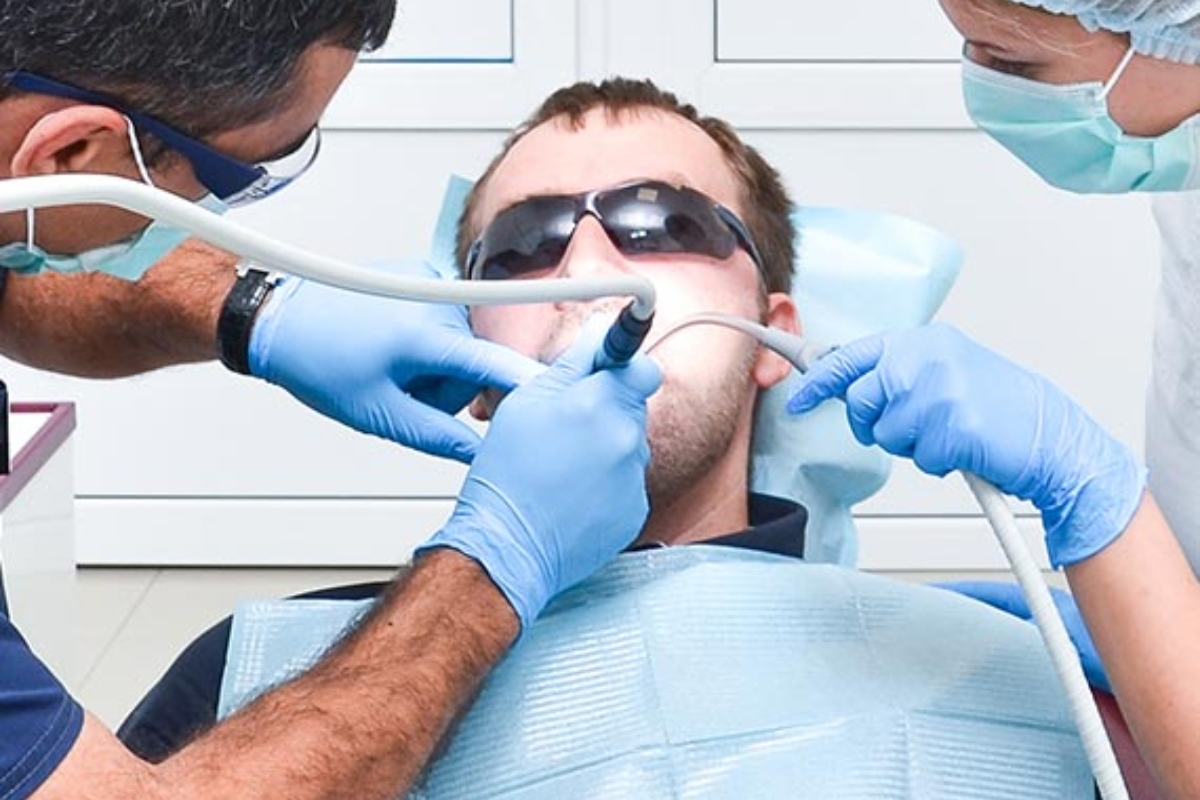
Dental procedures can be expensive, and the costs can vary depending on several factors.
These costs can quickly add up, especially if you require multiple procedures or have a family to consider. It’s essential to understand the factors contributing to the cost of dental care, such as the complexity of the procedure, the dentist’s experience, and the geographic location.
Tips for maintaining good oral health
Preventive measures are the key to maintaining good oral health and reducing the need for costly dental procedures. Here are some suggestions to assist in maintaining the health of your teeth and gums:
- Brush and floss regularly: It is recommended to brush and floss consistently, brushing your teeth two times a day using a soft-bristled toothbrush and fluoride toothpaste. Floss once daily to remove plaque and food particles between your teeth.
- Maintain a balanced diet: Consume a diet rich in fruits, vegetables, and dairy products. Reduce your consumption of sugary and acidic foods and drinks, as they can wear down tooth enamel and lead to cavities.
- Stay hydrated: Drink plenty of water throughout the day to promote saliva production, which helps neutralize acids and wash away food particles.
- Quit smoking: Smoking and tobacco use can stain your teeth, cause gum disease, and increase your risk of oral cancer.
- Visit your dentist regularly: Schedule regular dental checkups and cleanings, typically every six months, to detect and address any potential issues early on.
Preventive measures to reduce dental expenses
While maintaining good oral hygiene is essential, there are additional preventive measures you can take to reduce the likelihood of costly dental procedures:
- Dental sealants: Think about getting dental sealants, which are thin layers of plastic placed on the chewing surfaces of the molars and premolars. Sealants act as a barrier, protecting the teeth from decay-causing bacteria and food particles.
- Fluoride treatments: Fluoride assists in fortifying the outer layer of the teeth and reducing the risk of developing tooth decay. Your dentist may recommend professional fluoride treatments, especially if you have a higher risk of tooth decay.
- Mouthguards: If you play sports or grind your teeth at night (bruxism), wearing a mouthguard can protect your teeth from injury or excessive wear.
Intelligent saving strategies for dental visits
Even with preventive measures in place, dental visits may still be necessary. Here are some intelligent saving strategies to help you cut down on your dentist bill:
- Prioritize preventive care: Regular cleanings and checkups can help detect and address dental issues early, potentially saving you from more costly procedures.
- Consider dental schools: Many dental schools offer high-quality dental services at a reduced cost, as supervised dental students perform the procedures.
- Explore payment plans: Many dentists offer payment plans or financing options, allowing you to spread out the cost of dental procedures over time.
- Utilize flexible spending accounts (FSAs) or health savings accounts (HSAs): If your employer offers these accounts, you can set aside pre-tax dollars to cover eligible dental expenses.
- Seek out dental discount plans: These plans, offered by various organizations, provide discounted rates on dental services from participating providers.
Exploring dental insurance options
Dental insurance can help offset the cost of dental care, making it more affordable. Here are some options to consider:
- Employer-sponsored dental insurance: Many employers offer it as part of their benefits package. Review the coverage and costs to determine if it fits your needs well.
- Individual dental insurance: If your employer doesn’t offer dental insurance, you can purchase a separate plan from various providers. Compare plans and premiums to find the best coverage for your budget.
- Dental discount plans: While not technically insurance, dental discount plans offer discounted rates on dental services from participating providers for an annual or monthly fee.
- Government-sponsored programs: Depending on your income level and location, you may qualify for government-sponsored dental programs, such as Medicaid or state-specific programs.
Negotiating with your dentist for lower costs
While dentists must cover operational costs and earn a living, many are willing to work with patients to make dental care more affordable. Here are some tips for negotiating with your dentist for lower costs:
- Be upfront about your financial situation: Explain your budget constraints and ask if discounts or payment plans are available.
- Inquire about cash discounts: Some dentists offer discounts for patients who pay in cash or upfront for their services.
- Consider alternative treatment options: Ask your dentist if there are more affordable treatment options that can achieve similar results.
- Request a breakdown of costs: Ask for an itemized list of the expenses for each procedure so you can better understand where your money is going.
Seeking out affordable dental clinics
Affordable dental clinics or community health centers may be available in some areas. These clinics often offer dental services at reduced rates based on your income level. Here are some tips for finding affordable dental clinics:
- Check with local dental schools: As mentioned earlier, many dental schools offer low-cost services performed by supervised students.
- Research community health centers: These centers provide primary care services, including dental care, on a sliding fee scale based on your income.
- Explore non-profit organizations: Some offer underserved communities free or low-cost dental services.
- Inquire about dental clinics at local colleges or universities: Some colleges and universities have on-campus dental clinics that provide discounted services to students and the community.
Utilizing discount programs and coupons
Various discount programs and coupons can help you save money on dental services. Here are some options to explore:
- Dental discount plans: These plans, offered by organizations like DentalPlans.com or Careington, provide discounted rates on dental services from participating providers for an annual or monthly fee.
- Coupon websites: Websites like Groupon and LivingSocial often feature discounted deals for dental services in your area.
- Dental practice websites: Some dental practices offer coupons or special offers on their websites or through email newsletters.
- Local deals and promotions: Look for local deals and promotions from dental practices in your area, which may be advertised in newspapers, flyers, or online.
Conclusion: Taking charge of your dental health and finances
Taking care of your oral hygiene is crucial for your general health. Still, the cost of dental care can be a significant financial burden. You can take charge of your dental health and finances by implementing preventive measures, exploring affordable options, and utilizing innovative saving strategies.
Remember, investing in your oral health today can prevent more costly and complicated dental procedures in the future. By being proactive and making informed decisions, you can prioritize dental care while managing your expenses effectively.
If you are looking to reduce the costs of dental care:
- Consider exploring dental discount plans or seeking affordable dental clinics in your area.
- Don’t let the cost of dental care deter you from maintaining good oral health.
- Take charge of your dental health and finances today by implementing the strategies outlined in this article.