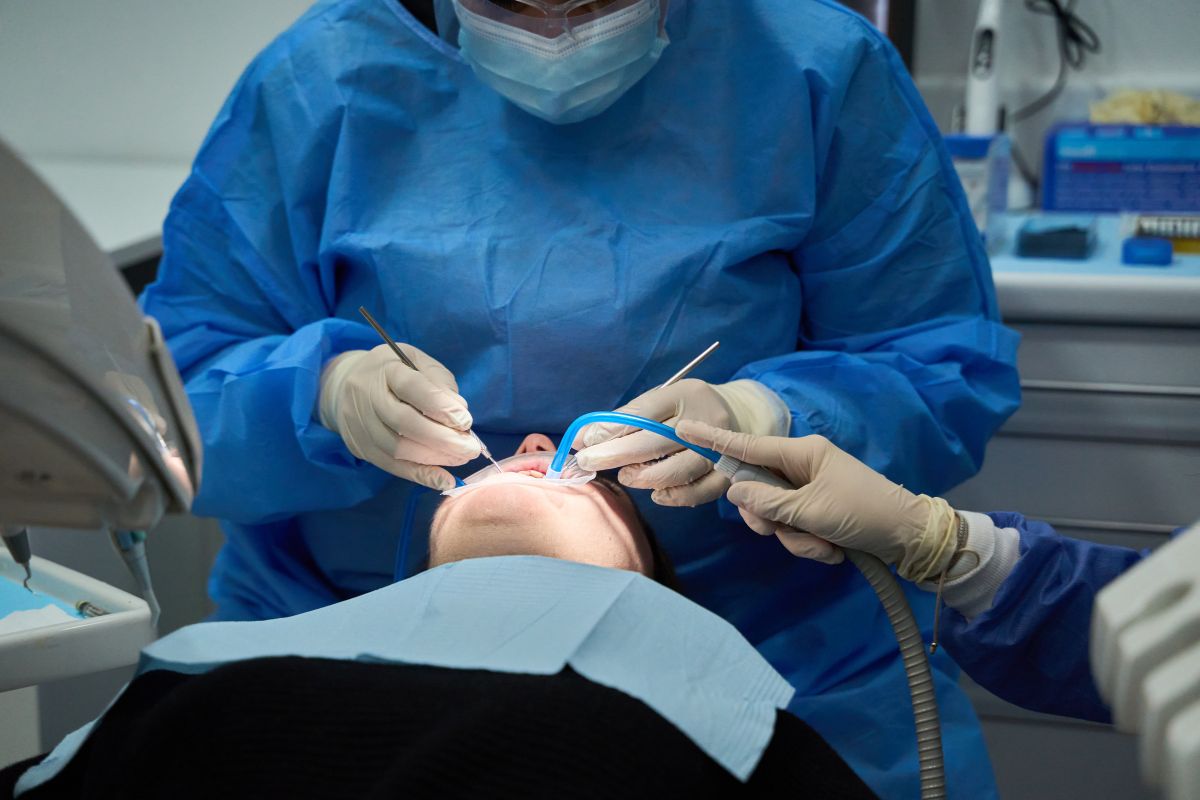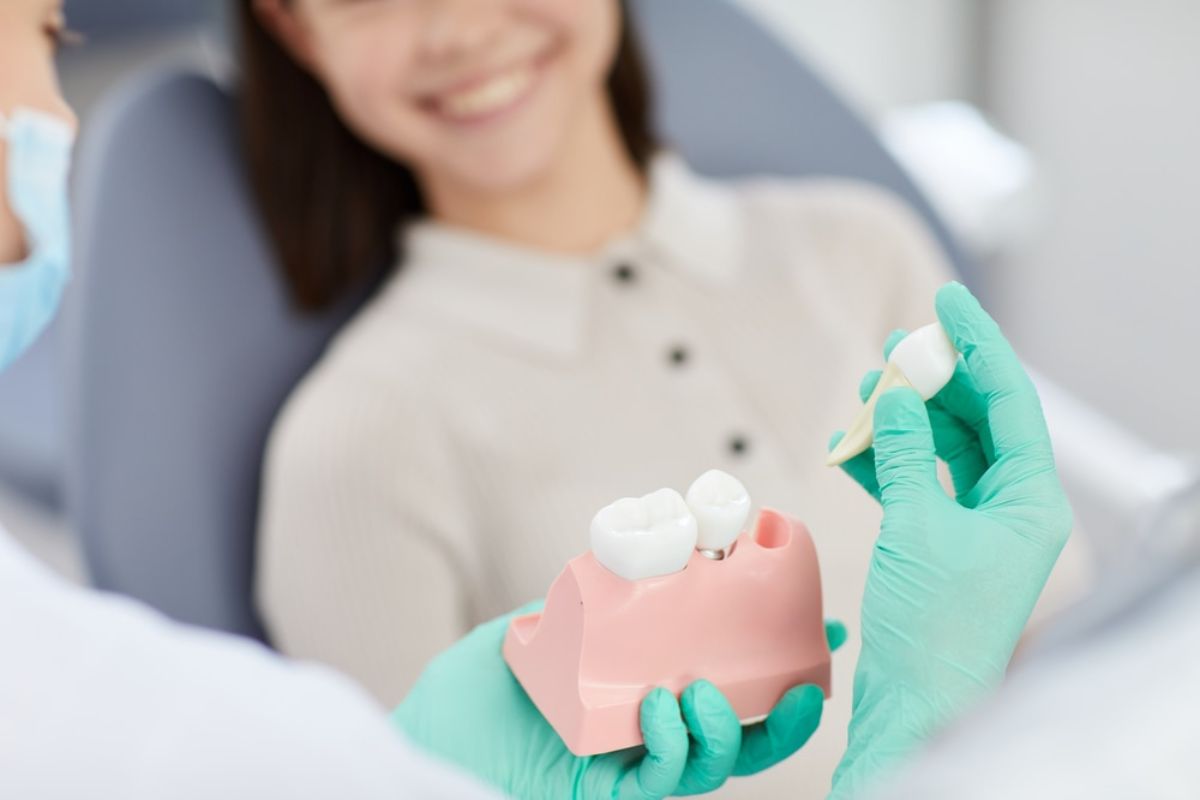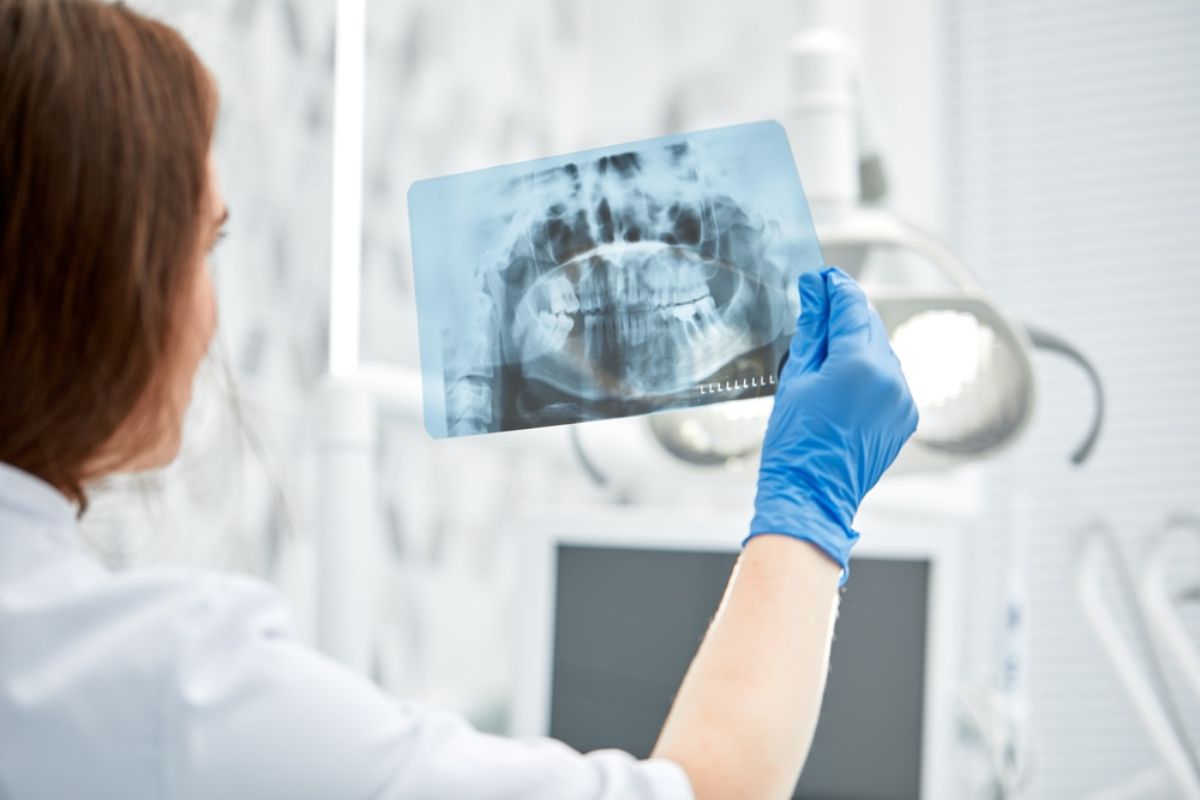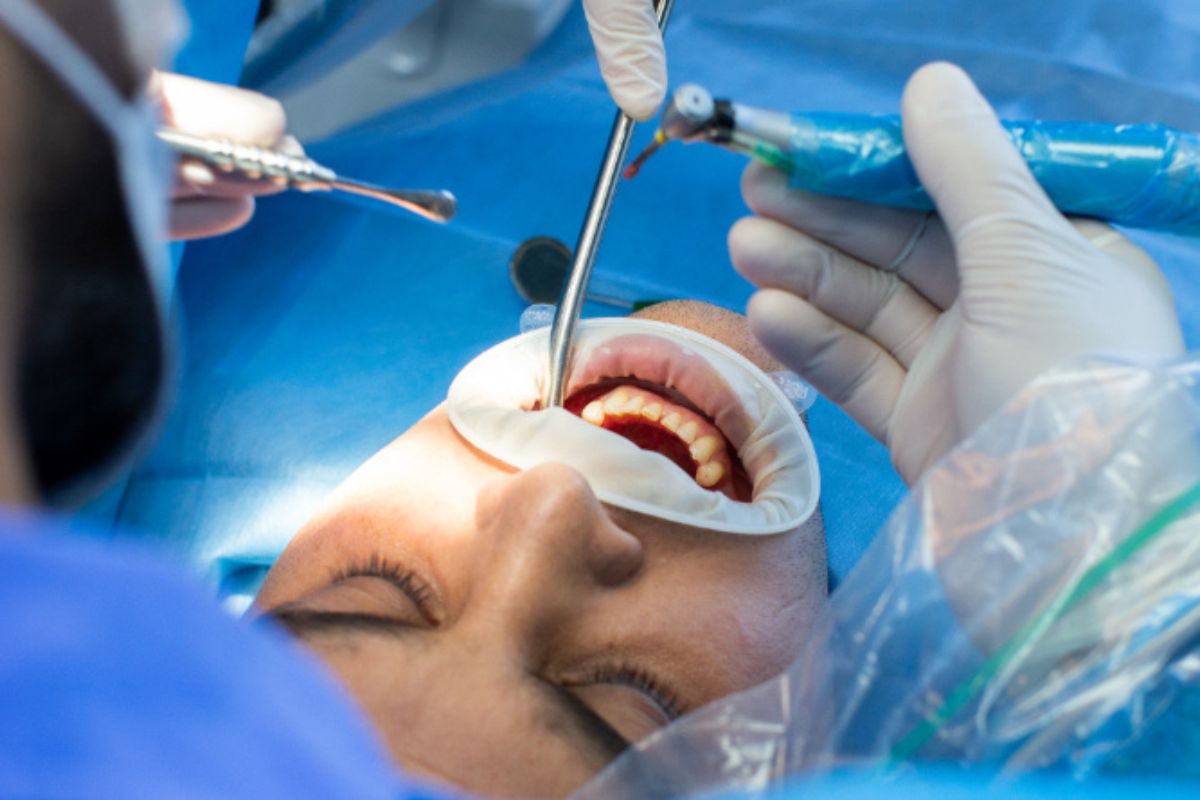
Oral surgery can be a daunting experience, especially when you start thinking about the recovery process and how it will affect your daily life, particularly your eating habits. If you’ve recently had or are planning to undergo Oral Surgery in Falcon, it’s natural to wonder about your diet post-surgery. The Dental Specialty Center of Falcon is dedicated to providing comprehensive care and ensuring a smooth recovery for all their patients. This blog will guide you through what to expect and offer valuable diet tips to aid your healing.
Understanding the Recovery Process
Initial Recovery Phase
Your mouth will be susceptible in the first 24 to 48 hours after Oral Surgery, and you’ll need to take extra care with your consumption. This period is crucial for minimizing swelling and avoiding complications. Your diet should consist of liquids and very soft foods to prevent irritation at the surgical site.
Gradual Transition to Solid Foods
As the days progress, you can slowly start incorporating more substantial foods into your diet. The key is to listen to your body and avoid anything that causes discomfort. Over the next week or two, you should be able to return to a more normal diet, but this process will vary for each individual.
Diet Tips for a Smooth Recovery
Immediate Post-Surgery Diet
Liquids and Smooth Foods
Right after your oral surgery, stick to liquids and smooth foods. Here are some excellent options:
- Water and Clear Broths: Staying hydrated is vital. Opt for clear liquids that are gentle on your mouth.
- Smoothies and Shakes: Ensure they are not too cold, and avoid using a straw, which can dislodge blood clots and impede healing.
- Pureed Soups: These provide nutrition without requiring chewing.
Video Source: DentaVacation
Soft Foods to Transition
As you begin to feel more comfortable, you can introduce soft, easy-to-chew foods:
Foods to Avoid
To ensure a smooth recovery, certain foods should be avoided as they can irritate the surgical area or cause complications:
- Spicy and Acidic Foods: These can cause irritation and pain at the surgical site.
- Crunchy and Hard Foods: Items like nuts, chips, and raw vegetables can get stuck in the wound or cause injury.
- Hot Foods and Beverages: Hot temperatures can increase swelling and discomfort.
Long-Term Considerations
Gradual Reintroduction of Regular Foods
After the initial healing phase, you can reintroduce more regular foods into your diet. However, it’s essential to do this gradually. Start with softer versions of your regular meals and slowly work your way back to your usual diet.
Nutritional Balance
Ensuring you get a balanced diet during your recovery is essential. Focus on foods rich in vitamins and minerals that promote healing, such as:
- Protein-Rich Foods: Helps in tissue repair and recovery.
- Fruits and Vegetables: Soft, cooked options are best to avoid irritation.
- Whole Grains: These can be incorporated once you feel comfortable chewing more solid foods.
Consult with Your Dental Specialist
Every individual’s recovery process is unique. After having an Oral Surgery in Falcon, it’s essential to follow the specific dietary recommendations provided by your oral surgeon at The Dental Specialty Center of Falcon. If you have concerns or experience any issues during your recovery, don’t hesitate to contact your dental care provider.
Recovering from Oral Surgery can seem challenging, especially regarding your diet. However, with the right approach and patience, you can eat normally again. Following the diet tips outlined in this blog and listening to your body can ensure a smooth and speedy recovery.
The Dental Specialty Center of Falcon is here to support you every step of the way, providing expert care and guidance to help you get back to your everyday eating habits as soon as possible.